
 0
0
 0
0
By Denise Kyalwahi
BUTEMBO, Democratic Republic of Congo — Shortages of water, soap and handwashing facilities are complicating Ebola prevention efforts in several schools in North Kivu’s Education Province 2, as the 2026-2027 school year begins amid an ongoing Ebola outbreak and insecurity in eastern Democratic Republic of Congo.
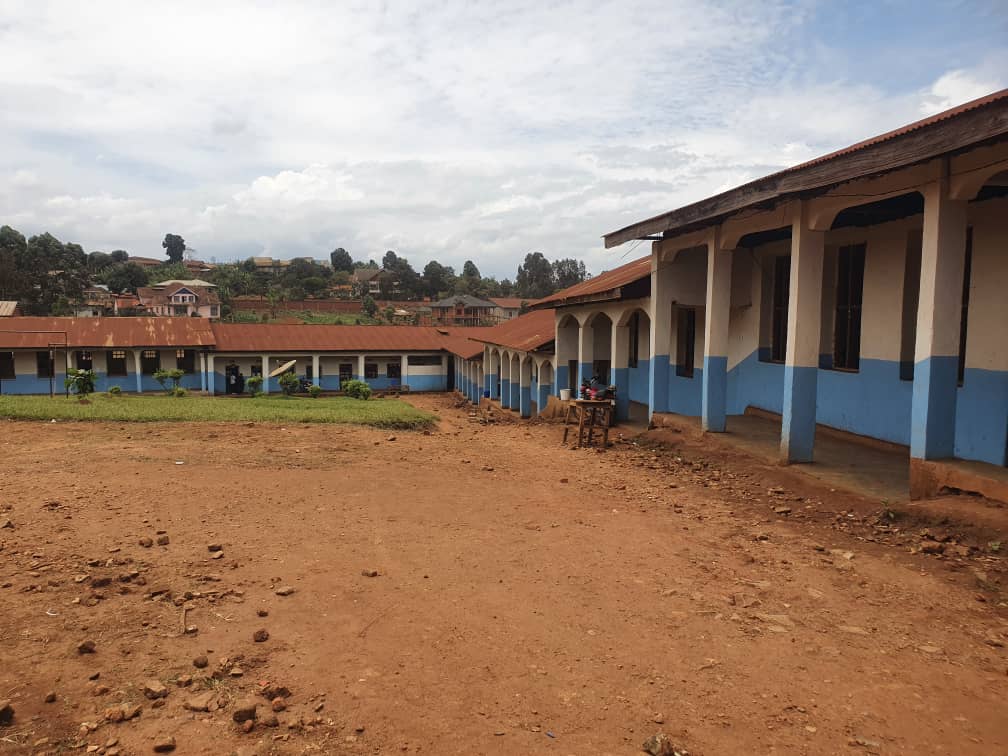
In Butembo, students, parents and school officials interviewed for this report described difficulties in accessing adequate hygiene equipment. The situation is particularly concerning in schools with large numbers of pupils, where maintaining basic infection-prevention measures can be challenging.
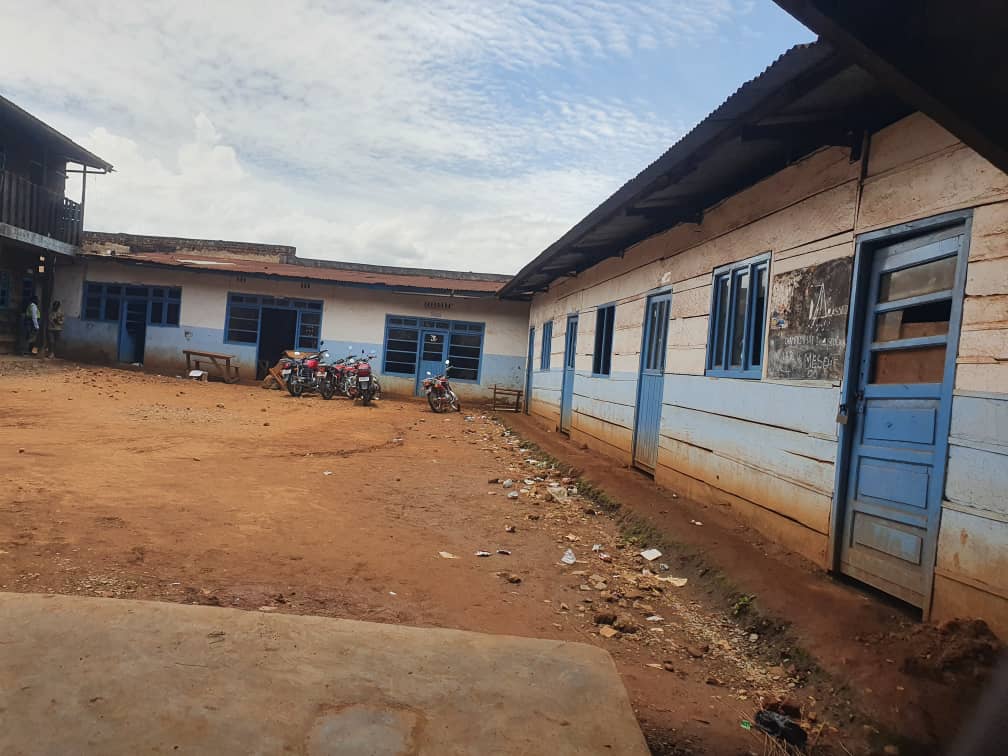
At Alfajiri School Complex in Kimemi commune, only one handwashing facility was visible near the school administration office during a visit. At Kavale Primary School, another facility was being used by both students and teachers.
Several schools along Avenue des Écoles have some handwashing facilities, but school officials reported difficulties securing a regular supply of water. At Mwenge Primary School, the available equipment was considered insufficient for the number of pupils enrolled, while no infrared thermometer, commonly known as a thermoflash, was available, according to observations gathered on site.
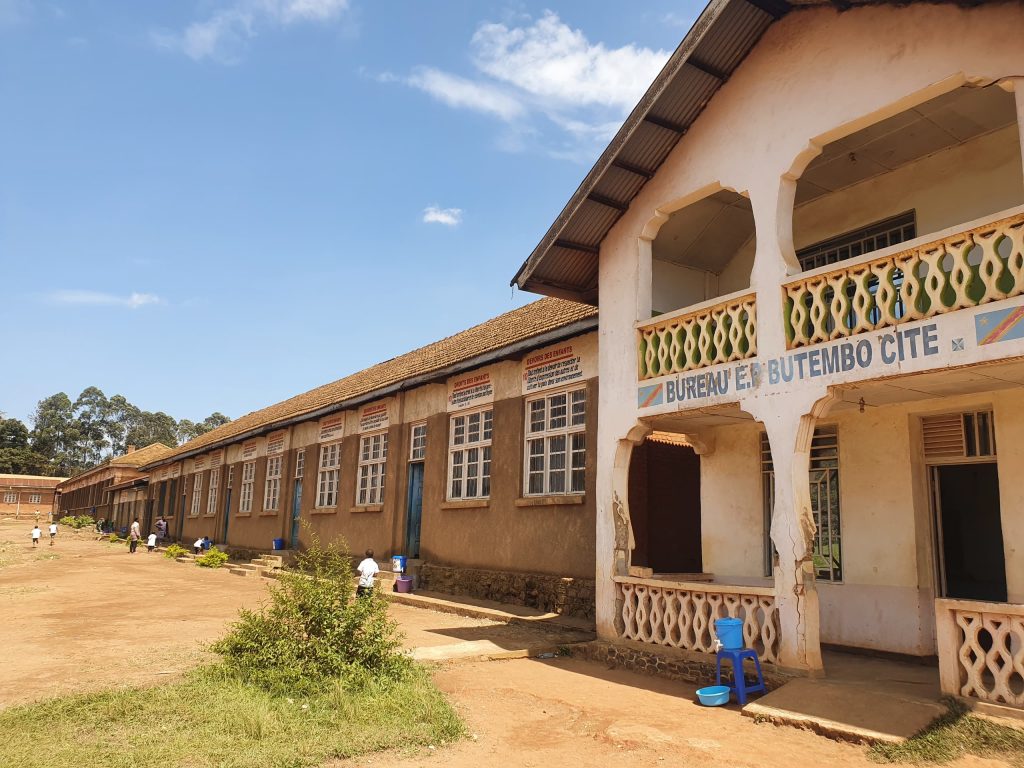
Some school administrators said they had used part of their operating funds to purchase handwashing facilities. Others said that although they had previously received handwashing units, they lacked sufficient water and soap to keep them operational.
The problem predates the current school year. Days before classes resumed, students in Butembo called on authorities and partners to strengthen sanitation infrastructure in schools, particularly access to water and adequate toilets. Teachers’ unions in Beni, Butembo and Lubero also called for stronger health and hygiene measures ahead of the reopening of schools.
“Some schools do not even have a bucket”
Katembo Joël Ngunza, honorary president of Butembo’s Children’s Parliament, said he was concerned about hygiene conditions in some schools.
“The reality in some schools is really deplorable. Since the school year began, some schools do not even have a bucket or a sink, let alone water and soap to comply with Ebola prevention measures,” he said.
He also stressed that installing equipment is not enough if pupils are not regularly taught how and when to use it.
“In places where kits are available, we see that some children do not wash their hands before entering classrooms. This may be linked to a lack of awareness or a lack of interest in prevention measures,” he added.
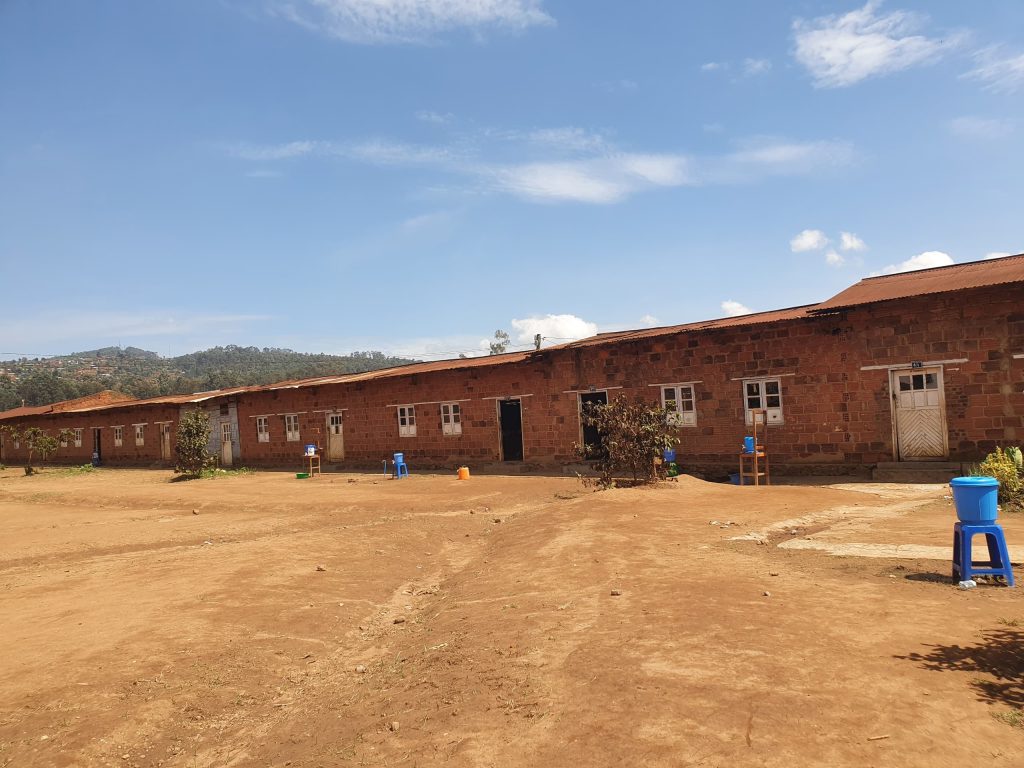
At Katsya Institute, at least three handwashing facilities have been installed in the school compound and near the administration office. However, no thermoflash was available, according to information collected for this report. Similar needs have been reported at Butembo’s Agricultural and Veterinary Technical Institute (ITAV).
In Beni territory, Kebikeba Institute, which has 21 classrooms, has five handwashing facilities and two thermoflash devices in use. School officials have called for greater self-reliance by schools while waiting for possible external assistance.
This approach is supported by Byamaka Alimasi, head of Kebikeba Institute, and Faustin Fuaka Maliyabwana, head of Mbau Institute.
An Ebola outbreak putting pressure on schools
The situation comes as the DRC faces a significant Ebola outbreak. According to the World Health Organization, as of September 7, 2026, 61 health zones across six provinces had been affected, with 6,757 confirmed cases and 3,267 deaths reported in the country.
The WHO has warned that delays in detecting cases can contribute to transmission within households, communities and healthcare facilities.
In North Kivu, the health response is also taking place against a backdrop of population movements and insecurity, which can complicate disease surveillance and access to affected communities.
The Ministry of Education and New Citizenship announced a differentiated approach to the 2026-2027 school year based on risk levels: face-to-face classes with preventive measures in green zones, strengthened health measures in orange zones, and distance learning in red, high-risk areas.
On September 11, the North Kivu 2 education authorities also reminded school officials in several sub-divisions, including Butembo 1 and Butembo 2, of the need to equip schools with handwashing facilities and thermoflash devices, as well as alcohol-based hand sanitizer where available.
Security, water and child protection
For Oswald Mumbere, president of the Anti-Gang Movement and a parent, the current situation requires increased vigilance in schools located in areas affected by the outbreak.
“My concern is that the disease could spread rapidly, particularly in schools. Children are a vulnerable population and may find it difficult to consistently follow all prevention measures,” he said.
He called for stronger awareness campaigns targeting pupils, parents and teachers, improved contact tracing, epidemiological surveillance and better working conditions for personnel involved in the Ebola response.
He also called for regular risk assessments in each health zone before decisions are made about maintaining school activities.
In areas where the health risk is particularly high, he said temporary measures could be considered to protect children.
Water remains critical to prevention
Beyond the availability of handwashing facilities, regular access to water remains a key element of Ebola prevention.
A handwashing station installed at a school has limited value if there is no water or soap to operate it on a daily basis.
With some schools in Butembo hosting hundreds of pupils, school officials and parents fear that shortages of equipment, water and awareness could undermine prevention efforts.
Those interviewed for this report say an effective response should combine reliable access to water, functioning handwashing stations, soap, health monitoring, awareness campaigns and support for schools.
For them, the priority remains enabling children to continue their education while reducing health risks inside schools and in the wider communities they serve.


