
 0
 0
From Tanzania to Antalya: Nile Basin Initiative strengthens cooperation on wetlands for climate action
Denise Kyalwahi
Ahead of COP31 in Antalya, Türkiye, the Nile Basin Initiative (NBI) brought together Burundi, Rwanda, Tanzania and Uganda in Dar es Salaam to discuss wetland conservation and climate finance. The preparatory consultations focused on turning scientific knowledge about transboundary ecosystems into investments for their conservation and restoration.
Wetland protection is increasingly becoming a key priority in Africa’s climate cooperation efforts. Just days before the 31st United Nations Climate Change Conference (COP31), taking place from 9 to 20 November 2026 in Antalya, Türkiye, four Nile Basin countries strengthened their collaboration on peatland conservation and the sustainable management of shared ecosystems.
From 4 to 6 November, representatives of Burundi, Rwanda, Tanzania and Uganda met in Dar es Salaam, Tanzania, for consultations organised by the Nile Basin Initiative (NBI), through its Nile Equatorial Lakes Subsidiary Action Program Coordination Unit (NELSAP-CU).
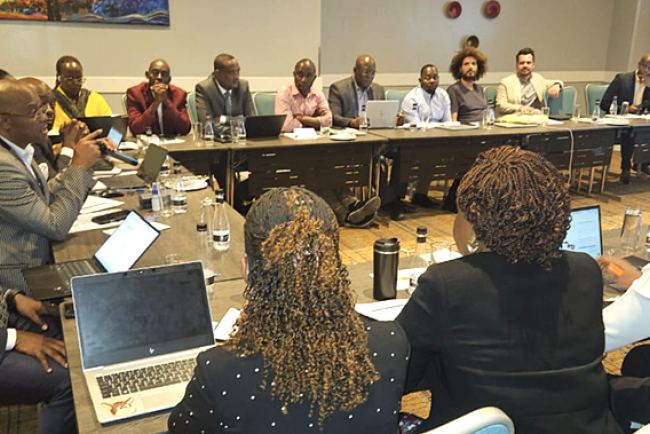
The meetings also brought together regional institutions and development partners. Discussions focused on the PEAT-WISE climate investment concept for the Kagera Basin and Tanzania’s ongoing efforts to secure Ramsar Site designation for the Minziro Forest Reserve.
Supported by the German development cooperation agency GIZ, the consultations are part of broader efforts to make wetland conservation a driver of climate action and sustainable development.
PEAT-WISE: Turning peatland knowledge into climate investment
At the centre of the discussions was the PEAT-WISE initiative, which seeks to mobilise climate finance for the conservation, restoration and climate resilience of transboundary peatlands in the Kagera Basin.
On 4 and 5 November, representatives from the four countries reviewed and validated a revised concept note for the initiative. This followed feedback from the Green Climate Fund (GCF), which called for stronger national ownership, broader stakeholder participation and further project refinement before resubmission.
The four countries reviewed and validated their responses to the GCF’s recommendations. These responses are expected to be submitted to the Fund to support continued dialogue and the next stages of project development.
The initiative builds on technical work undertaken by NELSAP-CU with support from GIZ through the DIAPOL-CE project. This work has generated knowledge on peatland extent, carbon stocks, ecosystem services, degradation drivers and opportunities for sustainable management.
The transboundary landscape of Sango Bay and Minziro is among the ecosystems covered by these efforts.
Peatlands: Natural allies in the fight against climate change
Although peatlands cover only around 3% of the world’s land surface, they store nearly twice as much carbon as all the world’s forests. Their protection is therefore essential to limiting greenhouse gas emissions.
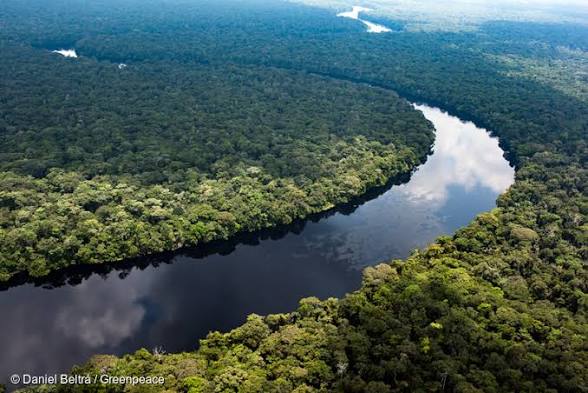
These ecosystems also perform several important functions. They regulate water flows, help reduce flood risks, support biodiversity and sustain the livelihoods of surrounding communities.
However, peatlands face growing pressure from agricultural drainage, peat extraction and infrastructure development.
In Uganda and Rwanda, these activities contribute to ecosystem degradation and the loss of essential ecological functions.
For the countries of the Kagera Basin, the challenge is to reconcile development needs with the protection of these natural carbon reservoirs.
Restoring peatlands can therefore deliver multiple benefits, including climate change mitigation and adaptation, water security, biodiversity conservation and sustainable livelihoods.
Tanzania moves Minziro closer to international recognition
Alongside discussions on PEAT-WISE, Tanzania is continuing the process of seeking Ramsar Site designation for the Minziro Forest Reserve, an international recognition granted to wetlands of international importance.
During consultations held on 6 November, stakeholders reviewed progress made since the process began in 2023 under the coordination of NELSAP-CU. They also identified the remaining technical and institutional requirements and agreed on a roadmap to complete the designation process.
Located in northwestern Tanzania, near the Ugandan border, the Minziro Forest Reserve forms part of a wider transboundary ecological landscape that includes Sango Bay in Uganda.
The area is ecologically significant. It provides habitat for migratory birds, contributes to carbon storage and supports local livelihoods.
Agriculture, forest products, grazing and ecotourism are important economic activities for communities living around the ecosystem.
“Minziro is not just a biodiversity hotspot; it is a lifeline for neighbouring communities,” said Eng. Nestor Niyonzima, Executive Director of the Nile Basin Initiative.
However, deforestation, encroachment and changing climatic conditions are placing increasing pressure on the landscape and the people who depend on it.
Ramsar recognition could strengthen its international visibility, support conservation efforts and create further opportunities for sustainable financing.
Bringing communities into wetland conservation
The Nile Basin Initiative’s approach goes beyond securing international recognition for wetlands. It also seeks to strengthen local communities’ participation in their management.
With support from GIZ and Wetlands International, NBI has developed a transboundary wetland management plan for the Sango Bay–Minziro landscape. The plan aims to identify the main drivers of degradation, promote sustainable land and water use, involve communities in conservation and strengthen cooperation between Tanzania and Uganda.
This approach forms part of a broader regional strategy. Updated in 2022, the Nile Basin Initiative’s Wetlands Management Strategy promotes sustainable wetland management through improved scientific knowledge, cooperative management, stronger institutional capacity and resource mobilisation.
Other transboundary wetland landscapes, including Sio-Siteko and the Semliki Delta, have also benefited from these efforts.
The work has extended to the Sudd in South Sudan, where studies have focused on baseline data, hydrological modelling, economic assessments and the links between peatlands, climate change, policy and climate finance.
In addition, the partnership between NBI and the Ramsar Regional Centre for Eastern Africa (RAMCEA) supports knowledge development, regional dialogue, capacity building, resource mobilisation and the preparation of joint projects.
Why this matters for the Democratic Republic of the Congo
As a member of the Nile Basin Initiative, the Democratic Republic of the Congo (DRC) is also concerned by regional efforts to protect shared water resources and ecosystems.
Lake Albert and Lake Edward, together with their associated rivers and wetlands, are important ecosystems for biodiversity, fisheries and the livelihoods of surrounding communities.
The experience in the Kagera Basin highlights the importance of cooperation between countries, stronger scientific knowledge and appropriate financing mechanisms in protecting transboundary ecosystems.
For the DRC, these regional initiatives also offer opportunities to exchange experiences and promote joint approaches to biodiversity conservation, water management and climate resilience.
From Dar es Salaam to Antalya: The challenge of climate finance
As COP31 takes place in Antalya under the banner of implementing climate commitments, the consultations in Tanzania highlight a major challenge facing African countries: moving beyond strategies and declarations towards investments that deliver tangible results on the ground.
The validation of the PEAT-WISE concept note and progress towards Ramsar recognition for Minziro demonstrate how regional cooperation can bring together biodiversity conservation, climate adaptation and climate finance mobilisation.
For Nile Basin countries, the next challenge is to translate these initiatives into concrete action, ensure meaningful community participation and mobilise the resources needed to protect wetlands over the long term.
Source: Nile Basin Initiative (NBI), July–September 2026 Quarterly Newsletter, with additional information on the Dar es Salaam consultations held from 4 to 6 November 2026.


