
 0
 0
Protecting water resources requires a vision that goes beyond rivers alone. Governance, water quality, forest conservation, sustainable financing and community participation must be addressed together to strengthen ecosystem resilience in the face of climate change and growing human pressures.
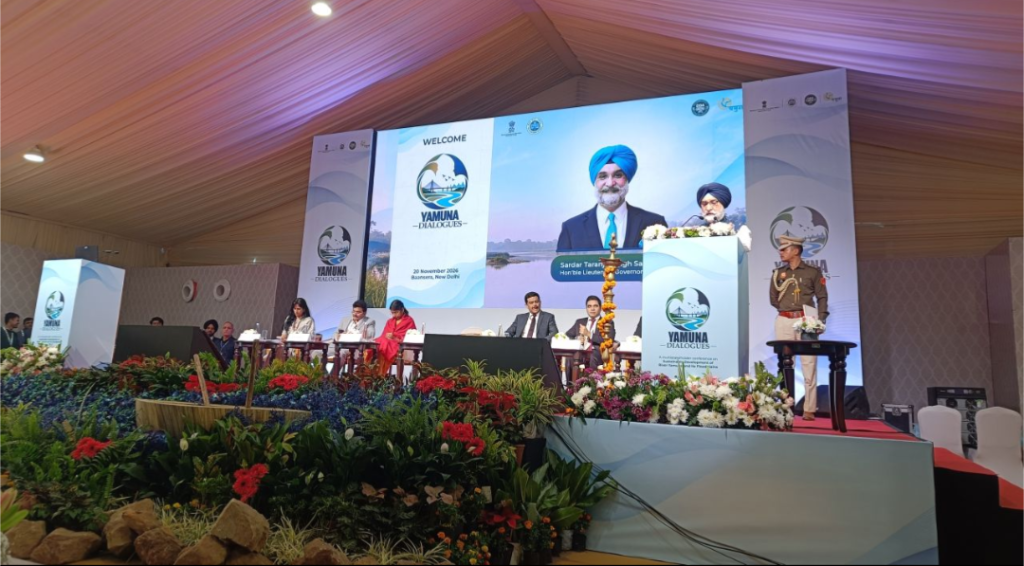
River restoration cannot be effective if it is addressed separately from other environmental components. This is one of the key messages highlighted by Anham Salyani, Technical Specialist for Watersheds and Nature at the United Nations Environment Programme (UNEP), following discussions at the Yamuna Dialogue on the future of river management and restoration.
In a recent post, Salyani emphasized the interconnectedness of forests, rivers, floodplains, coastal ecosystems and water infrastructure. According to his analysis, water resources and terrestrial ecosystems form a single interconnected system whose health largely depends on decisions related to planning, management and governance.
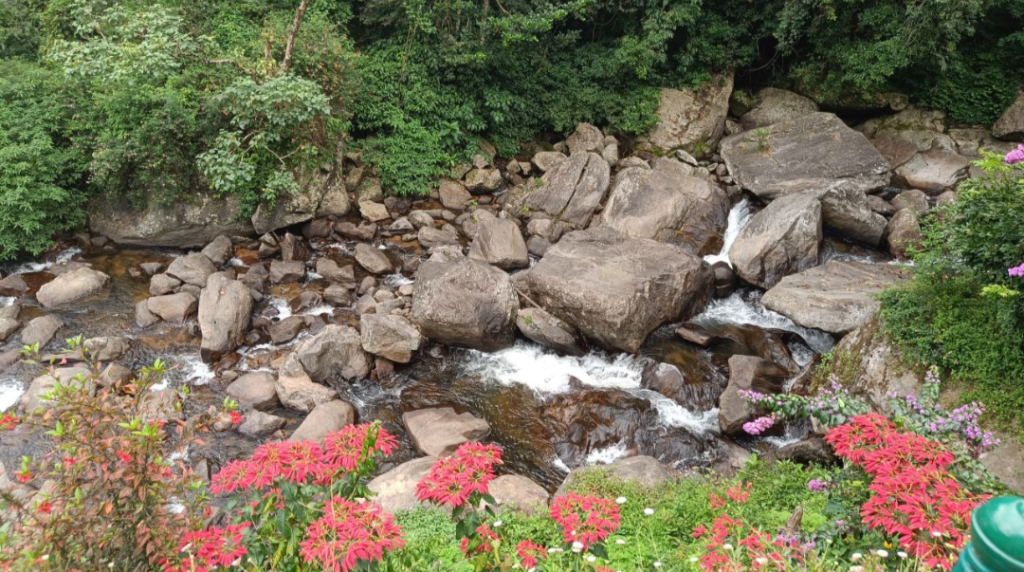
His recent exploration of different parts of southern India offered an opportunity to observe the connections between rivers, waterfalls, forests, reservoirs, coastal ecosystems and protected landscapes. He noted that water infrastructure developed decades ago continues to support cities, livelihoods and economies, while natural ecosystems provide invaluable environmental and social benefits.
Six key pillars for sustainable river restoration
The Yamuna Dialogue highlighted several strategic areas for improving river management.
These include governance mechanisms, floodplain planning, ecological measures, water quality improvement, drainage management and sustainable financing models.
Discussions also addressed the relationship between rivers and the development of ghats, traditional spaces and structures along riverbanks, as well as the role of emerging technologies, research and innovation in restoration policies.
For Salyani, the real strength of these different approaches lies in how they are brought together. River management should therefore not be reduced to isolated interventions but incorporated into a broader strategy for integrated watershed management.
Forests influence water availability and quality. Floodplains help reduce flood risks while supporting biodiversity. Rivers sustain communities, livelihoods and cultural practices. Coastal ecosystems, meanwhile, are also affected by activities taking place far upstream.
This interdependence calls for stronger coordination between environmental policies, public institutions, scientists, financial partners and local communities.
Lessons for countries in the Congo Basin
This perspective is particularly relevant to countries in the Congo Basin, especially the Democratic Republic of the Congo (DRC), which possesses considerable water and forest resources.
The Congo River, its tributaries, lakes, wetlands and forests are strategic assets for communities, biodiversity and economic development. However, water pollution, watershed degradation, uncontrolled urbanization and climate change pressures are increasingly threatening these ecosystems.
The approach advocated by the UNEP specialist highlights the need to move beyond occasional river clean-up campaigns and water treatment initiatives to address the underlying causes of environmental degradation.
This requires strengthening watershed planning, improving sanitation and drainage systems, protecting forests that contribute to water regulation and ensuring that local communities participate in decisions affecting their environment.
Financing also remains a critical issue. Without sustainable financial mechanisms adapted to local needs, restoration policies risk remaining limited to short-term projects.
Moving beyond sector-by-sector interventions
Salyani argues that growing pressures from urbanization, climate change and increasing water demand make a new approach to water resource management essential.
The main challenge, in his view, is no longer simply understanding the individual components of healthy river systems, but bringing them together within a shared vision.
His reflections raise an important question for policymakers and environmental stakeholders: Are current policies effectively connecting governance, ecological protection, water quality, financing, technology and communities within a single strategy?
For countries facing growing threats to their water resources, this integrated approach is a reminder that protecting a river also means protecting the wider landscape and ecosystems that sustain it.


