
 0
 0
By Denise Kyalwahi
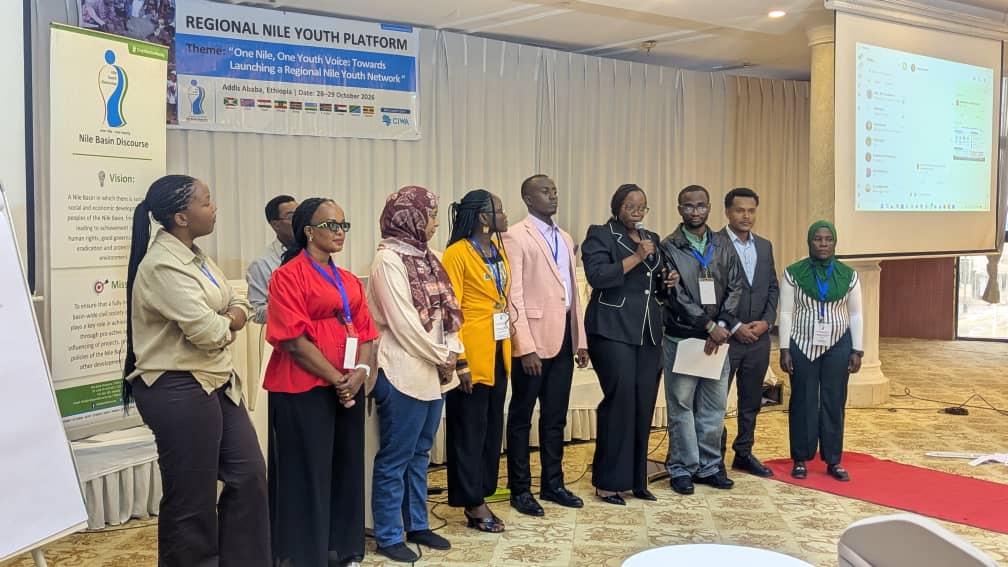
The Regional Nile Youth Forum concluded on Thursday, 29 October 2026, in Ethiopia, with young participants developing proposals around six priority themes, including water cooperation, diplomacy, climate resilience and green entrepreneurship. The forum ended with the election of four principal office bearers and six additional members of the Regional Nile Youth Network (RNYN).
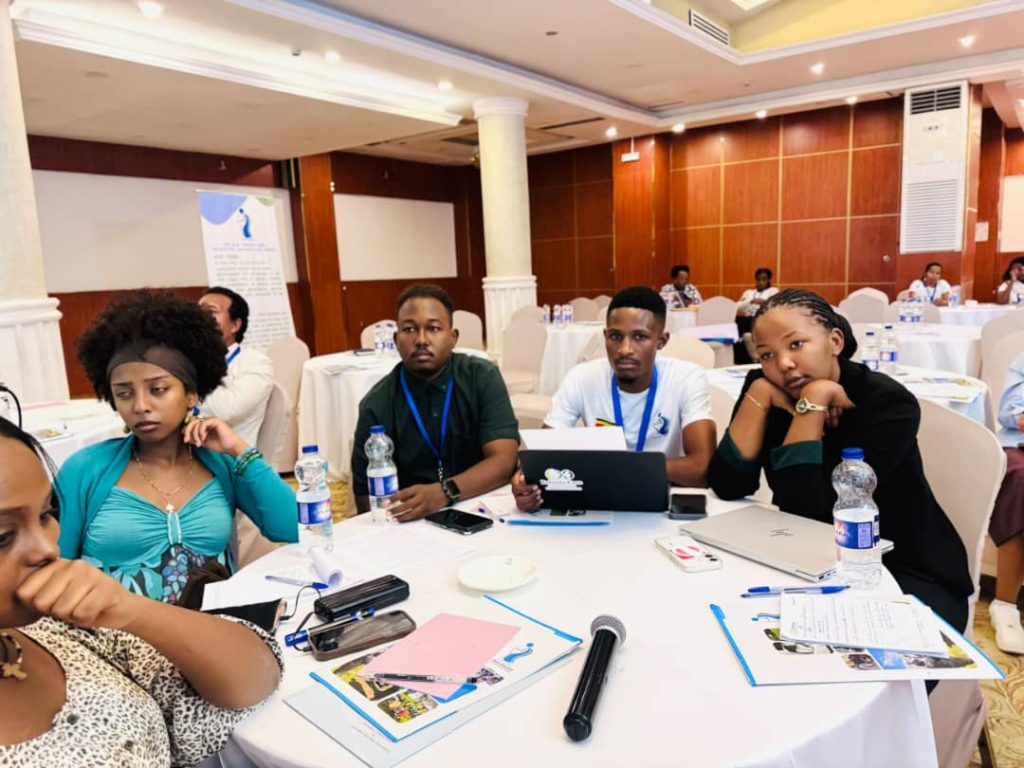
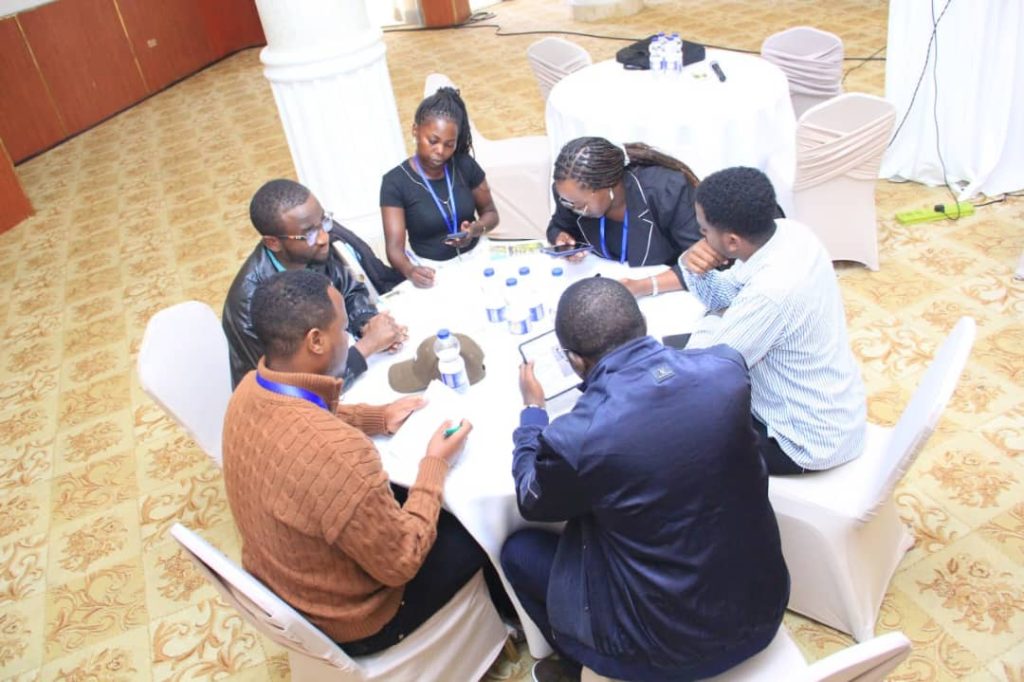
Young participants at the Regional Nile Youth Forum focused their discussions on finding common solutions to challenges related to water management, peacebuilding and sustainable development across the Nile Basin countries.
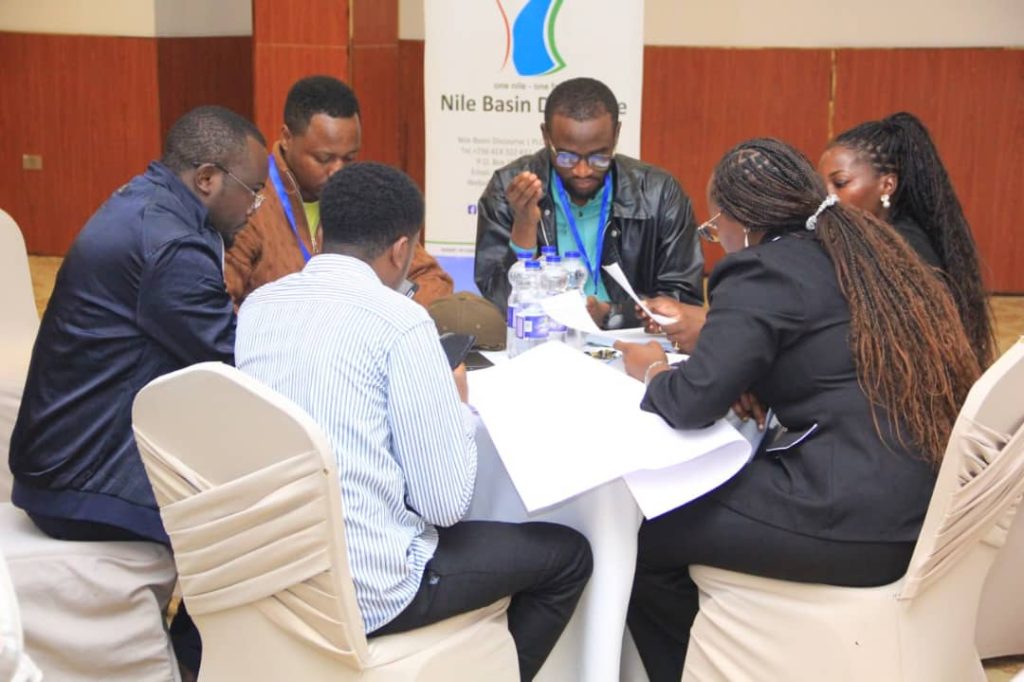
Working in different discussion groups, they explored six main thematic areas: water cooperation; diplomacy and peacebuilding; climate resilience; innovation and green jobs; youth voice and advocacy; and partnerships and financing.
The discussions were facilitated by Ms Hayat Nuredin, PhD in Water Sciences at the University of Ethiopia.
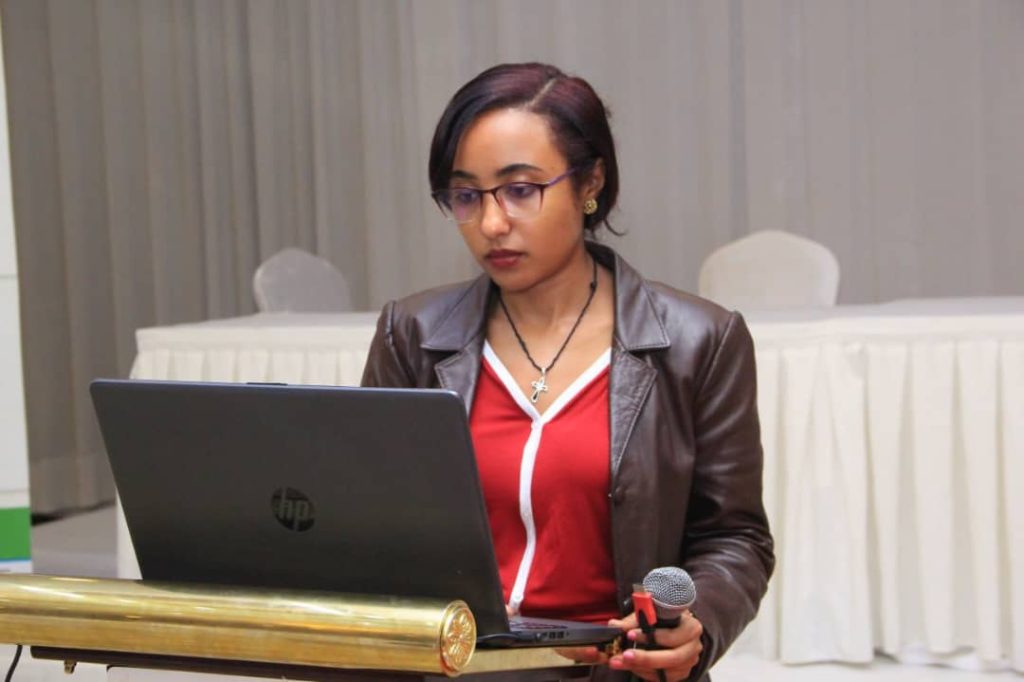
These six themes provide a shared framework for strengthening cooperation among young people across the Nile Basin, identifying common challenges and translating their priorities into practical activities with measurable results.
From water cooperation to green job creation
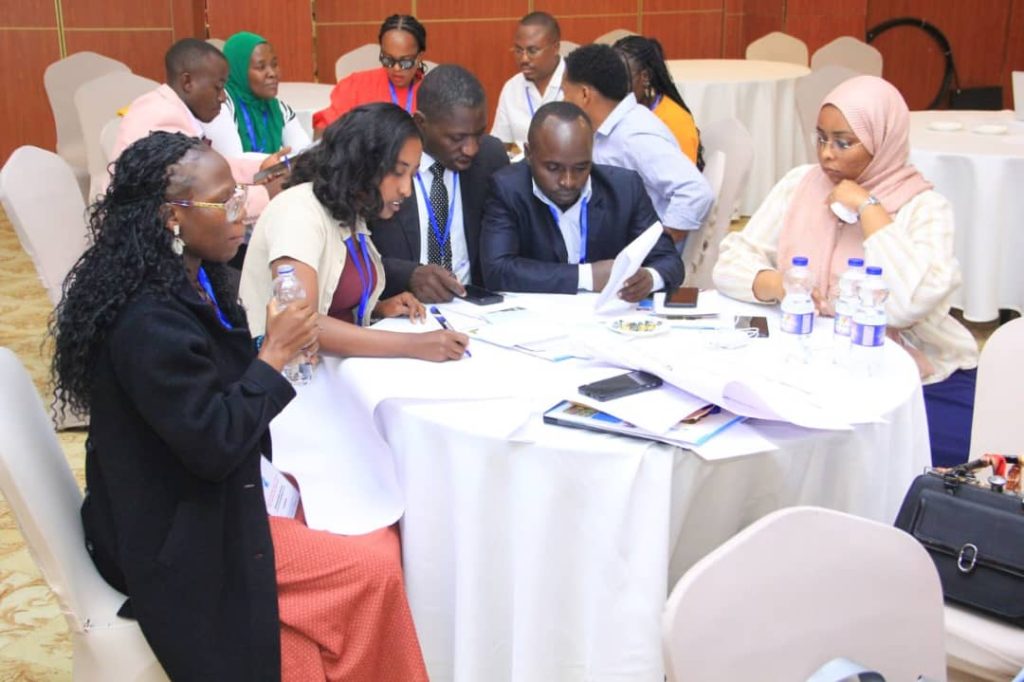
On transboundary water cooperation, participants emphasised the importance of strengthening youth participation in dialogue and decision-making concerning water resources shared by Nile Basin countries. They highlighted the need for young people to contribute to water governance and knowledge-sharing among communities.
Water diplomacy and peacebuilding also featured prominently in the discussions. Participants explored how dialogue, negotiation and cooperation between neighbouring countries could help prevent and peacefully resolve disputes related to shared water resources.
Climate resilience and environmental sustainability formed another key area of discussion. Proposed actions focused on addressing climate change, droughts, floods, water-related risks, pollution and ecosystem degradation, with particular attention to sustainable water management.
On innovation and green jobs, participants proposed strengthening young people’s entrepreneurial skills, supporting environmentally responsible businesses and promoting activities such as sustainable agriculture, renewable energy and water conservation.
The discussions also highlighted the need to strengthen youth voices in policymaking and regional decision-making. Participants called for greater consideration of young people’s priorities in initiatives shaping the future of the Nile Basin.
Finally, discussions on partnerships and financing focused on mobilising financial and technical resources and building collaborations with governments, universities, civil society organisations, regional institutions and the private sector.
Turning discussions into practical action
Beyond exchanging ideas, the groups presented proposals aimed at translating the six thematic priorities into practical initiatives.
These included training young people in water diplomacy and conflict resolution, establishing regional networks of green entrepreneurs, developing mentorship programmes and organising awareness-raising activities in communities and schools.
One group proposed a Nile Youth-Led Water Quality Monitoring Programme to train young people in basic water monitoring and testing techniques, identify potential sources of pollution and raise community awareness about water safety and environmental protection.
The proposed programme would involve collecting and sharing data, identifying monitoring sites and conducting joint awareness campaigns. Its implementation would require training, equipment, technical assistance from researchers and experts, and financial resources.
Other proposals focused on strengthening young women’s leadership and participation in decisions concerning water and the environment. Participants also highlighted the potential of environmentally sustainable businesses to create jobs and promote economic empowerment.
They further emphasised the importance of working with public institutions, regional organisations, universities and technical and financial partners to ensure the continuity of the proposed initiatives.
Four office bearers elected alongside six additional members
The conclusion of the forum also marked an important step in strengthening the leadership and coordination of the Regional Nile Youth Network.
According to the announced results, four principal positions were filled:
- Chairperson: Alice William Kaijsge, Tanzania — 14 points.
- Vice-Chairperson: Henry Rowland Otieno, Kenya — 15 points.
- Secretary: Mary Pony Eresto, South Sudan — 22 points.
- Treasurer: Lisa, Rwanda — 17 points.
Six additional members from different countries will also serve on the regional network: Charline from Burundi, Maya from Egypt, Biruk from Ethiopia, Anelka from the Democratic Republic of the Congo (DRC), Amna from Sudan, and Noeline from Uganda.
They are expected to take on responsibilities in thematic clusters, advocacy coordination, communications coordination, and monitoring and evaluation.
The specific responsibilities of these six members will be announced at the network’s next meeting. This will clarify their respective roles in implementing the priorities established during the forum.
NBD reaffirms its commitment to supporting young people
In his closing remarks, Dr Aseffa Seyoum, PhD, Regional Manager of the Nile Basin Discourse (NBD), encouraged young people to maintain their commitment to regional cooperation and sustainable water resource management.
He reaffirmed NBD’s willingness to support youth-led initiatives through training, capacity-building and the provision of tools and resources needed to advance their projects.
The forum concluded in an atmosphere of joy, sharing and mutual trust, with participants expressing their willingness to continue collaborating beyond the meeting.
Through these discussions, the Regional Nile Youth Network aims to turn young people’s shared priorities into practical action for water cooperation, environmental protection and peacebuilding across the Nile Basin.


