
 0
 0
By Denise Kyalwahi
In Beni, in North Kivu Province, an entrepreneurial initiative is turning to locally available resources to address the problem of plastic pollution. Origene Kasambya, a young entrepreneur and researcher, is developing biodegradable bags made from banana fibres. Although the innovation is still at the prototype stage, it already carries a twofold ambition: protecting the environment and promoting local production in the Democratic Republic of the Congo.
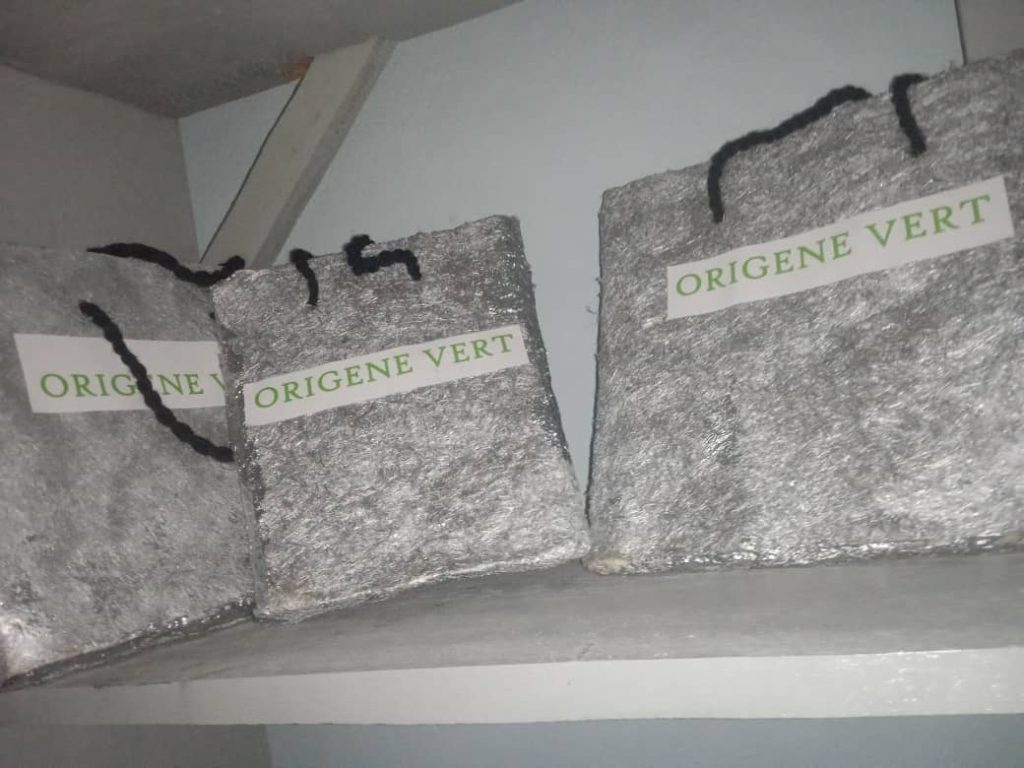
From Banana Stems to an Alternative to Plastic
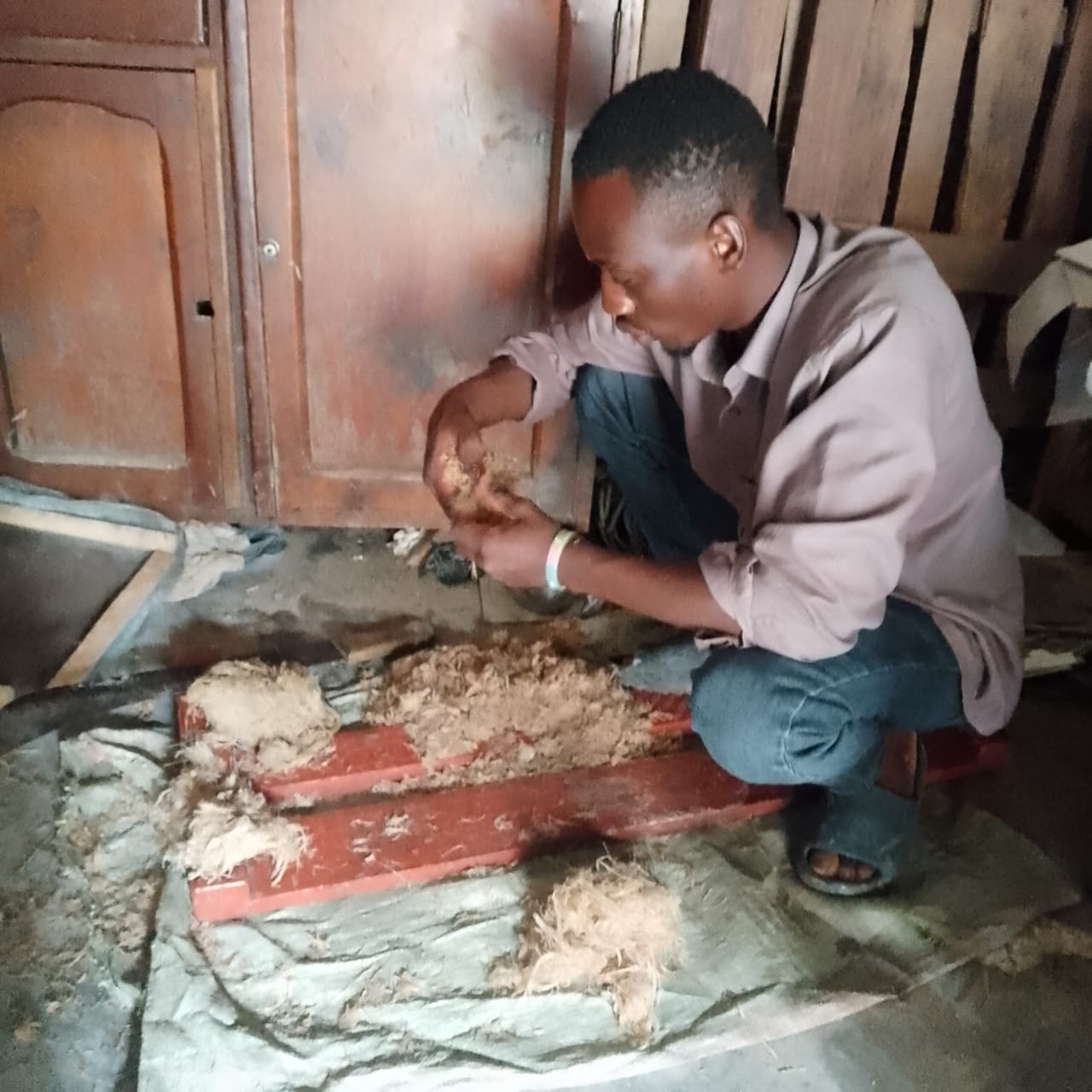
After bananas are harvested, their stems are generally abandoned as agricultural waste. Yet this plant material represents a resource that can be recovered and put to productive use. It is this potential that inspired Origene Kasambya to develop biodegradable bags.
“After observing the environment, we established this business to find environmentally friendly solutions. After banana harvesting, the banana stem was considered waste. Today, we are giving it a new value by using it to manufacture biodegradable bags,” explains the young entrepreneur.
However, the project is still in its early stages. The first satisfactory results have only recently been achieved following several months of research and experimentation. The bags are therefore not yet commercially available.
“Our bags are not yet on sale. We are still at the prototype stage. We have been working on this project for several months, and it is only in the past few days that we have obtained a satisfactory result,” says Origene Kasambya.
An Innovation with Environmental and Economic Potential
Beyond the recovery of agricultural waste, this initiative could open up new prospects in the fight against plastic pollution. Plastic packaging, widely used in commercial and household activities, is a major source of waste in Congolese cities.
The local production of biodegradable alternatives could also help reduce the country’s dependence on imported products and create new economic opportunities through the processing of agricultural resources.
For environmental journalist Juvenal Bulemo, this invention deserves particular attention from public authorities.
“If the government supports this young entrepreneur, it could reduce foreign currency outflows and redirect investment towards more targeted initiatives. It would also be a way of promoting local innovation and youth entrepreneurship. I remain convinced that our country’s industrialisation will begin in the East,” he says.
Supporting Innovation to Create Opportunities in the East
To move from the prototype stage to larger-scale production, Origene Kasambya is seeking support from the government and well-wishers. His ambition goes beyond manufacturing bags. He also hopes to turn this activity into a source of employment, particularly for unemployed young people.
In a region facing insecurity and unemployment, he believes that supporting young people through economic initiatives can help provide them with opportunities and steer them away from armed groups.
Origene Kasambya’s experience is a reminder that the provinces of eastern DRC are not merely territories marked by conflict. They are also centres of creativity, research and innovation, where young people are striving to address the challenges facing their communities using the resources available to them.
At a time when the DRC is promoting its ambition to become a “Solution Country” in addressing climate and environmental challenges, this initiative originating in Beni deserves support and further assessment. Its success will depend, in particular, on its ability to move from the prototype stage to viable, affordable and sustainable production.
In eastern DRC, there is more than war. There are also ideas, talents and innovations that deserve the opportunity to grow.


