
 0
 0
By Emmanuel Kasereka bin Vikingi
The protection of bees could soon benefit from a specific legal framework in South Kivu through a proposed provincial edict promoted by stakeholders committed to beekeeping and environmental conservation. The initiative aims to strengthen the protection of these insects, whose role in pollination directly contributes to food production, biodiversity conservation and the balance of ecosystems. The information was provided to naturelcd.net’s editorial team by the initiators of the initiative, who want to make bee protection an environmental and agricultural priority in the province.
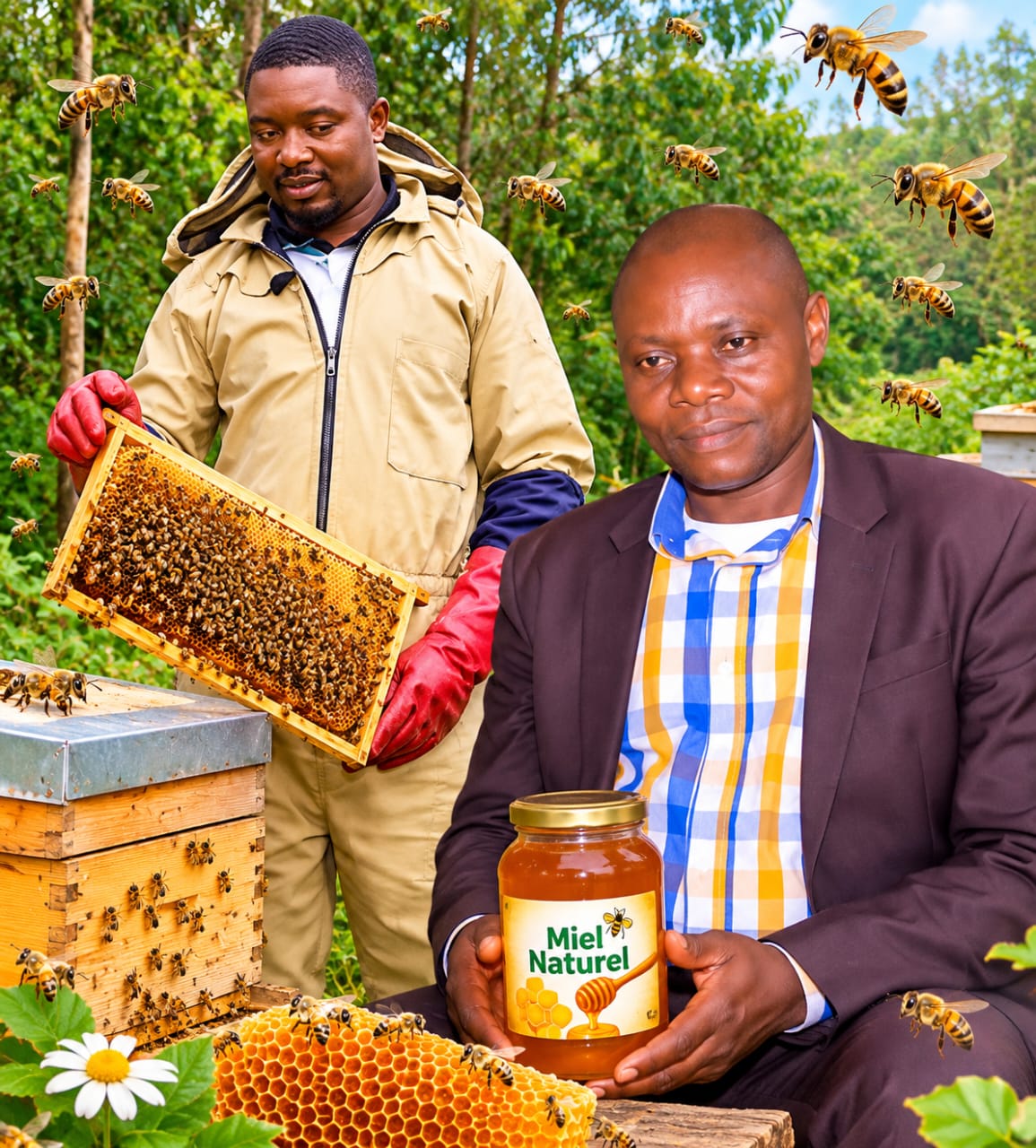
In the Democratic Republic of the Congo, bees remain exposed to several threats, including certain agricultural and pastoral practices, as well as human activities driven by a lack of awareness of their ecological importance. These pressures are compounded by the absence of a sufficiently specific legal framework dedicated to their protection. Yet the gradual decline of pollinators could have consequences extending far beyond the insect world, affecting the reproduction of many plant species, the availability of certain food products and the livelihoods of communities that depend on agriculture.
In response to this situation, several organisations, including Monde d’Abeilles and the Pact for Beekeeping and Agroecology (PACAF ASBL), together with beekeepers and environmental advocates, have mobilised around an advocacy initiative aimed at protecting bees. Their efforts seek to raise awareness among decision-makers and local communities about the need to safeguard these insects, which are essential to life. Following several years of awareness-raising and mobilisation, beekeeping organisations in South Kivu have welcomed the commitment of provincial deputy Nestor Balyana, elected representative of Kalehe Territory, whom they describe as the province’s first “Bee Ambassador” because of his involvement in the proposed edict.
The initiators are now calling on members of the South Kivu Provincial Assembly to support and vote overwhelmingly in favour of the proposed text, with the aim of providing the province with a legal instrument to strengthen the protection of bees and other pollinating insects. Beyond recognising their ecological importance, the adoption of such an edict could help regulate practices that threaten these species and encourage more environmentally responsible agricultural activities. However, the initiative remains at the preparation and advocacy stage, and its adoption will depend on examination and approval by the Provincial Assembly.
In their statement, the promoters of the initiative also expressed their gratitude to Dieu Merci Mahano, Me Zozo Sakali, Professor Bakenga, Prince Musemakweli and the beekeepers of South Kivu for their contributions to the drafting and promotion of the proposed edict. This mobilisation highlights the importance of collective action involving beekeeping professionals, civil society organisations, scientists and public officials. Protecting bees is not merely a matter of nature conservation; it is also closely linked to food security, family livelihoods and the resilience of rural communities.
The initiators have also appealed to technical and financial partners, particularly those working in food security, environmental protection, sustainable agriculture and climate resilience, to support organisations involved in the beekeeping sector. Such assistance could strengthen their capacities and support communities whose livelihoods depend on this activity. This support could also help reconcile economic development priorities with the preservation of natural resources at a time when ecological balance is facing increasing pressure.
Through this initiative, beekeeping stakeholders in South Kivu are reminding the public that protecting bees also means safeguarding the conditions necessary for human life and the well-being of future generations. Their message captures this concern in a striking phrase: “When bees disappear, humans face hunger.” The challenge now is to turn this mobilisation into concrete legal progress and ensure effective implementation on the ground, so that the protection of pollinators becomes a shared responsibility among authorities, producers and the wider community.


