
 0
 0
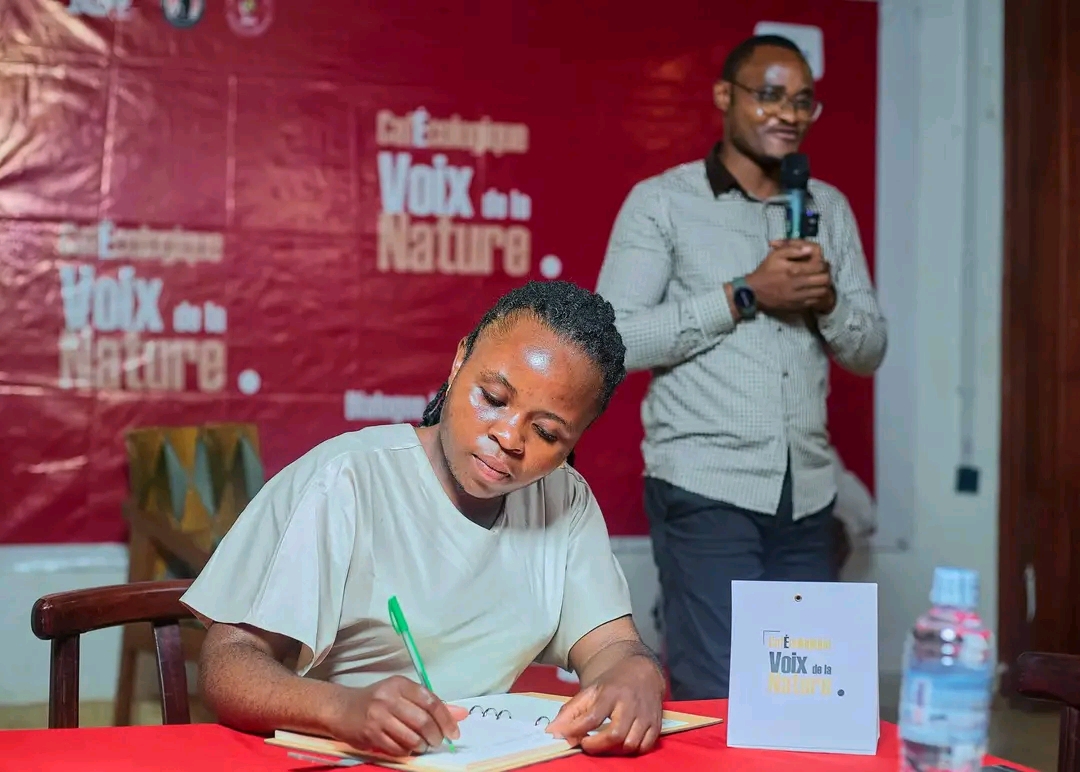
North Kivu offers several opportunities that remain to be fully developed. In Beni and Butembo, organic waste from markets, food scraps, coffee husks and cocoa shells could be converted into compost to improve soil fertility. Sawdust, dry leaves and cardboard could be used to produce environmentally friendly fuel briquettes, potentially reducing dependence on wood fuel and easing pressure on forest resources, particularly those of Virunga National Park. Plastic waste could also supply local processing facilities producing eco-friendly paving blocks, roofing tiles and urban furniture. In addition, strengthening and modernising repair workshops for electronic devices, motorcycles and agricultural equipment could create further economic opportunities. These initiatives could bring environmental protection closer to people’s everyday concerns, particularly employment and household income.
However, turning this potential into reality remains a considerable challenge. The lack of organised waste separation and collection systems, inadequate infrastructure, limited access to funding and difficulties faced by small entrepreneurs in obtaining microcredit continue to hinder the development of such initiatives. Gaps in technical training and public awareness also prevent many people from recognising the economic value of waste and the opportunities associated with its transformation. Added to these challenges is the social stigma surrounding waste recovery and processing activities, which are still sometimes perceived as degrading rather than legitimate business ventures. To overcome these barriers, Lydie Kawalina Sadiki calls for coordinated action, including public incentives for green businesses, greater consideration of the circular economy in the budgets of decentralised territorial entities, its integration into school and university curricula, and stronger support for research focused on solutions suited to local realities.
Ultimately, the issue goes far beyond finding better ways to manage waste. It is about building an economic model in which environmental protection, job creation and community empowerment advance together. “The circular economy is an opportunity to create your own wealth while protecting your land,” says Lydie Kawalina Sadiki, encouraging women and young people in particular to seize the opportunities offered by resources already available in their surroundings. This article draws on an exclusive interview granted by the researcher to our colleagues at LaFortuneRDC.net, whose journalistic work the editorial team of naturelcd.net acknowledges and recognises as the source material for this report. Her analysis highlights an essential conviction: what is considered waste today can become a valuable resource tomorrow, provided that the necessary knowledge, resources and collective commitment are brought together.


