
 0
0
 0
0

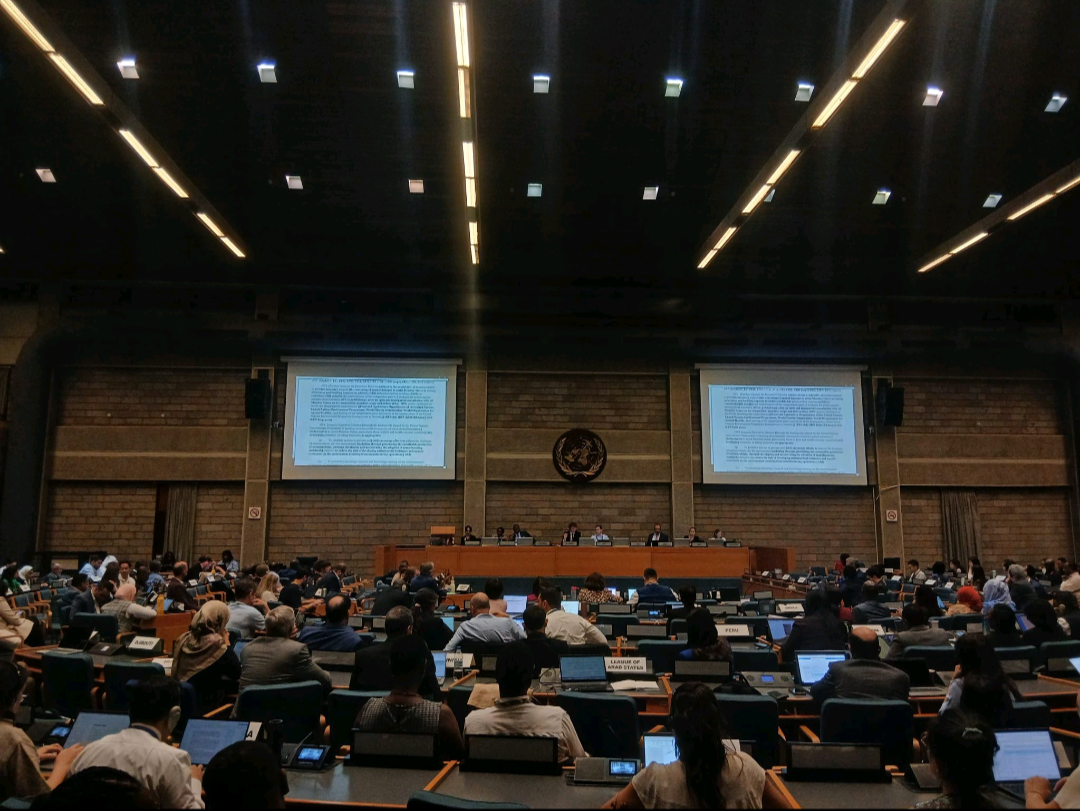
At the seventh session of the United Nations Environment Assembly (UNEA-7), the Government of Colombia introduced an ambitious draft resolution aimed at strengthening global governance over the extraction and management of minerals and metals. The proposal, titled “Advancing Options for International Instruments on the Environmentally Sound Management of Minerals and Metals,” responds to urgent environmental, social, and health challenges linked to these strategic resources.
Growing Global Impacts
The draft resolution highlights that the extraction, processing, and use of minerals and metals are major drivers of global environmental degradation. These activities affect ecosystems, water resources, transboundary environments, and local communities—often far beyond mining sites.
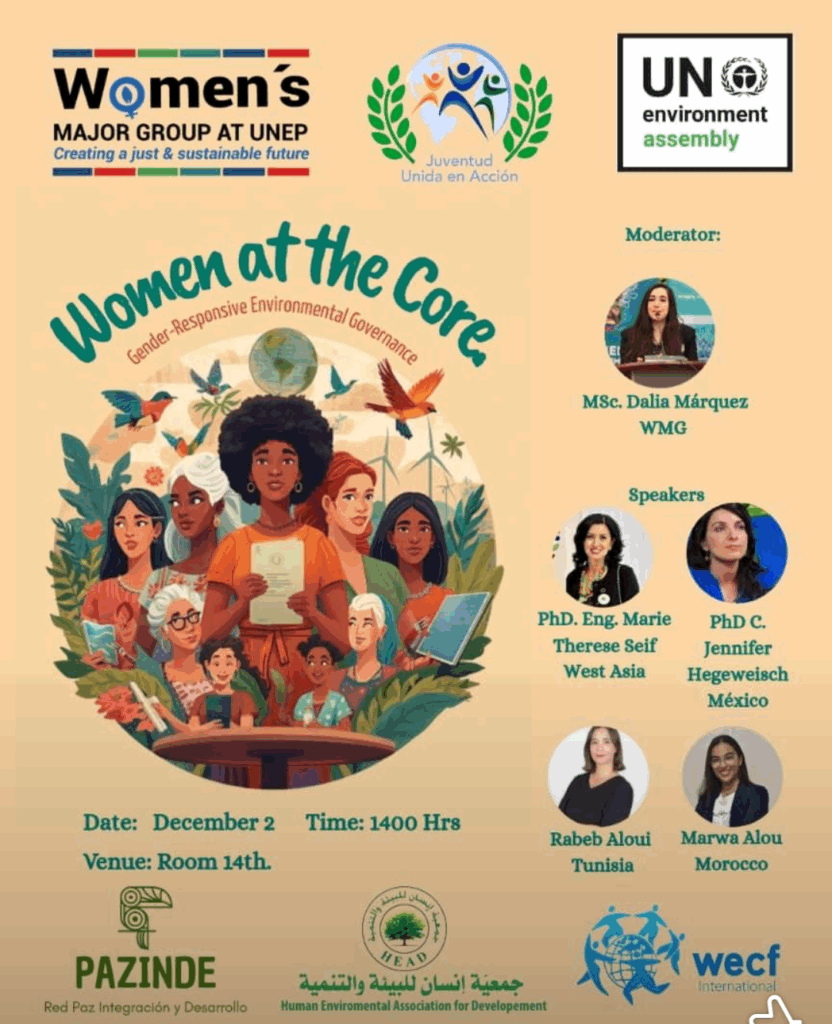
Mining-affected populations, including Indigenous Peoples, people of African descent, and vulnerable groups, frequently bear the brunt of pollution and environmental harm. Women and girls are disproportionately impacted, experiencing higher exposure to toxic substances, contaminated water, and reproductive health risks.
Minerals at the Heart of the Energy Transition
The global shift toward clean energy relies heavily on critical minerals such as lithium, cobalt, copper, and nickel. However, the resolution stresses that meeting this rising demand must not come at the expense of environmental integrity or community well-being.
The text calls for comprehensive life-cycle approaches, due diligence, and a just transition to a circular economy. It also draws on recommendations from the UN Secretary-General’s Panel on Critical Energy Transition Minerals, which outlined seven guiding principles to ensure that the energy transition benefits all while protecting people and the planet.
Toward a Possible Global Agreement on Minerals and Metals
Colombia’s proposal calls for the creation of an Ad Hoc Open-Ended Expert Group (AHEG) to assess international policy options, including the possibility of a legally binding global instrument for the environmentally sound management of minerals and metals. Mineral fuels and the marine environment are excluded from this scope.

The expert group would:
identify international instrument options to reduce environmental impacts across the minerals and metals value chain;
evaluate the economic, social, and environmental implications of each option; assess feasibility and effectiveness;
outline implementation needs such as finance, capacity-building, technology transfer; prepare a roadmap for future negotiations.
At least one—maximum two—meetings will be convened before UNEA-8, with support for participation from developing countries.
Strengthening Global Coordination
The draft resolution underscores the urgent need for coherent global action, stronger regulatory frameworks, and long-term cooperation. It calls on governments, industries, international bodies, and civil society to scale up national strategies, promote sustainable production and consumption, and align with UN recommendations on energy transition minerals.
Next Steps
The UNEP Executive Director will report back at UNEA-8 on progress. Member States will then determine the direction and potential development of an international regulatory framework—possibly paving the way for the first global treaty on the sustainable management of minerals and metals.


