
 0
0
 0
0
By Denise Kyalwahi
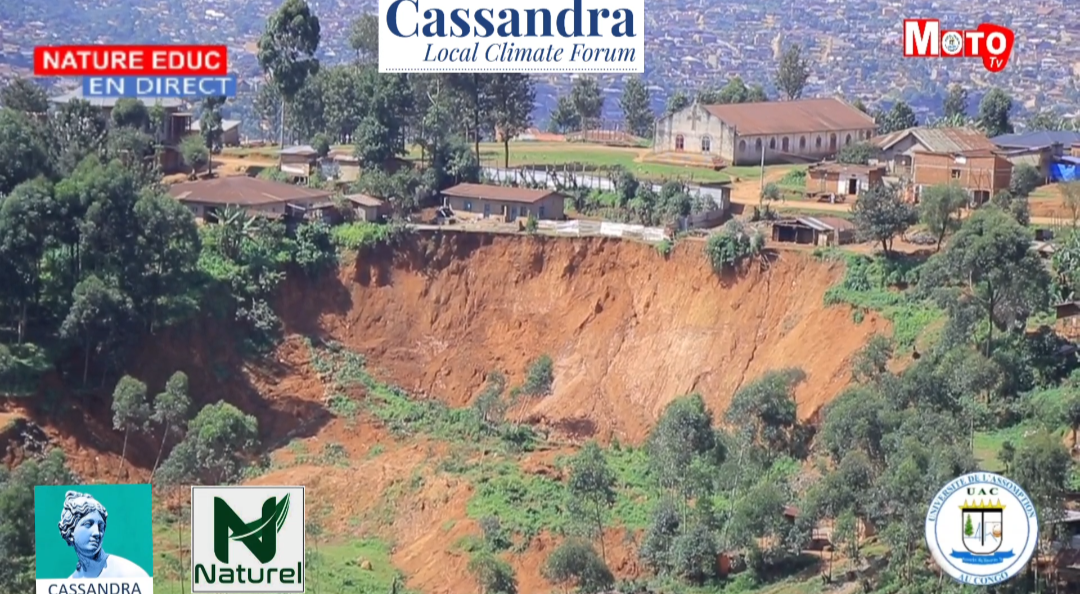
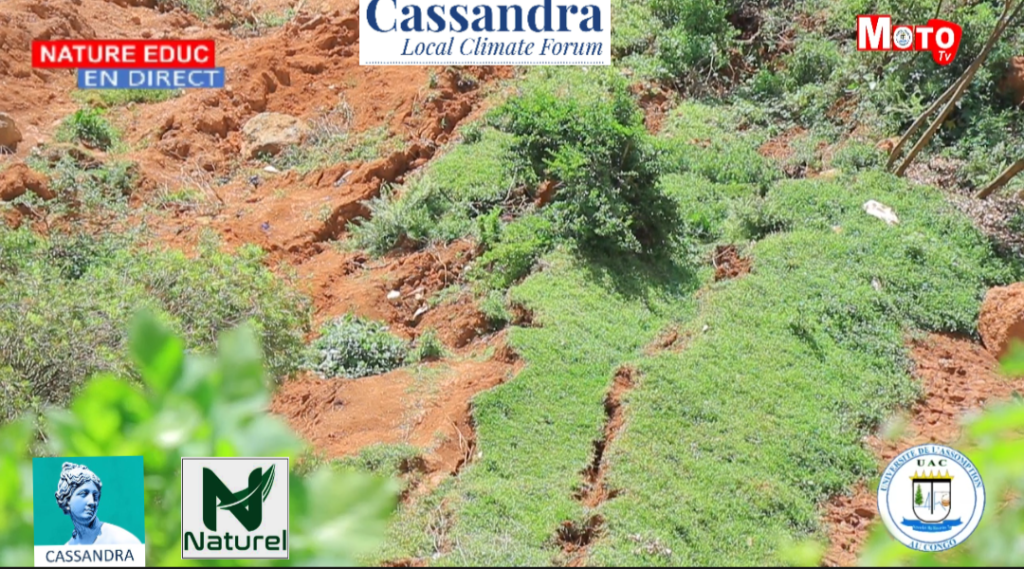
In the eastern Democratic Republic of the Congo, the environmental situation is becoming increasingly worrying. In Vutsundo, a neighborhood in the city of Butembo, residents live to the rhythm of ground fissures, sudden landslides, and paradoxically difficult access to water. Landslides and mudslides have been observed in North and South Kivu. In Butembo, more than 300 households have lost their homes and over 1,200 people have been displaced by climate change due to these disasters since 2005.
Recent research conducted by NATURELCD, members of the Local Climate Forum in the DRC, supported by CASSANDRA, shows probable links between climate change and natural disasters. The community lacks drinking water despite the presence of a potential water source following the landslides and mudslides. For Lydie Kawalina the researcher at UAC » University de l’Assomption au Congo » an analysis of the quality and quantity of water is also important before extracting water from the ground.”
During an environmental education program titled Nature Educ, several moving testimonies highlighted a reality that is as alarming as it is complex.
The situation in Vutsundo illustrates an environmental and humanitarian crisis that requires an immediate and coordinated response. Faced with repeated landslides, residents oscillate between incomprehension and fear of change/watching the ground give way beneath their feet.
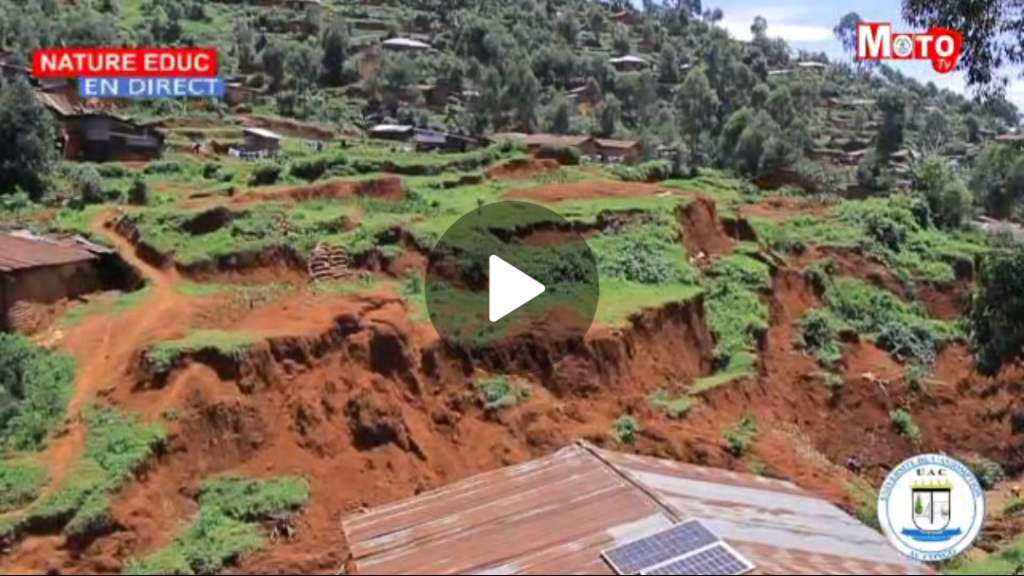
Kasereka Vutsume Jacques, head of one of the cells of the Vutsundo neighborhood, Vulamba commune, explains:
“The ground started sliding in 2005. During every major rainy season, especially in October and November, we observe collapses, collapses, and water gushing from the ground. It begins with small cracks, then the earth even carries away houses. Today, more than 300 households are affected.”
For him, these phenomena are not trivial:
“This sliding is not a simple natural phenomenon, because it recurs almost every five years.”
Within the community, some even mention mystical causes, as the situation seems inexplicable.
Mrs. Abiga Kahindo, a resident of the Vutsundo neighborhood, speaks with emotion:
“The ground is tearing apart before our eyes. It has already taken two neighboring houses right in front of me. The crack is advancing and now threatens my house. I do not understand where this water that suddenly appears is coming from.”
A scientific explanation still uncertain
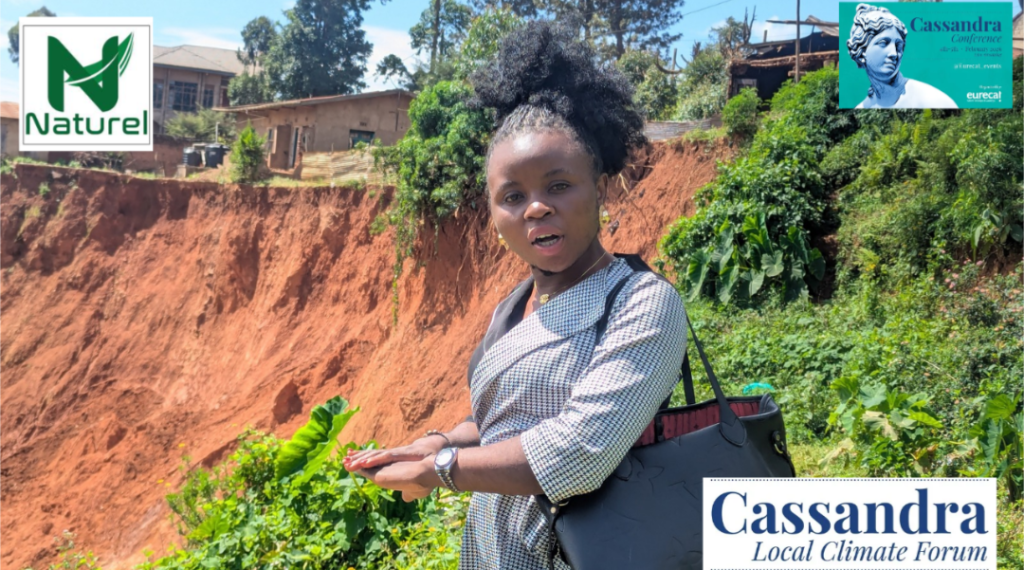
Invited on the program, researcher Lydie Kawalina provides scientific insight. According to her, this is not simply erosion, but a real collapse of the ground.
“We are in an area of the Albertine Rift, characterized by fragile sedimentary rocks. It is possible that there is a void at depth, which causes the subsidence of surface layers.”
She also emphasizes that the cracks may be signals of deeper phenomena, possibly linked to tectonic movements or factors aggravated by human activity.
Water everywhere in the ground… but not accessible
The paradox is striking: despite the visible presence of water from these cracks and subsidence, residents severely lack drinking water.
“We do not have drinking water here. We use river water for household tasks, and a small well dug near a wall for drinking. But this water is not clean, and it remains insufficient for the population of this cell,” laments Mrs. Kahindo.
The health consequences are serious:
“Our children often fall ill: typhoid, diarrhea, malaria, skin diseases…” she adds.
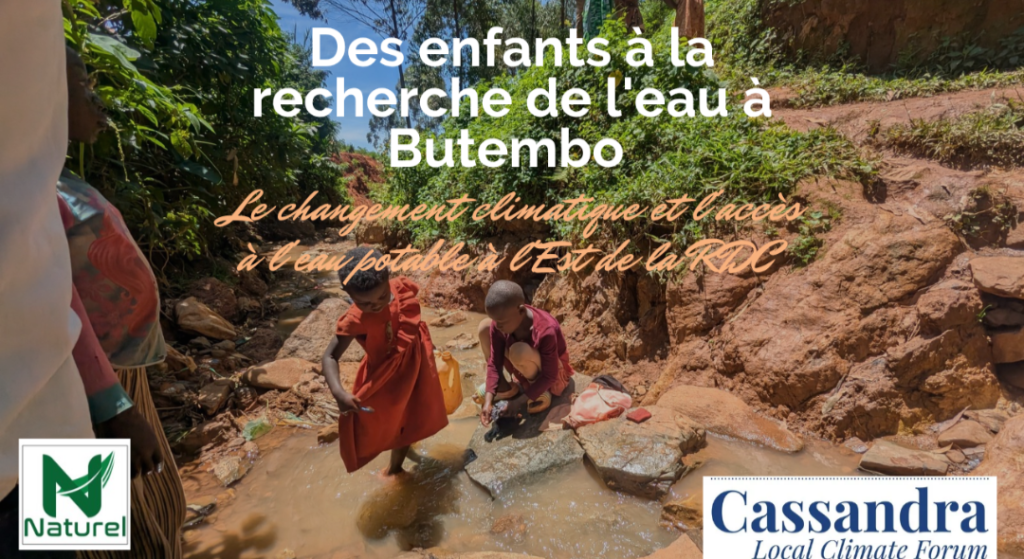
Thus, in an environment where water seems abundant, it remains unfit for consumption and dangerous to health.
Regarding water, specialist Lydie Kawalina recalls an essential point:
“It is not the absence of water that is the problem, but the lack of infrastructure to make it accessible and potable.”
The city of Butembo is facing rapid population growth, worsened by population displacement due to conflict. Yet water supply infrastructure has not kept pace, which explains a vulnerability amplified by the lack of infrastructure in the city.
“There are not enough mechanisms to meet the growing demand. This increases the vulnerability of populations,” explains Lydie Kawalina.
She also stresses the need to reconcile access to water with environmental protection:
“Any solution must be carefully considered so as not to further disrupt our ecosystem.”
Drawing attention to the multiplication of boreholes in the city, the researcher raises the alarm and calls for collective commitment at every level to save the hydraulic ecosystem of the city of Butembo.
“The multiplication of boreholes in the city of Butembo is not a problem in itself; it is even a very commendable initiative. Companies and local organizations are striving to provide access to water for the entire population of the city. However, a very thorough study must be conducted on the quality of the soil hosting all these structures. An analysis of the quantity and quality of water is also important before extracting water from the ground.”
An urgent call to action
The situation in Vutsundo illustrates an environmental and humanitarian crisis that requires an immediate and coordinated response.
Residents cannot continue to live in fear of landslides, nor consume water that is dangerous to their health.
Researchers, local, national and international NGOs, the Congolese government, and humanitarian actors are all called upon to make sincere commitments in response to this humanitarian crisis affecting the city. It should also be noted that a similar situation is occurring, in a different way, in the Kalemire neighborhood in the Bulengera commune.
It is time to act.
Local authorities, researchers, organizations, and the community must unite their efforts to:
- conduct in-depth studies on the causes of the collapses;
- secure high-risk areas and relocate threatened populations;
- invest in appropriate and sustainable drinking water infrastructure;
- raise awareness among residents about good environmental practices.
Because beyond the cracks in the ground, it is the very fabric of community life that is weakening.
Acting today means preserving lives tomorrow.


