
 0
 0
By the Editorial Team
Prospects for oil exploitation in Lake Albert continue to fuel debate in Ituri, where lakeside communities are questioning the economic and ecological consequences of potentially developing this resource. While neighbouring Uganda continues its oil operations, particularly near the Congolese border, the question is becoming increasingly pressing in Kasenyi and other lakeside communities: how can the benefits of the lake’s oil potential be harnessed without jeopardising the balance of an ecosystem on which many local activities depend?
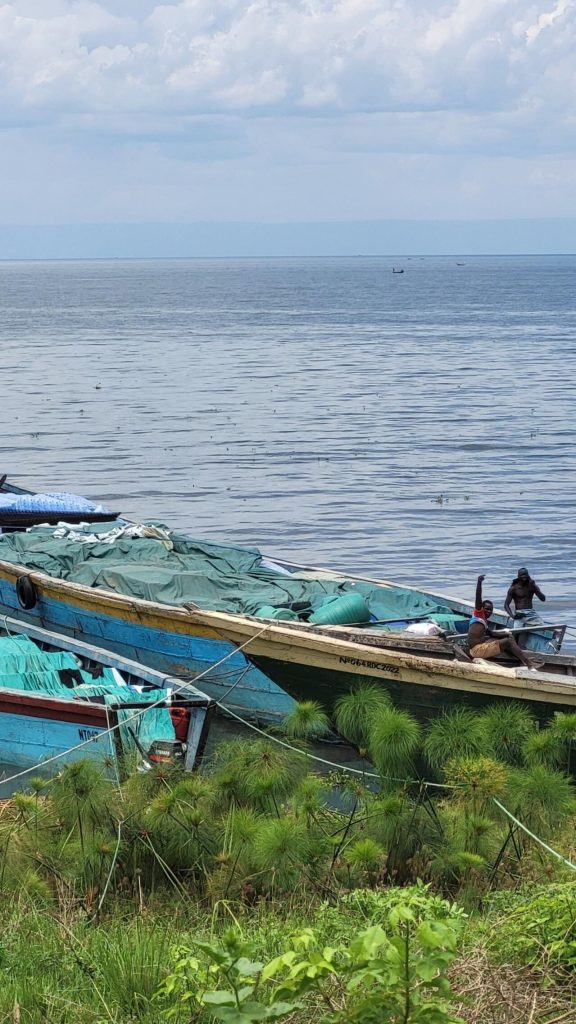
These concerns were highlighted in a recent survey conducted by the Natural Resources Consultation Framework, in collaboration with media outlets in Bunia. The discussions revealed the importance of a debate that goes beyond energy prospects alone. Amid concerns about pollution, the preservation of fishery resources and expectations for development, residents are seeking concrete answers about the conditions under which the lake’s resources could be exploited.
According to Victor Gaston Kakule, an environmental expert based in Bunia, oil should not be viewed solely in terms of the risks it poses. This resource also has economic potential that could support several industrial sectors. Its derivatives are used in the manufacture of materials for the automotive and textile industries, as well as in the production of bitumen for road infrastructure. The expert therefore believes that the Democratic Republic of the Congo should explore ways to develop its own natural resources while taking environmental requirements into account.
However, this economic perspective must not overshadow the vulnerability of Lake Albert. Poorly regulated oil exploitation could expose its waters to pollution risks and disrupt aquatic ecosystems, particularly fishery resources on which lakeside communities depend. This is why Victor Gaston Kakule stresses the need for responsible operations based on corporate accountability, compliance with environmental standards and the prevention of ecological damage. In his view, economic opportunities can only be sustainable if they are accompanied by firm safeguards for environmental protection.
The debate has also taken on a diplomatic dimension following the official visit of the President of the Democratic Republic of the Congo to Kampala on 11 May 2026. During discussions with his Ugandan counterpart, the possibility of jointly exploiting the oil resources of Lake Albert was among the issues raised. This prospect opens the way for cooperation between the two countries over a shared cross-border resource. However, its implementation would require clear agreements, monitoring mechanisms and well-defined environmental safeguards.
Among the measures recommended, the expert highlights strict compliance with international environmental protection protocols, as well as the polluter-pays principle. This principle requires those responsible for pollution to contribute towards repairing the damage they cause. “What matters is knowing how to compensate for the areas where pollution has occurred. Taxes are imposed on polluters and allocated to environmental protection,” Victor Gaston Kakule points out. Such an approach also requires transparent compensation mechanisms and guarantees that the resources mobilised are effectively used to restore affected environments.
Beyond the financial and industrial prospects, the future of oil exploitation in Lake Albert raises a fundamental question about the governance of natural resources: how can the DRC reconcile its economic ambitions with the preservation of a shared ecological heritage? For lakeside communities, the expected development should not be measured solely by the revenue generated from oil, but also by the protection of fishery resources, livelihoods and the environment. Only under these conditions could any prospect of exploitation genuinely contribute to sustainable development.


