
 0
 0
By Denise Kyalwahi
The Africa Centres for Disease Control and Prevention (Africa CDC) is calling for the urgent establishment of a “peace corridor” in areas affected by violence in North Kivu. The proposed measure aims to protect civilians, patients and medical personnel while ensuring that health and humanitarian teams can access communities affected by insecurity and the Ebola outbreak.
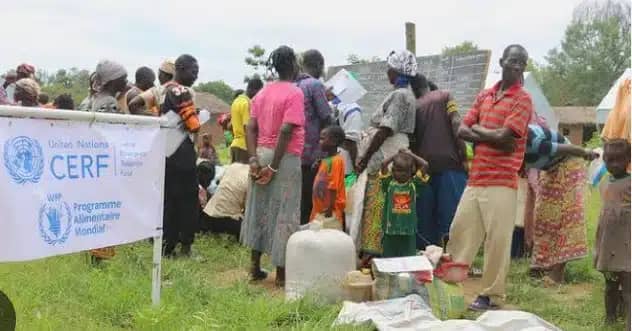
In a statement released on Sunday, November 8, 2026, in Addis Ababa, Africa CDC Director-General Jean Kaseya strongly condemned the deadly attack that occurred on November 5 in Cantine-Aloya, Beni Territory, North Kivu. He expressed deep sorrow and outrage over the violence attributed to the Allied Democratic Forces (ADF).
The attack took place at around 11 p.m. in Cantine-Aloya, a locality situated approximately 50 kilometres west of the city of Beni. The assailants set fire to a health post and several residential houses. According to local civil society organizations, at least 33 civilians lost their lives. Some were shot dead, while others were killed with machetes or perished in the fires.
Beyond the human toll, the latest attack has raised particular concerns because of its impact on the Ebola response. The violence reportedly forced numerous patients to flee and disrupted the operations of healthcare facilities.
According to information reported by Africa CDC, several hundred people infected with or suspected of having Ebola reportedly left treatment facilities in search of safety. Jean Kaseya considers this situation particularly alarming, given the risks it poses to patients and the communities in which they may seek refuge.
At Kelekele General Hospital, located in Cantine, approximately 180 patients fled, according to the chief medical officer, Christian Kakule Vulembera. Among them were one confirmed Ebola case and five suspected cases, including three individuals classified as high-risk contacts.
Africa CDC warns that the disruption of medical care, contact tracing and epidemiological surveillance could further undermine efforts to contain the outbreak. Any interruption in these essential response mechanisms could facilitate the spread of the virus and expose more people to infection.
The situation is particularly concerning because North Kivu accounts for nearly half of the new infections recorded nationwide. At the national level, the official figures as of November 3, 2026, stood at 10,668 confirmed cases and 5,198 deaths.
“Communities facing Ebola need care, protection and dignity. Healthcare workers must be able to save lives without fearing for their own,” said Jean Kaseya.
In response to this situation, the Africa CDC chief stressed the urgent need to establish a peace corridor to protect civilians, ensure the safety of patients and healthcare workers, and facilitate the deployment of medical and humanitarian teams to affected areas.
He also reaffirmed his institution’s commitment to continuing its cooperation with the Congolese authorities and health partners to ensure the continuity of the Ebola response and strengthen the protection of affected communities.
“Violence must stop. Lives depend on it,” Jean Kaseya concluded.


