
 0
0
 0
0
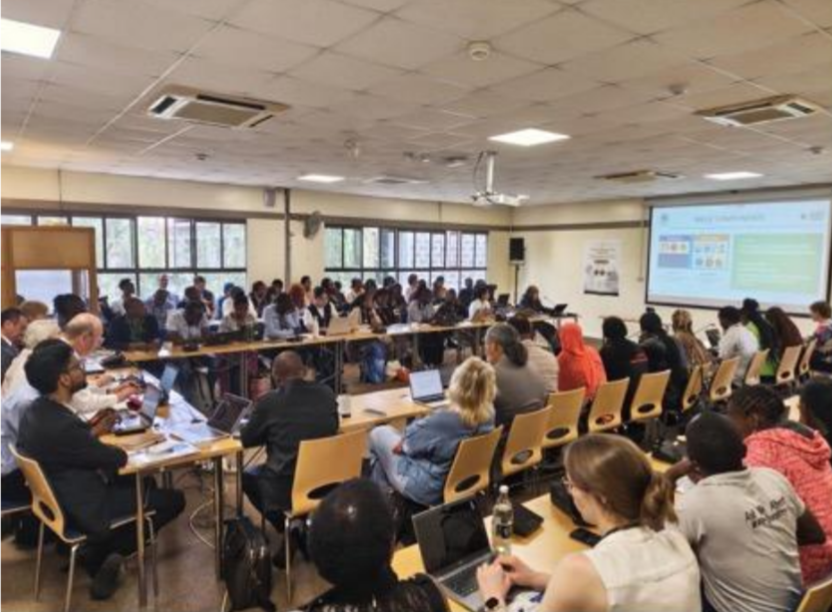
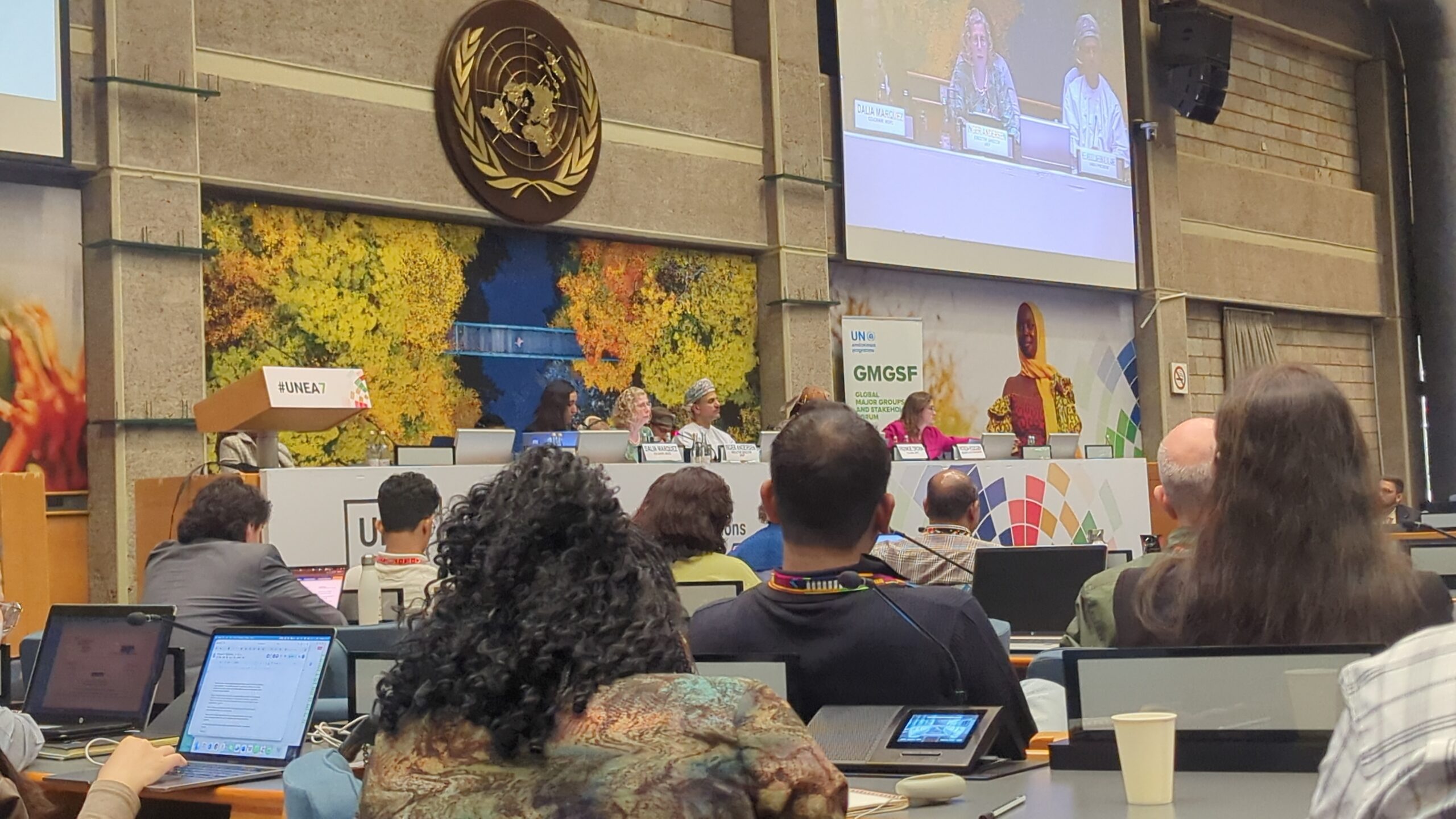
A groundbreaking report launched at the seventh session of the United Nations Environment Assembly (UNEA-7) in Nairobi reveals one of the world’s most overlooked climate solutions: empowering citizens to reduce emissions through a coordinated global citizen science programme. According to the report, such an initiative could reduce global greenhouse gas emissions by 40–70% by 2050, turning everyday behaviour into a powerful engine of climate mitigation.
Unlocking a Massive, Untapped Mitigation Opportunity
Prepared by the Citizen Science Global Partnership’s Climate Change Mitigation Working Group (CSCCM), the report identifies a persistent gap in global climate strategies: the lack of scalable, trusted mechanisms that help individuals make sustainable lifestyle choices.
Despite the enormous mitigation potential of behavioural change, it remains the least advanced component of global climate action. The proposed initiative – the first coordinated global citizen science programme for climate mitigation – aims to bridge this gap by empowering millions of people to measure and transform their carbon footprints.
Five Proven Projects United Into One Global Network
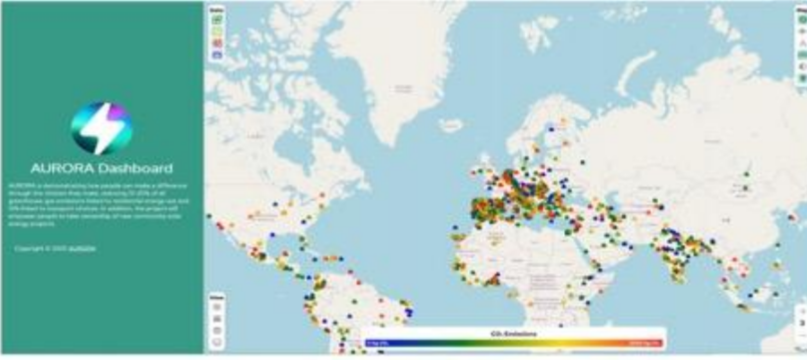
Backed by over €20 million in European and US investment, the initiative brings together five successful regional projects:
AURORA, PS Lifestyle, Step Change, FULFILL, and Generation Solar.
By merging these programmes into a single global network, the initiative will provide citizens worldwide with robust tools to monitor and reduce their carbon emissions. The high-quality data generated will support policymakers and scientists in designing more effective climate strategies.
“Citizen science is a new way to tackle environmental challenges, but to be effective it needs to be part of integrated planning,” said Andrea Hinwood, Chief Scientist at the United Nations.
Digital Tools and Community Participation at the Core
The proposed programme will provide a suite of participatory tools that ensure both global reach and local relevance, including:
transparent data-visualization and digital engagement platforms
strong privacy and data protection systems
inclusive participation frameworks for communities worldwide
alignment with national development plans
community-led behaviour-change models
Rather than building new systems from the ground up, the initiative leverages the success of existing global platforms such as iNaturalist, GLOBE and Global Mosquito Alert. This “build smarter, not from scratch” approach significantly reduces costs while enabling rapid global deployment.
“This is a time for active participation by volunteers around the world,” stated Martin Brocklehurst, Chair of the Citizen Science Global Partnership and one of the leaders of the AURORA project. “For the first time in history, we have the capacity to establish a global citizen science project that can meaningfully tackle the climate crisis. This report outlines our plan to do exactly that in 2026.”
Call for Global Partners
The CSCCM Working Group is calling on governments, philanthropies, private-sector actors, and civil society organizations to join the initiative. Partners are invited to contribute technical expertise, co-funding, regional pilots, and data-integration capacities.
With strong global support, the initiative aims to launch its first worldwide pilot in 2026, fully adhering to international data-privacy standards and open-science principles.
A Citizen-Driven Response to the Climate Emergency
As the world confronts accelerating climate impacts, this initiative offers a visionary yet practical shift: placing citizens at the centre of climate mitigation. If implemented at scale, it could become one of the most influential climate-action movements of the coming decades.


