
 0
 0
By Denise Kyalwahi
At the COP17 biodiversity conference in Yerevan, Armenia, citizen participation is emerging as a strategic tool for improving knowledge of species and accelerating the implementation of the Kunming-Montreal Global Biodiversity Framework. Advocates are urging governments to integrate this approach more fully into their national conservation policies.
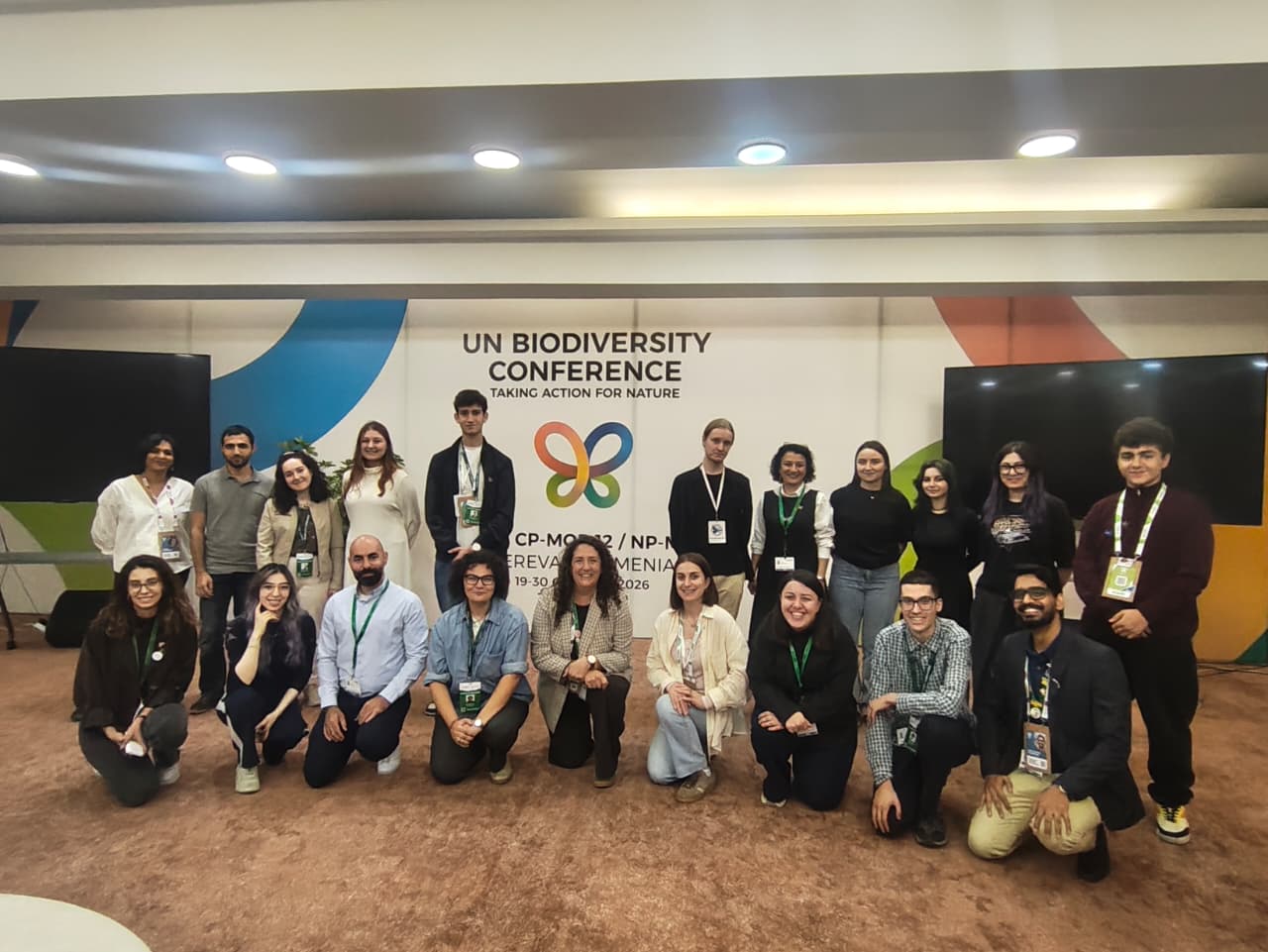
Public participation in scientific research is gaining attention in discussions on biodiversity conservation. At the 17th Conference of the Parties to the Convention on Biological Diversity (COP17), citizen science is being highlighted as a way to strengthen data collection, monitor ecosystems and support international commitments to protect nature.
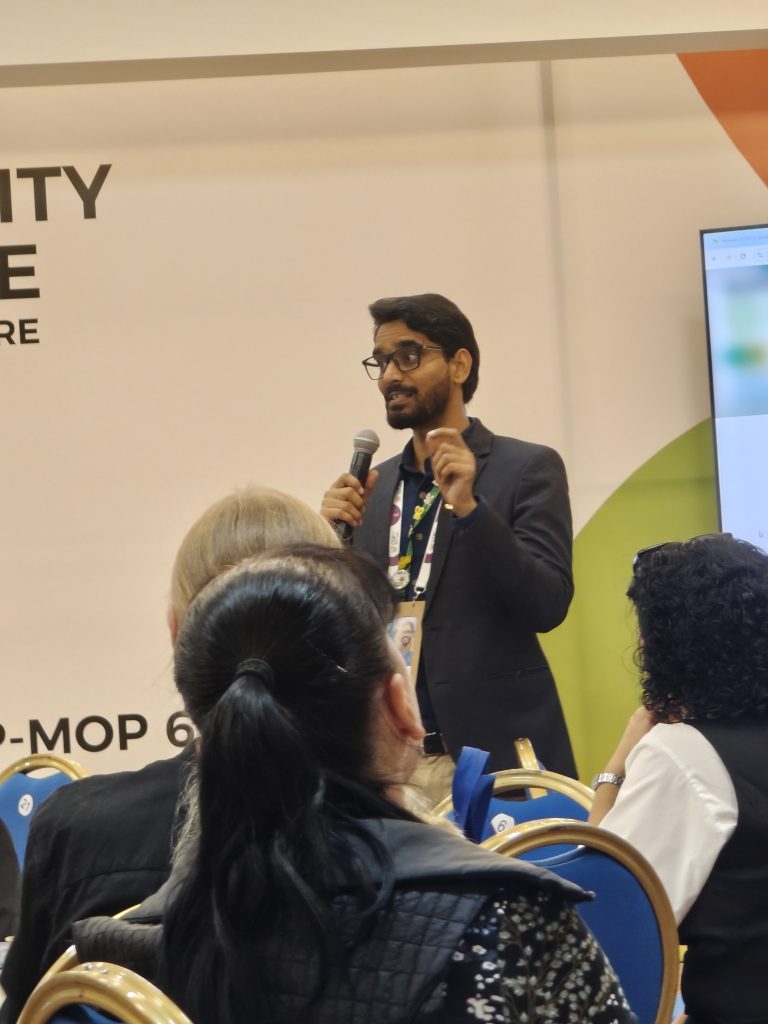
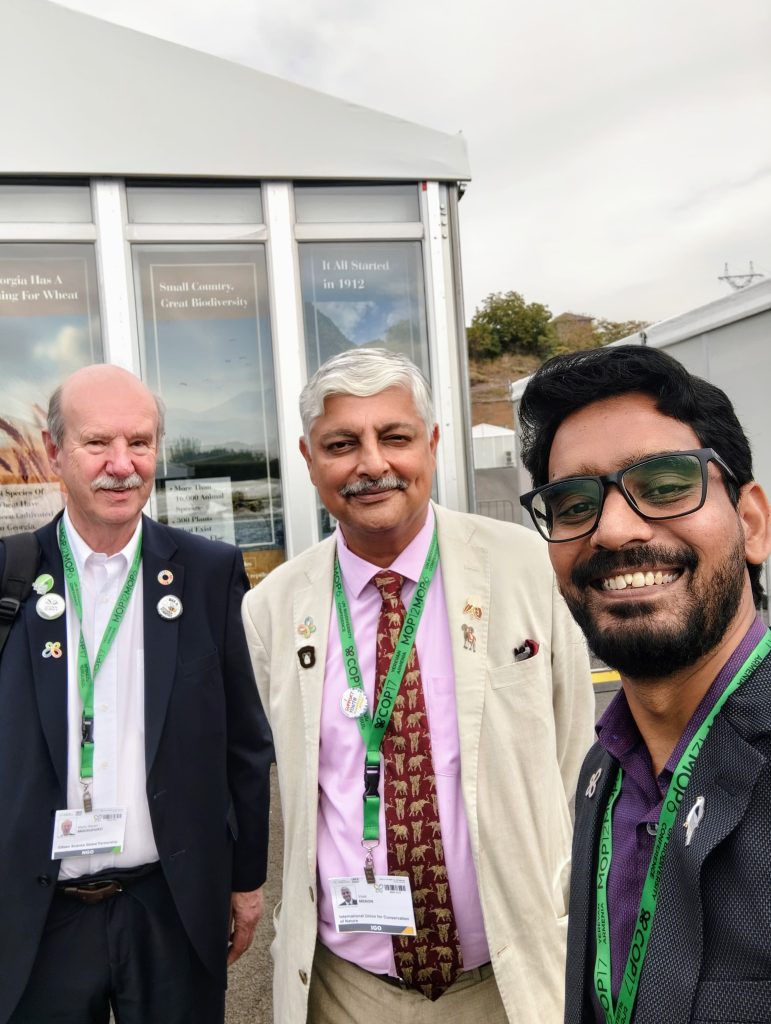
In an article submitted to ECHO Magazine on 28 October 2026, Martin Brocklehurst, an EU Climate Pact Ambassador and Chair of the Advisory Board of the European Citizen Science Association, highlights the potential of this global movement. He estimates that up to 1.3 billion people could be encouraged to participate in programmes that monitor and document biodiversity.
This ambition supports the implementation of the Kunming-Montreal Global Biodiversity Framework (KMGBF), adopted in 2022 to halt and reverse biodiversity loss.
Essential Data for Biodiversity Protection
Observations made by citizens help document species, track changes in habitats and identify environmental threats. They complement conventional scientific surveys by expanding geographical coverage and increasing the frequency of observations in the field.
According to Brocklehurst, more than 60% of biodiversity data available through the Global Biodiversity Information Facility (GBIF) comes from citizen contributions.
The economic value of this information is also considerable. A 2015 estimate placed the annual value of citizen science data for biodiversity at $2.6 billion. Brocklehurst says this figure has continued to rise, although his article does not provide an updated estimate.
These contributions go beyond documenting species. They help map habitats and habitat loss, monitor invasive species, track tree health and identify illegal logging activities.
Global Platforms Mobilising Millions
Several international initiatives demonstrate the scale of this movement.
- eBird and Merlin Bird ID: These tools support bird observation and identification. According to Brocklehurst, they had 33 million users in 2026 and surpassed two billion records in 2025.
- iNaturalist: This platform enables people to photograph and document living organisms. The figures provided by Brocklehurst indicate four million people documenting species, half a million contributing to the validation of observations and 300 million records collected.
- Mosquito Alert: This initiative helps track the presence and distribution of mosquitoes, including invasive species, providing information that can support local public health authorities.
These experiences demonstrate how digital tools can connect citizens, researchers and decision-makers while improving access to information needed for conservation.
Africa’s Untapped Potential
Participation remains uneven across the world. According to figures cited by Brocklehurst, 60% of iNaturalist observations come from the United States and 21% from Europe. India accounts for 7% of the data, South America 5% and Africa only 3%.
This imbalance highlights the need to strengthen data collection and sharing in African countries, which host ecosystems essential to global ecological balance.
In the Democratic Republic of the Congo (DRC), for example, local communities, young people, environmental organisations and researchers could help document pressures on the Congo Basin forests, wetlands and wildlife.
To support this expansion, governments are being encouraged to integrate citizen science into their national biodiversity strategies and action plans. Brocklehurst cites South Africa as an example of a country that has incorporated this approach into national planning.
Training, access to digital tools, verification of observations and funding for local initiatives will be essential to ensure reliable results.
Recognising Indigenous Peoples’ Rights
Sharing knowledge also raises questions about the protection of data held by Indigenous Peoples and local communities. Their knowledge can enrich scientific understanding of ecosystems, but its use must respect their rights, consent and intellectual property.
Common tools are being developed to facilitate exchanges with researchers while allowing communities to retain control over their information.
In this context, the Citizen Science Global Partnership (CSGP), which brings together regional networks from Africa, Asia, the Americas, Europe and Australia, has developed a Charter on Citizen Science and Multilateral Environmental Agreements. The document provides a framework to help governments use public participation to advance their environmental commitments.
Turning Public Participation into Action
At COP17, the challenge is to turn the potential of these initiatives into lasting measures: integrating citizen science into national policies, supporting local networks, strengthening scientific partnerships and ensuring the responsible use of data.
This approach does not replace the work of scientists. Instead, it complements conventional research by enabling broader and more regular biodiversity monitoring, provided that the information collected is rigorously verified.
For Brocklehurst, public participation offers a major opportunity to accelerate implementation of the Kunming-Montreal Global Biodiversity Framework. Nature conservation can therefore become a collective effort involving governments, scientists, local communities and citizens.
The message from Yerevan is clear: every citizen can become a potential contributor to biodiversity knowledge and conservation, provided that their efforts are recognised and taken into account in public decision-making.


