
 0
 0
By Denise Kyalwahi
Young people need to better understand Nile Basin cooperation and help the Nile Basin Discourse (NBD) capture and communicate community voices in water governance. This was one of the key messages delivered by Ms Hayat, PhD, a water specialist at the University of Ethiopia, during a workshop organized by the Regional Nile Youth Platform on the role of youth in peacebuilding and transboundary cooperation.
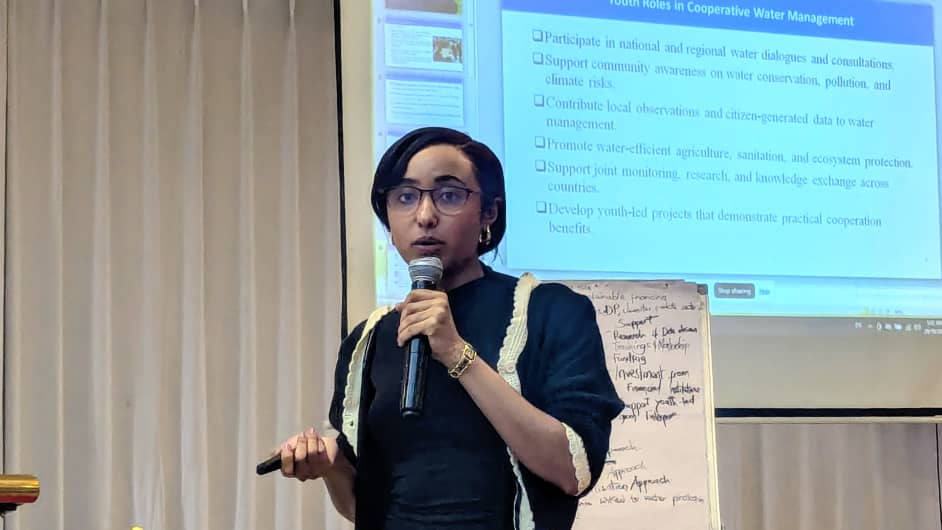
In her presentation on water diplomacy, climate, peace and transboundary cooperation, Ms Hayat emphasized the importance of involving young people in initiatives aimed at strengthening collaboration among Nile Basin countries. She stressed that youth must understand the principles of Nile cooperation and help NBD collect community perspectives to ensure that local concerns are considered in regional discussions and decision-making.
Water diplomacy as a tool for peace
Water diplomacy involves dialogue, negotiation, cooperation and the use of evidence to prevent or resolve disputes over shared water resources. In the Nile Basin, it relates to the management of shared rivers and lakes, as well as challenges such as floods, droughts, pollution, declining water flows and climate change.
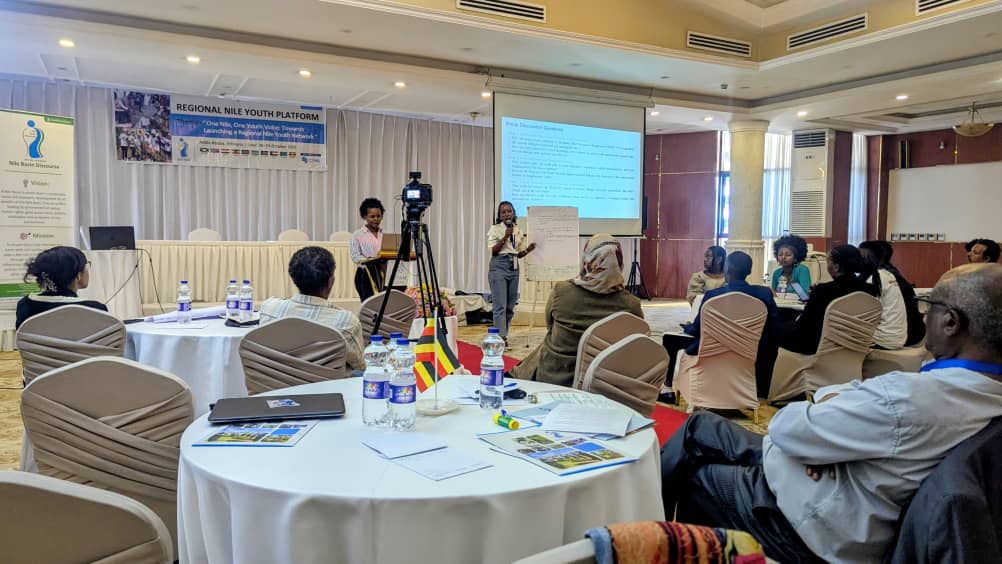
The presentation highlighted that water diplomacy should not be limited to governments. Young people, researchers, media professionals, civil society organizations and local communities can also contribute to peaceful water management and the search for common solutions.
Effective transboundary cooperation requires information sharing, joint planning, mutual trust and consideration of the interests of communities living both upstream and downstream.
Youth propose practical solutions through group discussions
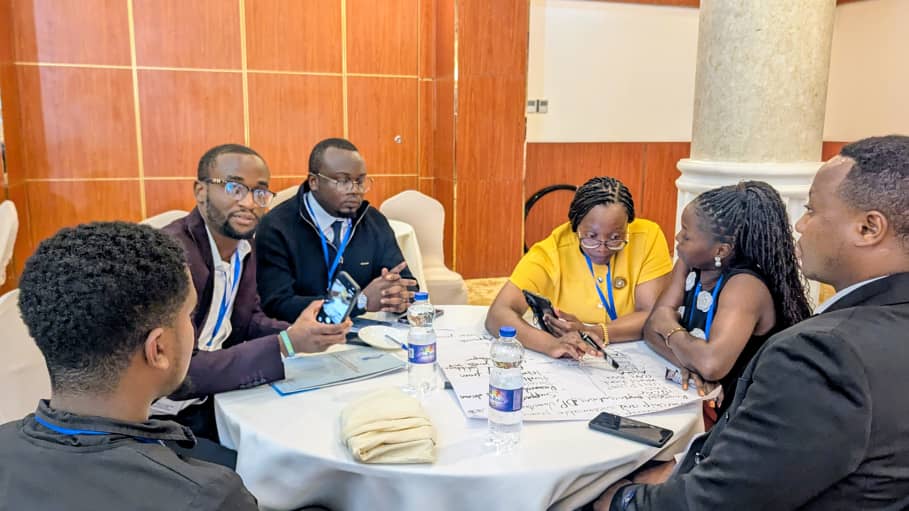
Following the presentation, participants were divided into working groups to reflect on how young people could contribute to water diplomacy and strengthen their inclusion in Nile Basin cooperation.
The discussions generated several proposals aimed at helping the Nile Basin Discourse (NBD) promote meaningful youth participation.
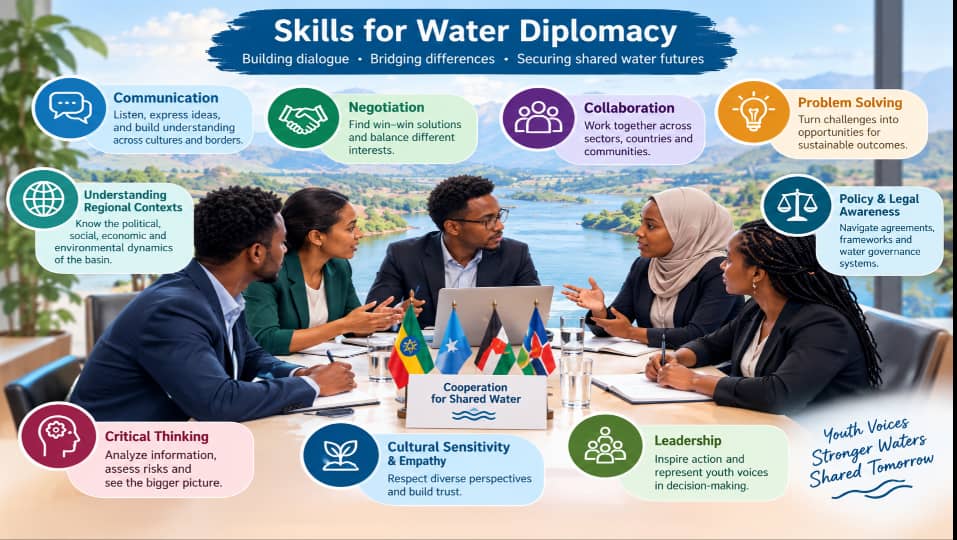
Among the proposed actions, participants highlighted the need to strengthen young people’s capacity to advocate for their communities and participate in negotiations on water-related issues.
They also proposed the co-creation of collective projects that respond to shared challenges across communities and countries. Such initiatives could help young people move beyond discussions and demonstrate the practical benefits of cooperation.
Another recommendation was to develop training programmes that equip young people with the knowledge and skills needed to understand water governance, transboundary cooperation, climate resilience and conflict prevention.
Participants further proposed that youth organize dialogues and discussions to identify the challenges that create divisions and gaps between communities. These spaces could encourage active listening, improve mutual understanding and help stakeholders find common ground.
The proposals underline the importance of treating young people not merely as beneficiaries of regional programmes, but as active contributors to their design, implementation and monitoring.
Bringing community concerns into regional decision-making
Collecting and communicating community perspectives emerged as another important aspect of youth engagement.
Because of their close connections with local populations, young people can document water-related challenges, share local experiences and communicate community priorities to regional institutions and other stakeholders.
This role is particularly important when water infrastructure projects or decisions about shared water resources raise concerns among communities in different countries.
By promoting reliable information, community consultations and cross-border exchanges, young people can help reduce misunderstandings, address mistrust and encourage constructive dialogue.
Their contribution can also help ensure that water governance reflects the realities experienced by communities, especially those affected by climate change, water scarcity and environmental degradation.
Building a peaceful and climate-resilient Nile Basin
The workshop emphasized that water challenges cross national borders and therefore require solutions that also extend beyond them. Reduced rainfall, declining river flows, floods, droughts and pollution can affect several communities and countries simultaneously, making cooperation essential.
For young people involved in the Regional Nile Youth Platform, the challenge is to turn participation into practical action through advocacy, negotiation, collective projects, training and community dialogue.
These efforts can strengthen cooperation between Nile Basin countries while ensuring that local voices are considered in discussions about shared water resources.
The message “One Nile, One Youth Voice” captures the importance of youth solidarity in promoting trust, inclusion and shared benefits. By working together, young people can contribute to a more peaceful, cooperative and climate-resilient Nile Basin.


