
 0
 0
By Denise Kyalwahi
The transformation of food systems has emerged as one of the major priorities of the 31st United Nations Climate Change Conference (COP31), which opened on November 9, 2026, in Antalya, Türkiye. Faced with increasingly frequent droughts, food insecurity and the degradation of agricultural land, climate action stakeholders are looking to green fertilizers, regenerative agriculture and more environmentally sustainable food systems as key solutions.
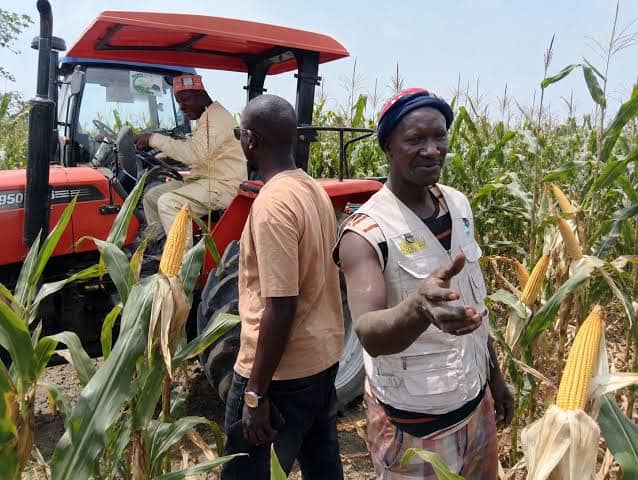
In its daily newsletter published at the opening of the conference, the Secretariat of the United Nations Framework Convention on Climate Change (UNFCCC) highlights the urgent need to transform food systems, which account for approximately one-third of global greenhouse gas emissions.
According to figures presented in the publication, nearly 2.1 billion people worldwide face food insecurity, while 266 million suffer from acute hunger. These challenges are compounded by food loss and waste, which account for more than 40% of global food production.
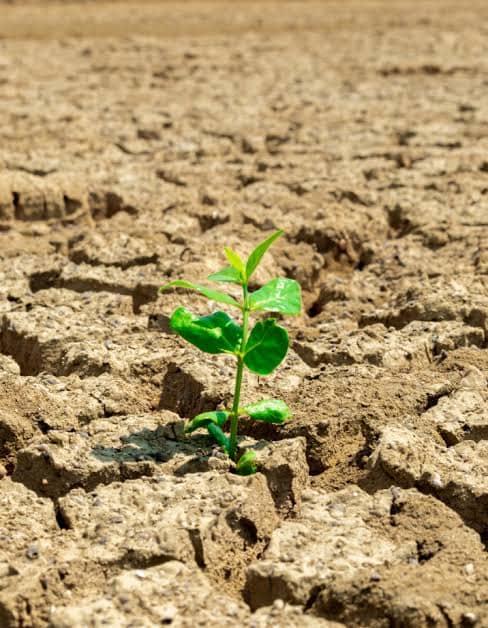
For the United Nations, transforming agriculture is therefore an essential means of reducing emissions, strengthening the resilience of rural communities and protecting the livelihoods of approximately 570 million smallholder farmers worldwide.
Green Fertilizers: An Alternative to Fossil Fuels
Among the announcements made in Antalya is a new action plan aimed at accelerating green fertilizer production. Led by partners to the Belém Declaration on Fertilizers, including Brazil, the United Kingdom, Japan and Canada, the initiative seeks to reduce emissions associated with fertilizer manufacturing and encourage investment in clean industrial processes.
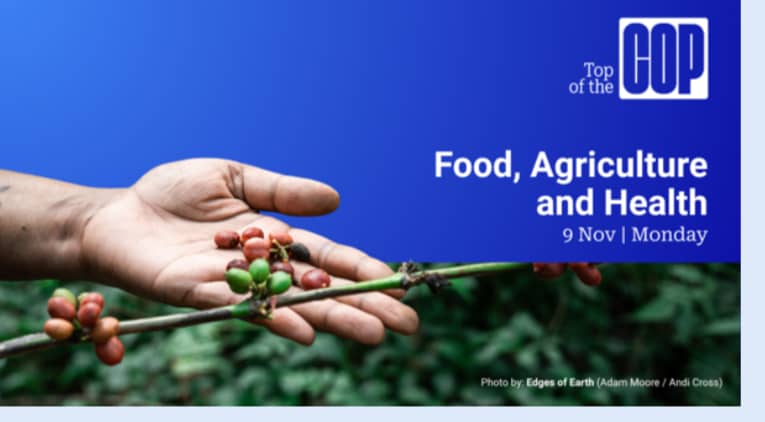
New data presented at COP31 indicate that 36 clean industrial facilities reached final investment decision over the past twelve months. Nearly one-quarter of these projects concern clean ammonia, a key component in fertilizer production.
Produced using hydrogen derived from renewable energy rather than fossil fuels, green ammonia could help decarbonize an industry responsible for approximately 2% of global emissions.
In Kenya, a facility planned for Olkaria in the Rift Valley is expected to produce between 200,000 and 300,000 tonnes of fertilizer annually using geothermal energy. The project could help reduce the country’s dependence on imports and secure fertilizer supplies for farmers.
66 Million Hectares Covered by Regenerative Agriculture
Another development highlighted in Antalya is the expansion of regenerative agriculture programmes. According to figures released at COP31, companies participating in the Action Agenda on Regenerative Landscapes now cover 66 million hectares of agricultural land across 116 countries.
This area, comparable in size to France, includes various agricultural activities and crops, particularly maize, soybeans, sorghum, livestock farming and oil palm production.
Within one year, the proportion of committed land actually covered by active programmes increased from 50% to 70%. Nearly 2.3 billion dollars have already been mobilized to support these initiatives.
Regenerative agriculture aims, in particular, to restore soil fertility, improve water retention and strengthen the resilience of agricultural land against droughts and extreme weather events.
For African countries facing land degradation and increasingly disrupted agricultural seasons, these practices offer an important pathway to safeguarding food production and supporting rural communities.
More Climate-Friendly School Meals
Food system transformation also involves changing consumption habits. At COP31, several initiatives are highlighting healthier diets with lower greenhouse gas emissions.
In New York, public schools have reduced the carbon footprint of their meals by 38.9% since 2019, while continuing to provide free meals to more than one million students every day.
More than 100 recipes emphasizing plant-based foods have been developed and submitted to students for feedback before being incorporated into school menus.
In Antalya, a partnership involving Instituto Regenera, Comida do Amanhã and the COP31 Presidency also plans to provide healthy, low-carbon meals to more than 30,000 participants, while encouraging food purchases from small-scale Turkish farmers.
An Additional 150 Million Dollars for Climate and Health
Beyond agriculture, health is also among the priorities of this year’s conference. The Climate and Health Funders Coalition has announced an additional 150 million dollars to strengthen the capacity of health systems to respond to the consequences of climate change.
The announcement follows more than 225 million dollars in funding awarded to 20 programmes during the Coalition’s first year of operation. The funding supports initiatives addressing the impacts of extreme heat, air pollution and climate-sensitive diseases, as well as efforts to improve health data systems.
Among the supported initiatives is the integration of weather and climate data into DHIS2, a health information and surveillance software platform used by health systems in more than 70 countries. This development is expected to improve the anticipation of health risks associated particularly with high temperatures and rainfall.
The Coalition is supported by, among others, the Gates Foundation, Wellcome and the Rockefeller Foundation.
According to estimates presented in the newsletter, developing countries will need approximately 23 billion dollars annually by 2035 to finance the adaptation of their health systems to climate change. However, international public funding dedicated to adaptation in the health sector remains limited.
Through these various announcements, COP31 highlights the close links between climate, agriculture, food and health. For vulnerable countries, particularly in Africa, the challenge now is to turn these commitments and investments into concrete action capable of protecting farmers, securing harvests and reducing the health risks faced by populations.


