
 0
0
 0
0
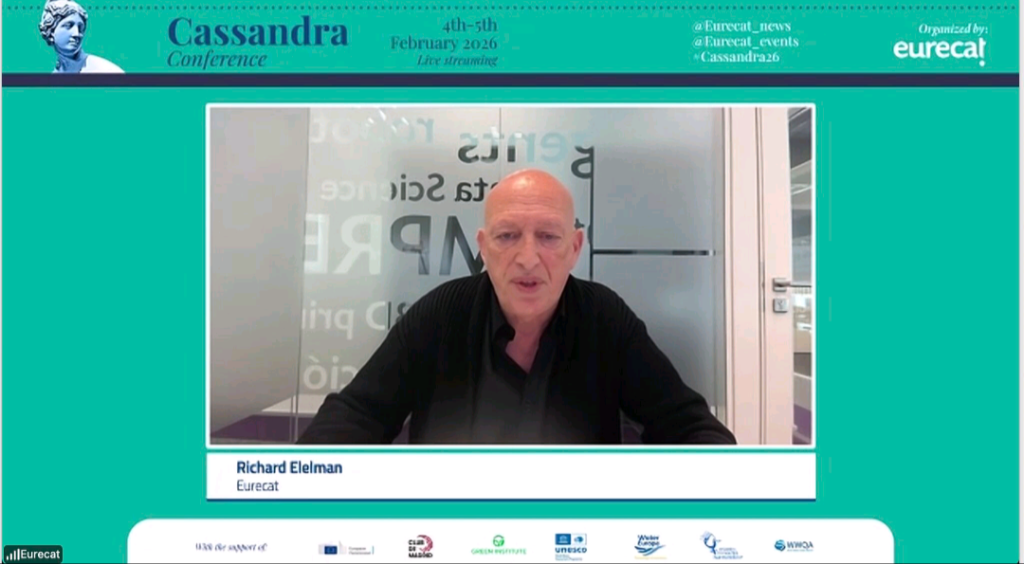
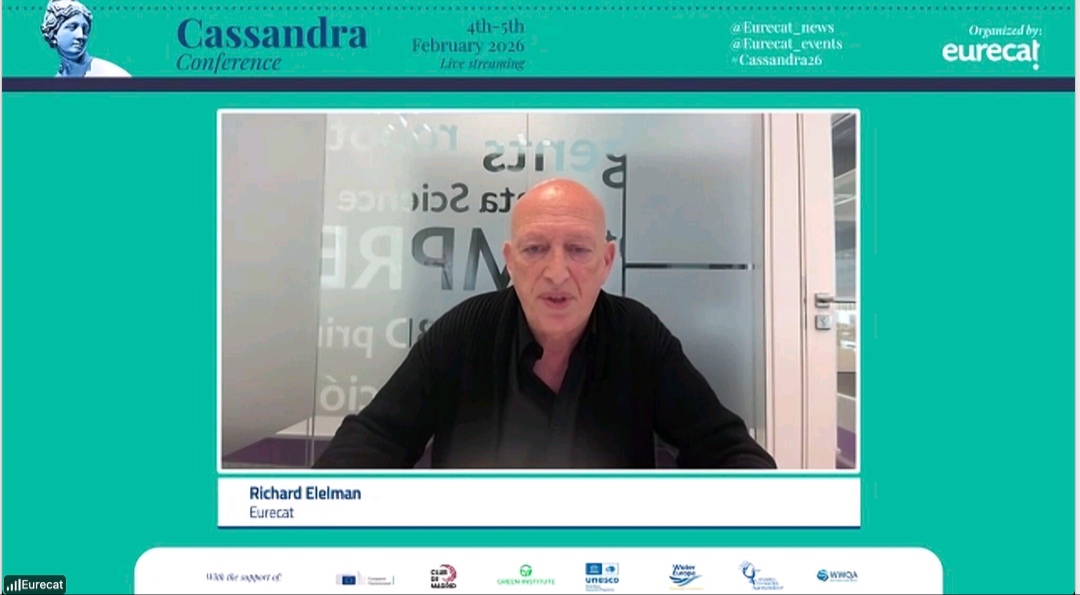
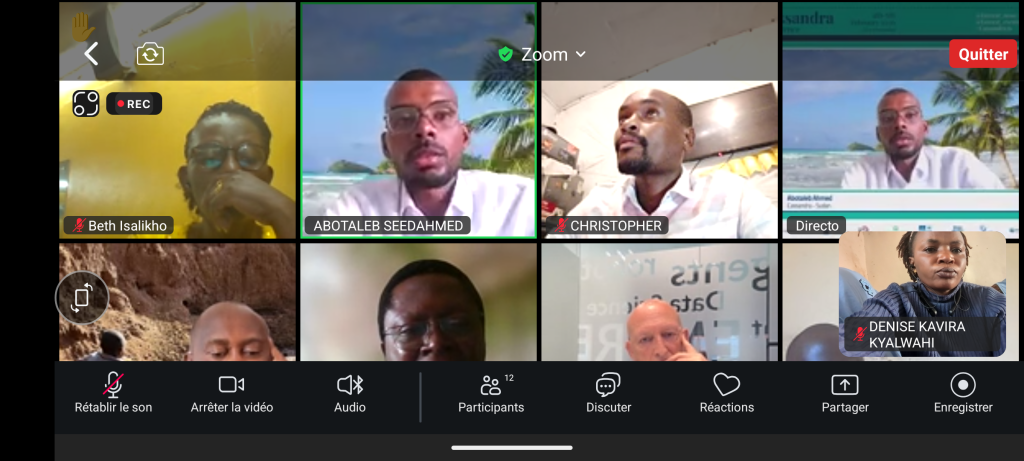
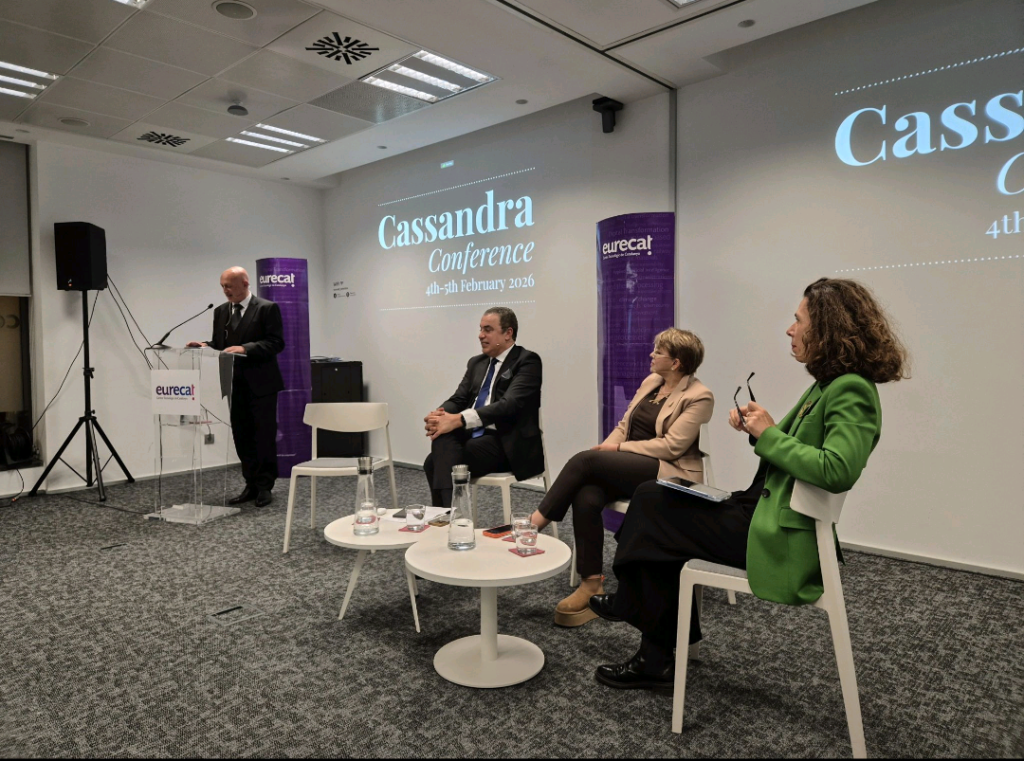
At the CASSANDRA Conference in Barcelona, DRC climate Denise Kavira Kyalwahi the local focal point of Congo highlights the urgent water access crisis and plastic pollution threatening communities in eastern Congo.
DRC water crisis and plastic pollution
During the CASSANDRA International Conference, held in Barcelona in partnership with the research center Eurecat, Denise Kavira Kyalwahi, CASSANDRA DRC focal point and Executive Director of Naturel CD, spoke online to represent the Democratic Republic of Congo (DRC) and draw attention to the country’s growing environmental challenges.
Her intervention focused on two critical issues affecting communities in eastern DRC, particularly North Kivu: access to safe drinking water and plastic waste pollution.
Water access: a public health and gender issue
Despite being one of Africa’s most water-rich countries, millions of people in the DRC still lack access to clean and safe drinking water.
“DRC is rich in water resources, yet our communities continue to consume unsafe water,” Denise Kyalwahi emphasized.
In many areas, women and children face violence and insecurity while collecting water, while waterborne diseases remain widespread. Around Goma, some households rely on rainwater contaminated by volcanic activity. In Butembo, difficult terrain and water scarcity have contributed to gender-based violence and the use of unprotected wells, increasing health risks.
Plastic pollution threatening Lake Kivu and human health
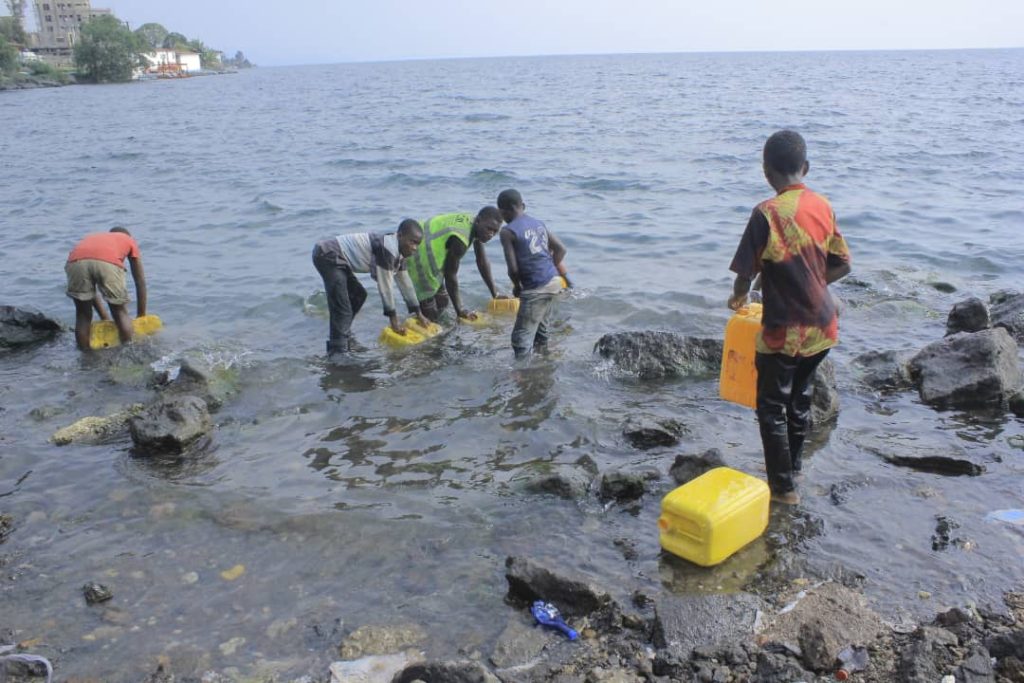
Plastic waste pollution is another major concern. Lake Kivu, the main source of drinking water for the city of Goma, is increasingly contaminated with microplastics. Research shows that these particles are ingested by fish, posing direct risks to the health of lakeside communities.
Despite these challenges, local communities demonstrate remarkable resilience and leadership. Community leaders, youth, and women are actively involved in developing locally adapted solutions, including the use of anti-erosion vegetation to prevent landslides and soil degradation.
Community action and local solutions
In Goma, plastic recycling campaigns led by ALLEN+, Climate Clock DRC, Naturel CD, and other local environmental organizations have raised awareness about waste management. Community members participated in plastic collection and transformation into eco-friendly paving stones and artistic products, an innovative and empowering experience for many.
In Kinshasa, recurrent flooding caused by heavy rainfall and clogged drainage systems continues to claim lives. Plastic waste is frequently seen blocking canals and floating through flooded neighborhoods. The activist called for both community-level waste management and national regulations on plastic bottle and packaging production to reduce flood risks.
Bridging science and Indigenous knowledge
Naturel CD promotes a citizen science approach, combining Indigenous knowledge and scientific research to address local environmental problems.
In Butembo, collaborative research with the University of the Assumption of Congo revealed that only one-third of the population has access to potable water, despite abundant groundwater and surface water resources. Researchers recommend in-depth water quality assessments and technical support to manage underground water, which contributes to land collapse in parts of the city.
Additional research conducted with the University of Kinshasa on flooding has contributed to improvements in urban drainage systems, demonstrating the value of academic-community collaboration.
Visible impact and ongoing challenges
After one year of community-based environmental action, tangible results are visible: increased tree planting, improved urban sanitation, integration of environmental education in schools, and stronger media engagement on climate issues through various journalistic productions.
However, insecurity, poverty, and limited financial and technical resources continue to hinder progress. Denise Kyalwahi urged international decision-makers to strengthen support for grassroots initiatives and to avoid imposing one-size-fits-all climate solutions.
“Communities know what they need. Above all, they ask to be listened to and supported,” she concluded, stressing that human resilience remains the greatest source of hope in the face of the climate crisis.
« If I had one minute with a global decision-maker, I would ask them to stop imposing uniform environmental solutions, as climate challenges manifest differently across regions. I would urge them to consult local communities before making decisions and to take concrete action to end the war in the DRC. I would also ask them to make the system flexible for youth-led movements » Denise Kyalwahi.
Redaction


