
 0
 0
By La Reine Aminata Kitambala
In Bunia, the capital of Ituri Province, persistent poor sanitation at the central market is causing growing concern among traders. Heaps of rubbish, consisting mainly of household waste, decomposing organic matter and plastic materials, occupy a significant portion of the access roads, disrupting commercial activities and exposing both vendors and customers to health risks. Faced with this situation, Prince Udotha, Provincial Coordinator of the Engagement for Citizenship and Development (ECiDé), the political party led by Martin Fayulu, has denounced serious shortcomings in the management of sanitation services at the market.
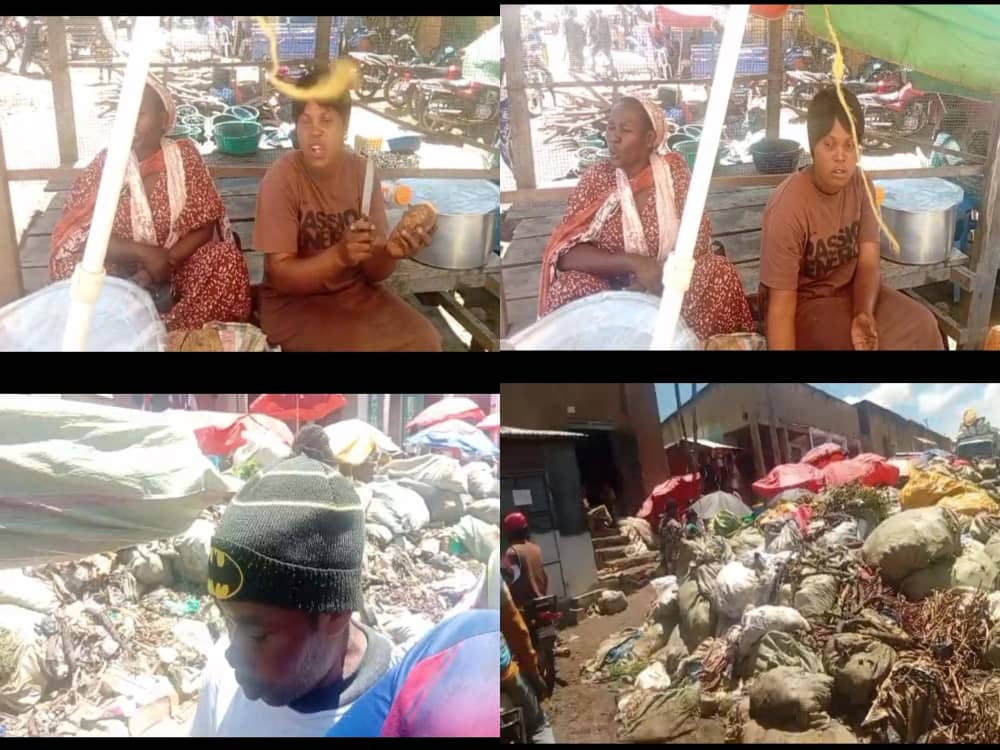
At the centre of his concerns is a weekly tax of 1,000 Congolese francs (FC), reportedly collected every Friday and Saturday from stallholders and shop owners in collaboration with the hygiene service. According to testimonies from some female vendors, this contribution is not always accompanied by the issuance of receipts, while refusal to pay may expose traders to intimidation or even the closure of their stalls. « We pay 1,000 francs for sanitation, but there is no cleanliness! Our children are at risk of falling ill, » one vendor complained, expressing a sense of abandonment shared by several market traders.

Drawing on estimates reportedly obtained from sources close to the market, Prince Udotha states that the facility has approximately 6,000 active stalls and nearly 10,000 shops and commercial premises. Based on a contribution of 1,000 FC per unit, potential collections could amount to 16 million Congolese francs per week, approximately 64 million per month and 768 million annually. These figures raise questions about the destination of the funds collected, their traceability and whether they are effectively allocated to sanitation operations. « The hygiene service is incapable of removing the waste, » denounced the ECiDé provincial coordinator, calling for greater transparency in the management of these resources.
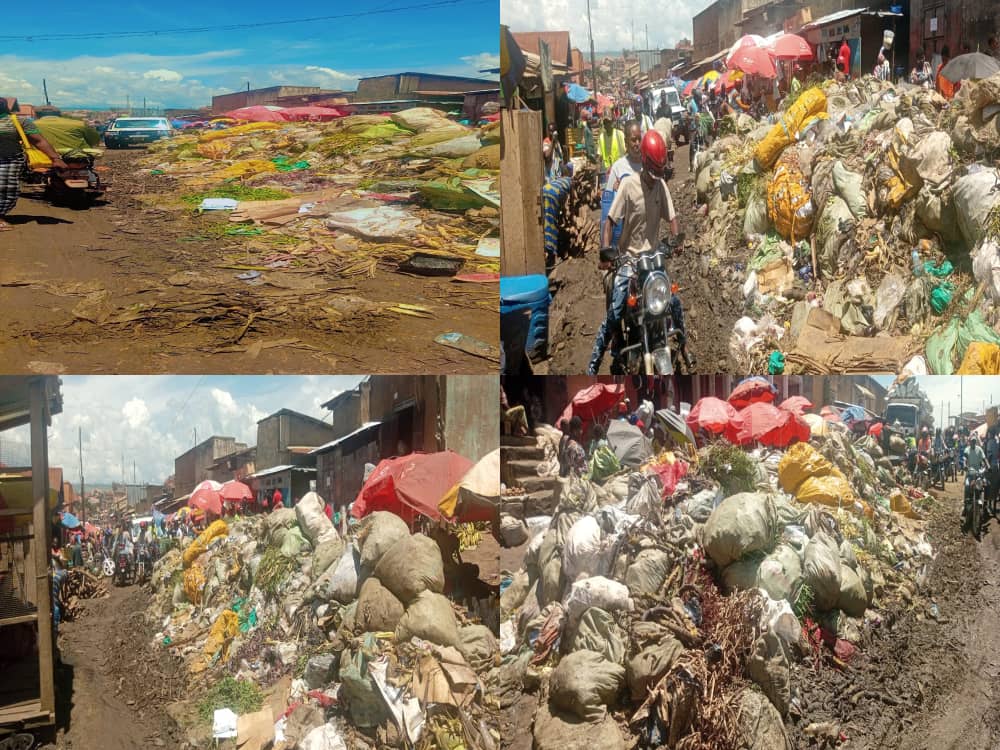
The prolonged failure to remove the waste is another major source of concern. According to Prince Udotha, some rubbish has reportedly remained at the site for at least a week, and in some cases up to a month, with officials citing a breakdown of the vehicle responsible for waste collection. The accumulation obstructs the movement of motorcyclists and customers, while traders are forced to continue their activities in an extremely unhygienic environment. The proximity of decomposing waste to food products, particularly vegetables, fruits, cassava and small dried fish, further heightens health concerns. The proliferation of flies, rats and mosquitoes, coupled with the risk of contaminated runoff entering drainage channels, raises fears of increased waterborne diseases, including cholera, typhoid fever and diarrhoeal illnesses.
Beyond the public health concerns, the situation has also taken on a political dimension. Prince Udotha believes that the urban authorities are failing to fulfil their responsibilities regarding sanitation and the protection of the population. Recalling that his party had previously called for the resignation of Bunia’s mayor over alleged mismanagement and an inability to improve the city’s sanitation, he is now urging the Minister of the Interior to intervene in the matter. « The Minister of the Interior must take up the case of the Mayor of Bunia, » he insisted. The political figure also says he is speaking on behalf of economic operators who, according to him, are reluctant to denounce these practices for fear of reprisals.
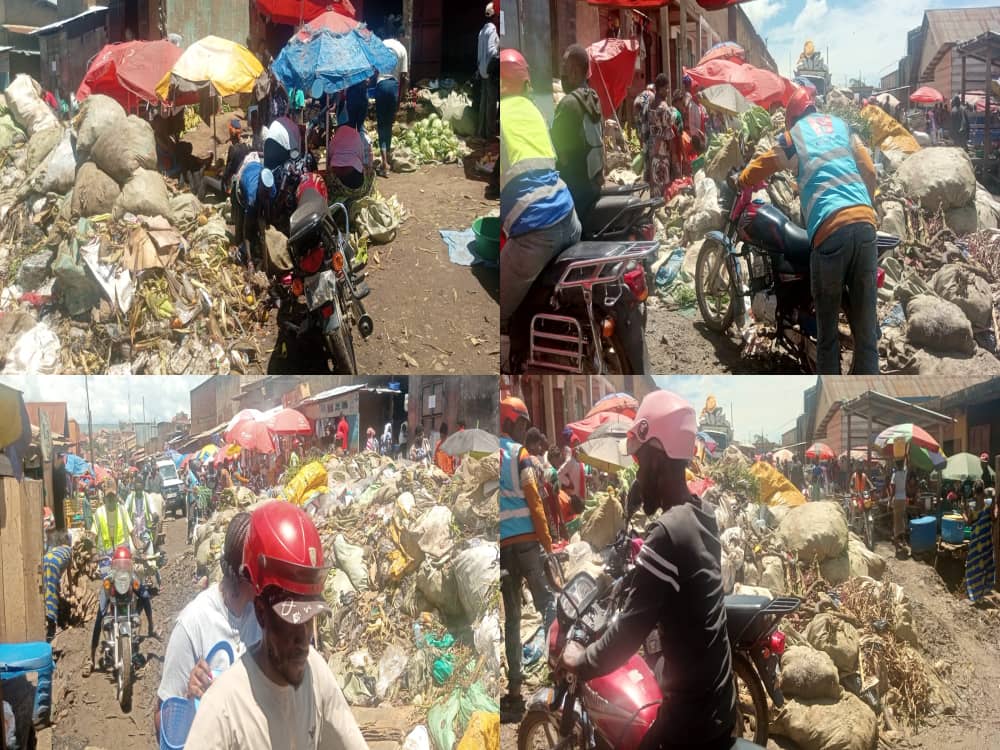
Contacted for comment, Bunia City Hall had not yet issued an official statement regarding the arrangements for collecting the tax or the reported difficulties involving the waste collection vehicle. Attempts by our editorial team to reach the municipal hygiene service also went unanswered. However, sources close to the city administration refer to a partnership with a private operator responsible for sanitation, as well as logistical and fuel supply challenges. The editorial team of naturelcd.net remains available to publish the municipal authorities’ response as soon as it becomes available, in accordance with the principle of the right of reply.
Pending clarification regarding the management of the contributions collected and the effective resumption of waste removal operations, traders at the central market continue to face a situation affecting both their economic activities and their health and safety. For the female vendors, explanations about vehicle breakdowns are no longer sufficient; they want concrete and regular action to remove the waste. This situation once again highlights a fundamental requirement of local governance: any tax collected in the name of a public service must translate into visible, effective and verifiable services that benefit the population.


