
 0
 0
By the Editorial Team
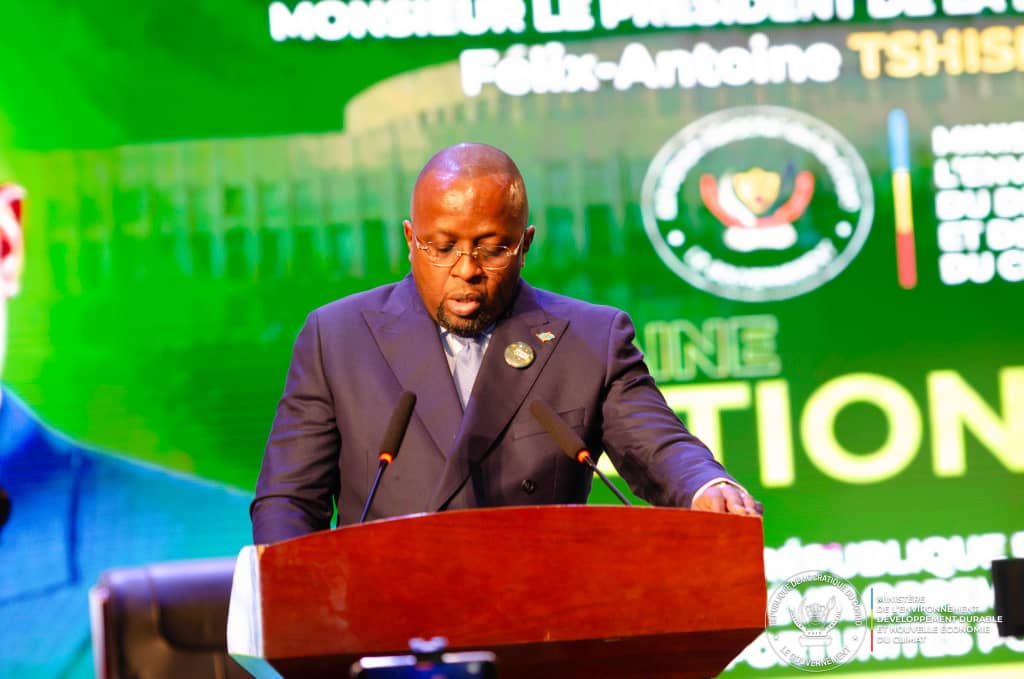
The Democratic Republic of the Congo (DRC) aims to transform its forest resources into a driver of economic development while strengthening efforts to combat deforestation. This ambition was at the centre of a panel discussion on financing mechanisms for the ecological transition, held on Tuesday, October 27, 2026, in Kinshasa, as part of the National Climate Week.
Discussions focused particularly on opportunities to mobilise innovative financing, especially through carbon credits, to support economically viable projects and improve the living conditions of local communities.
FRM Ingénierie: Turning Natural Resources into Bankable Projects
Speaking on behalf of FRM Ingénierie, Jean-Marie Bolika, Project Manager, presented the company’s experience in the DRC, highlighting the conditions required to transform the country’s forest potential into tangible investment opportunities.
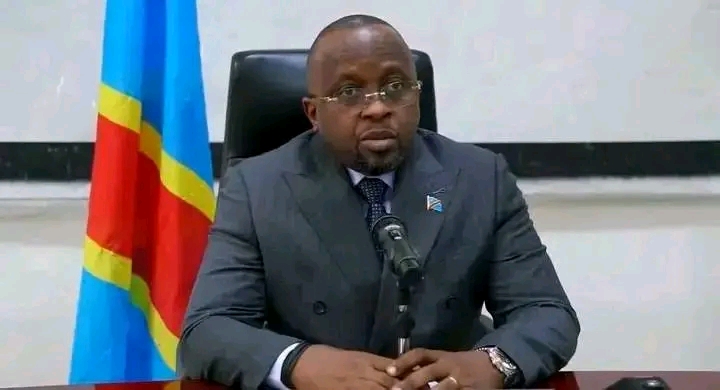
He emphasised the importance of financial transparency, funding traceability and the demonstration of measurable results to build investors’ confidence.
« Financiers need to have a clear picture of measurable results. The national registry ensures the traceability of carbon financing, while beneficiaries receive comprehensive support, particularly in accessing water and basic infrastructure, » he explained.
According to him, mobilising carbon financing also requires rigorous project assessments and proper risk anticipation. Future carbon credits should therefore not be regarded as revenue already secured, but rather as potential resources dependent on verifiable results.
Projects to Reduce Deforestation and Improve Household Incomes
In the DRC, pressure on forests is driven in particular by widespread reliance on wood fuel, against a backdrop of limited access to electricity. Kinshasa sources timber and other wood products from provinces including Mai-Ndombe, Équateur, Kwilu, Kwango and Kongo Central. This demand, combined with shifting slash-and-burn agriculture, is increasing pressure on forest ecosystems.
To address these challenges, FRM Ingénierie, through its Congolese subsidiary FRMI RDC, is implementing several initiatives with the support of financial partners and programmes such as the Central African Forest Initiative (CAFI).
In Mai-Ndombe, an agroforestry project seeks to reconcile the protection of primary forests with the development of income-generating activities. It notably provides for support to 5,000 households involved in the beekeeping value chain, particularly honey production. The objective is to diversify local communities’ sources of income while involving them in forest conservation efforts.
In Kwilu and Ituri Province, interventions focus particularly on supporting small and medium-sized enterprises (SMEs) and developing local value chains, with a view to strengthening economic activities and creating sustainable alternatives to pressure on forest resources.
Another project concerns the reforestation of the Batéké Plateau, particularly in the Bukangalonzo area. This private-sector initiative involves planting tree species intended to promote carbon sequestration, including acacias and oil palms.
« This project was developed particularly around Bukangalonzo. It focuses on carbon sequestration through the planting of trees such as oil palms, acacias and other species. It also incorporates a collaborative management approach that allows communities to harvest timber after seven years, thereby providing a structured local response to the wood-fuel crisis, » Jean-Marie Bolika stated.
Forest Conservation for the Benefit of Local Communities
Beyond reforestation and agroforestry, FRM Ingénierie is also focusing on acquiring forest concessions and converting them into conservation areas. This approach aims to ensure the long-term protection of ecosystems while involving neighbouring communities in their management.
Under this approach, local populations play a central role, particularly through Payments for Environmental Services (PES). This mechanism provides financial compensation to households that participate in tree planting and protection activities.
« Without communities, there are no projects, » the Project Manager stressed, underscoring that public participation is essential to ensuring the long-term sustainability of conservation initiatives.
The reported benefits also extend to improving household living conditions. Among the achievements highlighted are the construction of local markets, the rehabilitation of agricultural feeder roads, support for the construction of sustainable housing and the introduction of cattle farming. These interventions help diversify economic activities and strengthen opportunities for children to attend school.
Carbon Market: A Challenge of Understanding and Transparency
Despite the progress reported on the ground and highlighted, in particular, in documentaries produced by the media outlet Environews RDC, the functioning of the carbon market remains poorly understood by part of the population.
For Jean-Marie Bolika, the success of the transition towards a green economy in the DRC necessarily depends on better public awareness and cooperation between government authorities, the private sector and civil society.
« The transition towards a green economy in the DRC is a long-term process. To succeed, the country is relying on an inclusive, multi-stakeholder approach bringing together the State, the private sector and civil society. The major challenge in the coming months will be to demystify carbon credits by clearly explaining to citizens their origin, how they are generated and the arrangements for the fair distribution of the revenue they generate, » he stated.
roving household living conditions. Among the achievements highlighted are the construction of local markets, the rehabilitation of agricultural feeder roads, support for the construction of sustainable housing and the introduction of cattle farming. These interventions help diversify economic activities and strengthen opportunities for children to attend school.
Carbon Market: A Challenge of Understanding and TransparencyDespite the progress reported on the ground and highlighted, in particular, in documentaries produced by the media outlet Environews RDC, the functioning of the carbon market remains poorly understood by part of the population.For Jean-Marie Bolika, the success of the transition towards a green economy in the DRC necessarily depends on better public awareness and cooperation between government authorities, the private sector and civil society.
« The transition towards a green economy in the DRC is a long-term process. To succeed, the country is relying on an inclusive, multi-stakeholder approach bringing together the State, the private sector and civil society. The major challenge in the coming months will be to demystify carbon credits by clearly explaining to citizens their origin, how they are generated and the arrangements for the fair distribution of the revenue they generate, » he stated.
Through this panel held during National Climate Week, one central question emerges: how can the DRC turn its forest wealth into sustainable economic opportunities while ensuring the protection of ecosystems and delivering tangible benefits to local communities?
The answer lies, in particular, in the quality of projects, transparency in financing, community involvement and the equitable sharing of the economic benefits generated by conservation efforts.


