
 0
 0
By Patrick Mapenzi
The announcement came as a major blow to residents of South Kivu and North Kivu provinces. In an emergency statement released to the public, the Regional Directorate of the National Electricity Company (SNEL S.A.) informed its subscribers in the cities of Bukavu, Goma and surrounding areas that significant disruptions to electricity supply would occur over a four-day period, from Tuesday, November 3, to Friday, November 6, 2026.
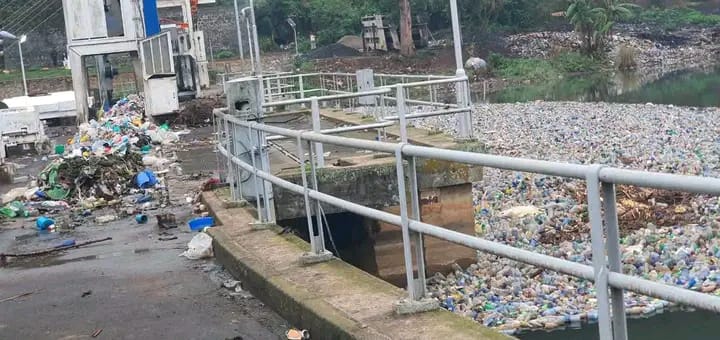
The official reason given is the scheduled technical shutdown for the 1,500-hour periodic maintenance of generating unit No. 3, a turbo-alternator at the Ruzizi I hydroelectric power plant, which has an installed generating capacity of 8 MW.
While SNEL describes the operation as routine maintenance essential to preserving its electricity generation infrastructure, the situation on the ground points to a much deeper and more systemic crisis: the environmental choking of the hydroelectric dam by household and plastic waste generated in the city of Bukavu.
In Bukavu, uncontrolled waste disposal does more than pollute streets and waterways; it directly disrupts the local economy and electricity supply. Tons of plastic bottles, disposable bags and other non-biodegradable materials discarded in drainage channels are carried by torrential rains towards Lake Kivu, eventually accumulating in large quantities around the water intakes of the Ruzizi I and Ruzizi II hydroelectric power plants.
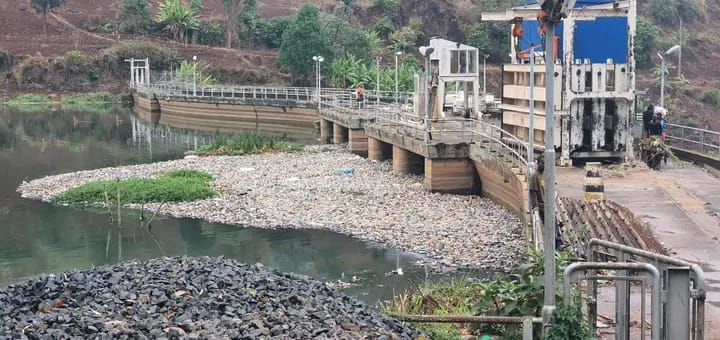
In the absence of an effective municipal waste collection system, tons of plastic and other solid waste are dumped daily into Bukavu’s drainage channels and ravines. During heavy rainfall, surface runoff carries these materials towards the Ruzizi River and Lake Kivu. The resulting masses of plastic form suffocating layers that damage mechanical components, obstruct water flow and pressure, and force frequent technical shutdowns for cleaning and maintenance. This significantly reduces electricity generation, resulting in power cuts affecting households and businesses in both Bukavu and Goma.
Although SNEL’s management hopes to restore normal operations sooner if the work is completed before the end of the four-day period, the dam’s technical teams face a persistent challenge. Water contaminated with micro-debris, combined with the mechanical accumulation of plastic waste, causes premature wear of filtration equipment and reduces the turbines’ normal operating efficiency.
« This is no longer simply a matter of routine maintenance. Unless action is taken to curb the invasion of plastic waste upstream, the Ruzizi power plants will continue operating at reduced capacity, » said a local energy and environmental expert.
As hospitals, small businesses and households prepare to endure four days of darkness or severe power rationing, this technical shutdown serves as a reminder of the urgent need for greater environmental awareness in Bukavu.
- Urban sanitation: The city authorities and provincial government must establish a modern waste management and recycling system.
- Environmental responsibility: Citizens must stop dumping plastic bags and other waste into waterways.
Without a strong response to the growing threat posed by plastic pollution, electricity supply risks becoming increasingly unreliable in the heart of the Kivu region.


