
 0
0
 0
0
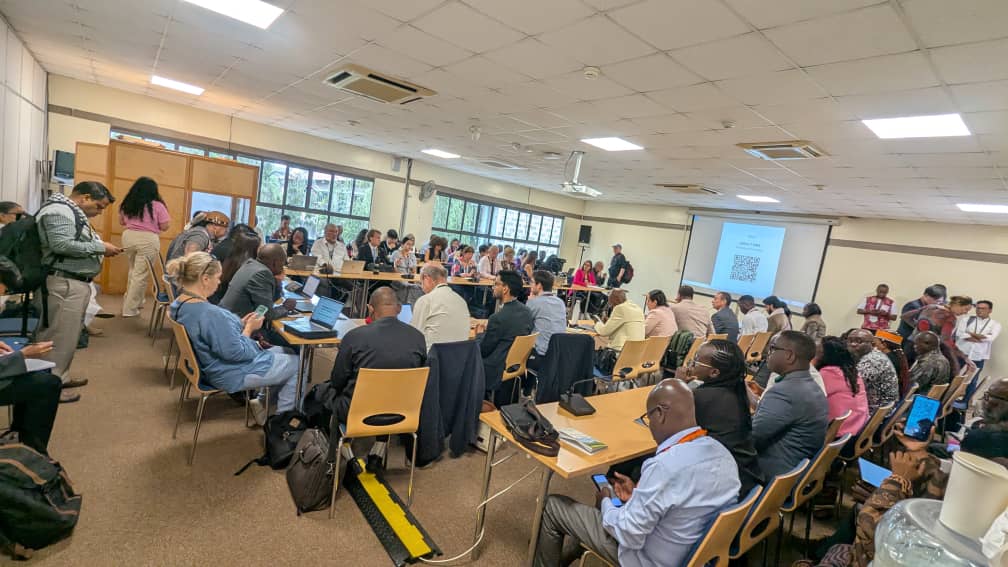
Nairobi, December 2025 — At the seventh session of the United Nations Environment Assembly (UNEA-7), Switzerland has submitted a major draft resolution aimed at reinforcing the global governance of chemicals and waste — a critical component of the international response to the triple planetary crisis of climate change, biodiversity loss, and pollution.
The proposal comes at a time when hazardous substances such as heavy metals, endocrine-disrupting chemicals, persistent pollutants, and industrial waste continue to pose serious risks to public health, ecosystems, and national economies, especially in low- and middle-income countries.
Building on a Strong International Framework
The Swiss draft resolution draws on a series of previous UNEA commitments — Resolutions 1/5, 2/7, 3/7, 4/8, 5/7 and 6/9 — all emphasizing the urgent need to reduce the adverse impacts of chemicals and waste on human health and the environment.
It also underscores the central role of sound chemicals management in achieving the Sustainable Development Goals, including those related to health (SDG 3), clean water (SDG 6), responsible consumption and production (SDG 12), climate action (SDG 13), and the protection of terrestrial and marine ecosystems (SDG 14 and 15).
Rising Global Risks Demand Faster Action
Despite decades of international efforts, major global challenges remain. Heavy metals such as lead, cadmium, and arsenic, along with organotins and a wide range of persistent or emerging chemicals, continue to contaminate water, soil, food chains and consumer products.
Endocrine-disrupting chemicals — increasingly linked to developmental disorders, fertility issues, cancers, and other long-term health impacts — remain insufficiently regulated in many regions.
Switzerland warns that without more decisive action, these threats will continue to escalate, further worsening the interconnected environmental crises already facing the world.
Science at the Heart of Decision-Making
Central to the draft resolution is the need to strengthen the science-policy interface. Switzerland welcomes the establishment of the Intergovernmental Science-Policy Panel on Chemicals, Waste and Pollution, created under UNEA Resolution 5/8, which aims to deliver robust scientific assessments to inform global policy.
The draft also calls for the rapid update of key scientific publications, including the long-overdue new edition of the State of the Science of Endocrine-Disrupting Chemicals, last published in 2012.
Identifying Regional Priorities and Expanding Collaboration
One of the resolution’s main operational elements is a request for UNEP to identify regional and national priorities related to lead, cadmium, arsenic and organotins. This analysis is expected to shed light on shared challenges and region-specific realities, providing a more targeted approach to future interventions.
The resolution also encourages Member States to become active members of the new scientific panel and support its effective operationalization.
Switzerland highlights the urgent need for additional and predictable financial resources to scale up action on chemicals and waste.The
The draft resolution invites: member States, international financial institutions, the private sector, and other stakeholders to increase contributions, particularly through mechanisms such as the Special Programme for institutional strengthening and the new Global Framework on Chemicals – for a Planet Free of Harm from Chemicals and Waste.
Switzerland further urges the Global Environment Facility (GEF) — currently undergoing its ninth replenishment cycle — to place greater emphasis on chemicals and waste management, recognizing the GEF’s key role in supporting the implementation of the Basel, Rotterdam, Stockholm and Minamata Conventions.
Strengthening Synergies Across Global Conventions
The draft resolution emphasizes improved coordination across the major international agreements governing chemicals and waste — including the Basel, Rotterdam, Stockholm and Minamata Conventions. Improving these synergies, the text argues, will enhance global effectiveness while avoiding duplication of efforts.
UNEP is encouraged to work closely with convention secretariats and relevant organizations to promote this collaboration.
Setting the Stage for UNEA-8
Finally, the resolution requests the UNEP Executive Director to report back to UNEA-8 on the implementation of all proposed measures. This reporting will serve as a key moment to evaluate progress and identify areas requiring additional action.
A Significant Step Toward Global Chemical Safety
For many observers, Switzerland’s proposal marks an ambitious and timely effort to accelerate global action on hazardous chemicals and waste. It aligns scientific evidence, financial mobilization, and international coordination — three pillars essential to reducing chemical-related harm worldwide.
As UNEA-7 continues in Nairobi, this draft resolution offers an opportunity for Member States to strengthen their collective response to one of the most pressing environmental and public health challenges of our time.


