
 0
 0
By Denise Kyalwahi
The Democratic Republic of the Congo (DRC) is seeking to strengthen its position in the global fight against climate change. On Tuesday, November 10, 2026, the country officially inaugurated its pavilion, named “DRC – Country-Solutions,” on the sidelines of the 31st Conference of the Parties on Climate Change (COP31), currently taking place in Antalya, Türkiye.
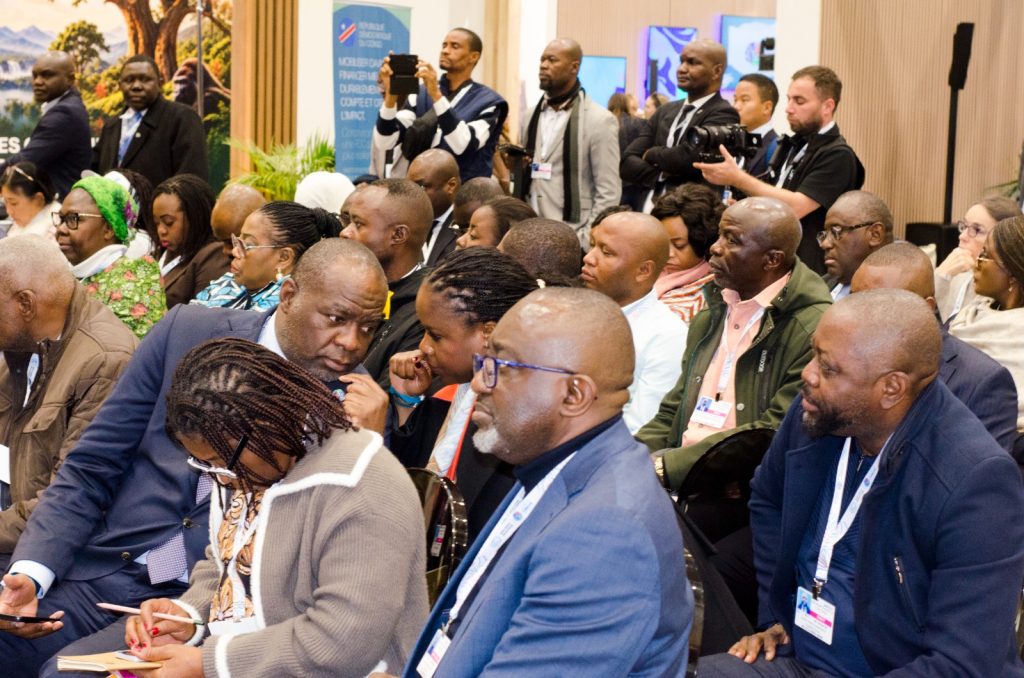
The inauguration ceremony was presided over by the Minister of Environment, Sustainable Development and the New Climate Economy, Professor Marie Nyange Ndambo. The opening provided an opportunity to highlight the DRC’s ecological assets and explore ways of turning them into economic opportunities that benefit the population.
Through this initiative, Kinshasa aims to go beyond showcasing its natural resources and promote their contribution to global responses to the climate crisis. The country is home to vast tropical forests, peatlands capable of storing significant amounts of carbon, remarkable biodiversity and considerable renewable energy potential.
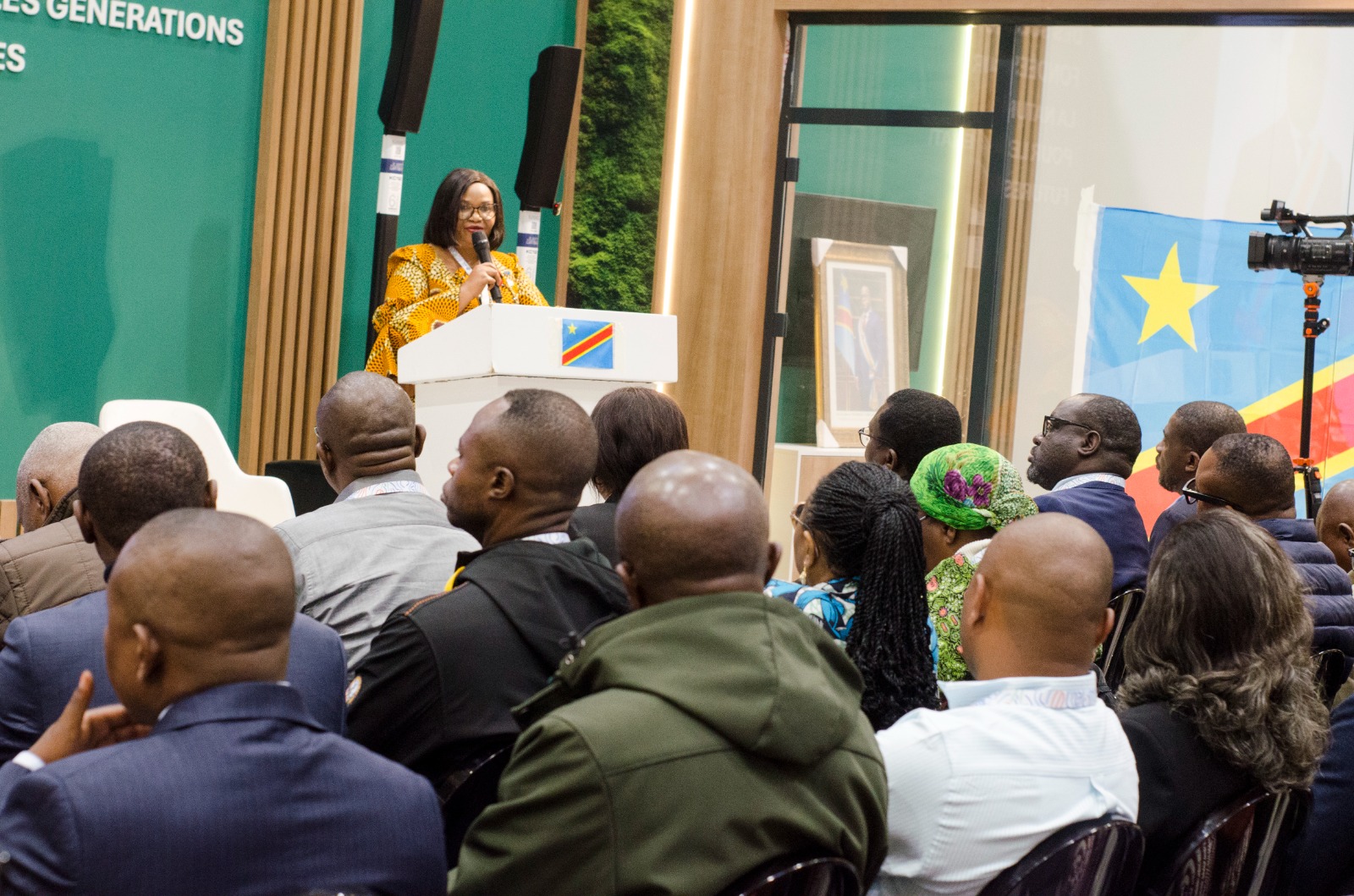
For the Congolese authorities, these resources represent a strategic asset for developing a sustainable economy, creating green jobs and improving the living conditions of local communities and Indigenous Peoples.
During the inauguration, the Congolese delegation emphasized the need for stronger international cooperation in addressing the climate emergency. It particularly called for the principles of solidarity and shared responsibility to be translated into concrete commitments and actions.
The “Lumière” Carbon Registry at the Centre of Presentations
One of the key initiatives announced during the inauguration is the presentation of the DRC’s national carbon registry, known as “Lumière,” during COP31.
This instrument aims to strengthen transparency in monitoring carbon-related initiatives and facilitate the mobilization of funding from international partners, financial institutions and private investors.
Through this mechanism, the DRC hopes to attract greater investment in ecosystem protection and the development of climate projects. Its stated ambition is to turn its natural capital into a source of economic and social development while contributing to global climate stability.
A Platform for Dialogue on the Congo Basin Forests
The Congolese pavilion will also serve as a platform for political, technical and economic discussions. Several side events are scheduled with partners, including the Central African Forests Commission (COMIFAC), the Economic Community of Central African States (ECCAS), the Central African Forest Initiative (CAFI) and the World Wide Fund for Nature (WWF).
The DRC also intends to highlight its role as co-facilitator of the Congo Basin Forest Partnership (CBFP) for the 2026–2028 period.
In this capacity, the country aims to contribute to the implementation of the Belém Call to Action, particularly through initiatives focused on forest landscape conservation and restoration.
Through this pavilion, Kinshasa seeks to secure greater recognition of the strategic role played by the Congo Basin forests in regulating the global climate, while promoting an approach that combines environmental protection, sustainable investment and economic benefits for local communities.


