
 0
0
 0
0
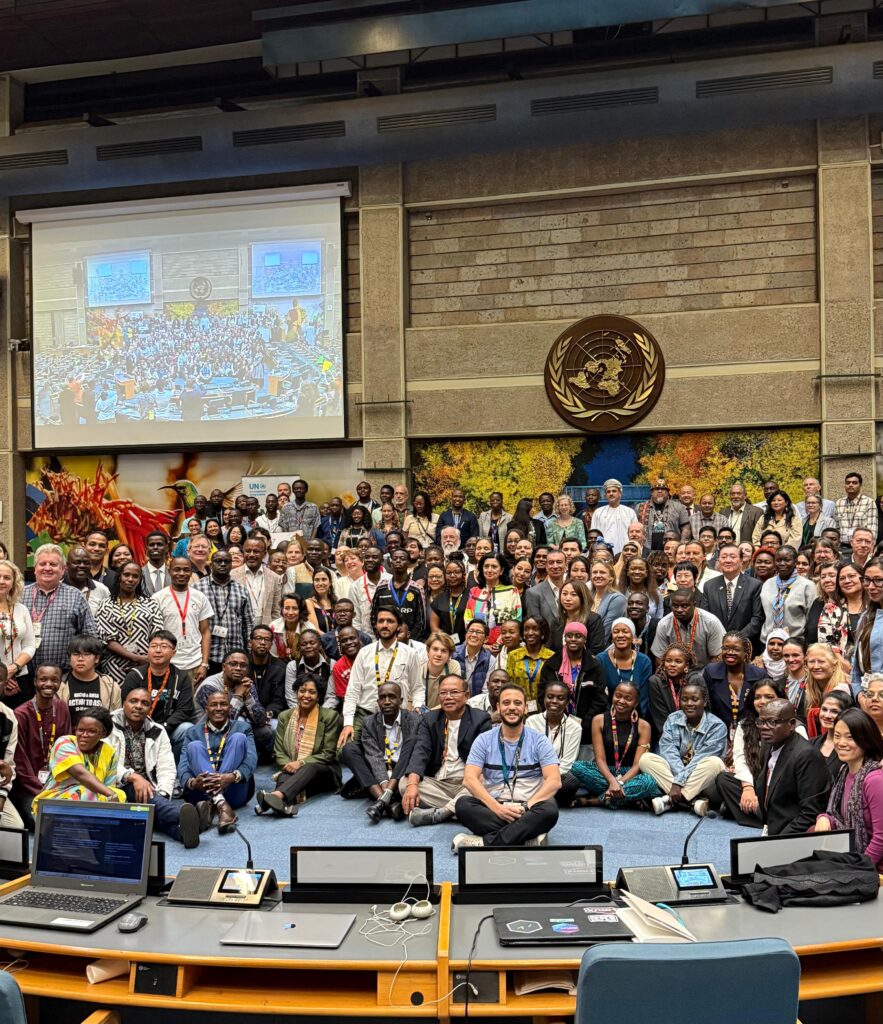
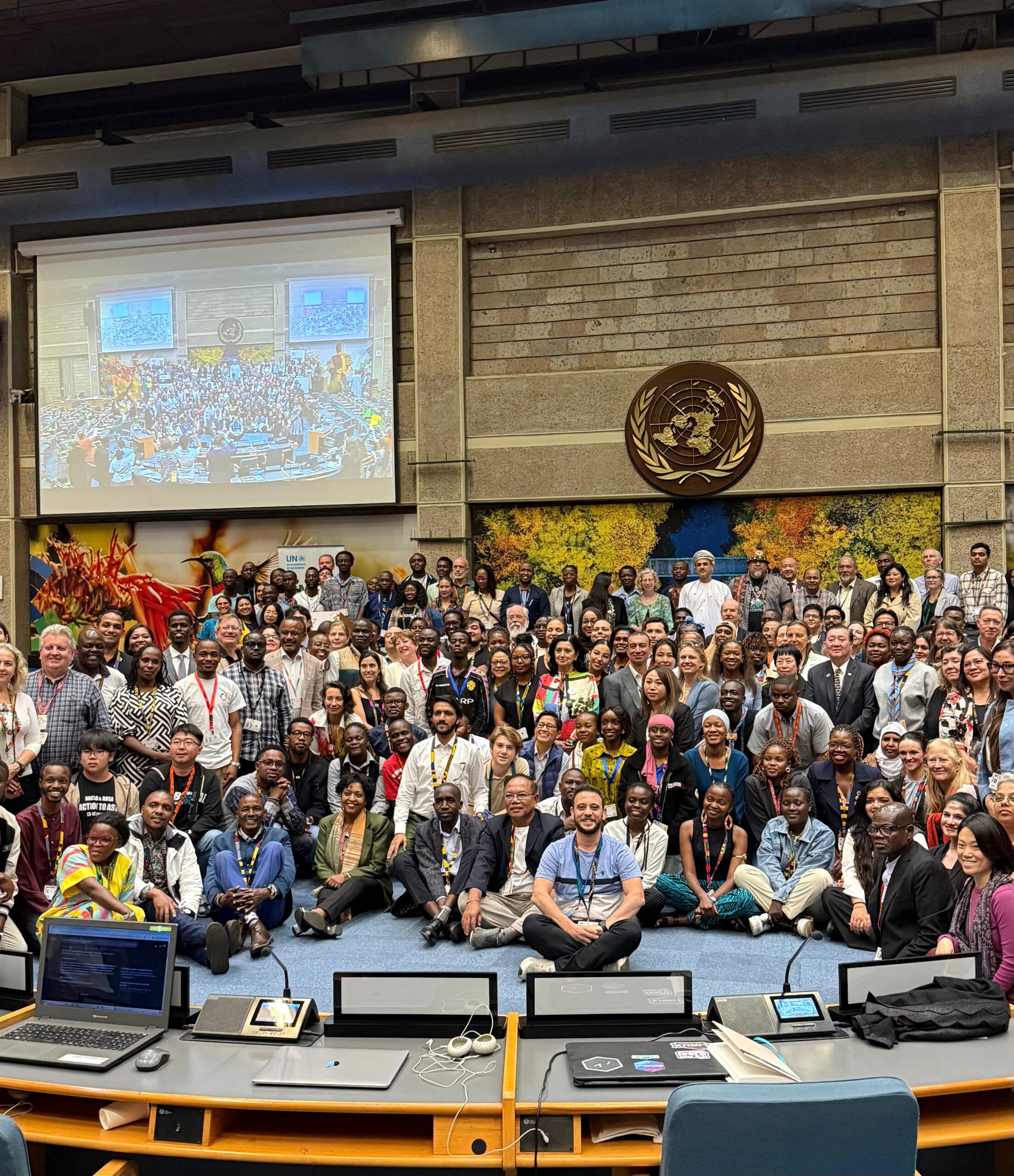
The seventh session of the United Nations Environment Assembly (UNEA-7) opened today in Nairobi, 8 December 2025, bringing together an unprecedented diversity of global actors — Environment Ministers, intergovernmental organizations, UN agencies, civil society, youth delegates, scientists, and private sector leaders. Their shared mission: to advance multilateral solutions for a resilient planet at a time when environmental pressures are deepening worldwide.
With its 193 Member States, UNEA remains the world’s highest decision-making body on environmental matters. Every two years, it sets the strategic direction of global environmental governance and guides the work of the UN Environment Programme (UNEP), headquartered here in Nairobi.
A Decisive Moment for Global Environmental Action
In his opening address, H. E. Abdullah Bin Ali Al-Amri, President of UNEA-7 and head of the Environment Authority of Oman, emphasized the collective responsibility facing nations at this critical juncture.
“Today we reaffirm our shared responsibility: to turn our determination into tangible results for people, ecosystems, and the stability of our planet.”
He warned of accelerating crises — climate change, biodiversity loss, land degradation, pollution — that are eroding not only economies but also the trust that binds nations together.
“Our success will depend not only on the outcomes we adopt, but on how we reach them: through transparency, compromise, and inclusiveness.”
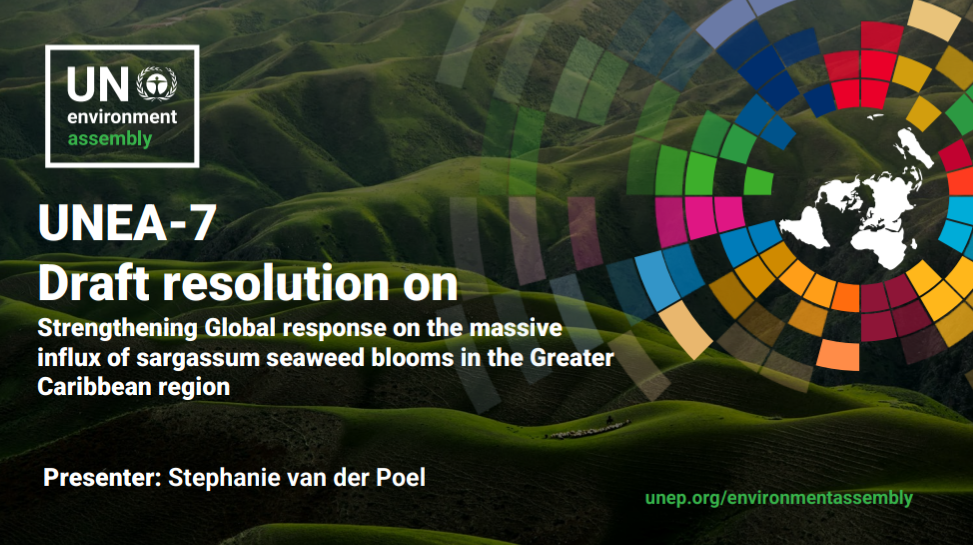
15 Draft Resolutions Under Negotiation – With Key Implications for Africa
Delegates are negotiating 15 draft resolutions addressing emerging global threats, including:
the rapid loss of glaciers,
the massive spread of sargassum seaweed,
the environmental footprint of artificial intelligence.
Though not legally binding, UNEA resolutions often pave the way for landmark international agreements — and for Africa, these negotiations carry significant weight.
For the Democratic Republic of Congo (DRC) and Central Africa, several resolutions directly touch on regional priorities: forest conservation in the Congo Basin, management of land degradation in conflict-affected areas, and responses to climate-related disasters such as floods, droughts, and water scarcity.
A Worsening Ecological Crisis, UNEP Warns
UNEP Executive Director Inger Andersen delivered a stark warning:
“Global temperatures are likely to exceed 1.5°C within the next decade, and every fraction of a degree brings escalating consequences.”
She highlighted the intensifying loss of ecosystems, more frequent dust storms, and persistent pollution contaminating air, water, and soil.
“In these turbulent geopolitical times, our collective resolve is more crucial than ever.”
A Reality Already Felt in the DRC and Central Africa
The DRC and its neighbors are already experiencing those consequences:
repeated floods in Kinshasa, Lubumbashi, Bukavu and Kisangani,
worsening droughts in Haut-Katanga and Tanganyika, degradation of farmlands caused by deforestation and conflict, increased waterborne diseases and pollution of major rivers, the growing threat to the Congo Basin rainforest, the world’s second-largest carbon sink.
For communities in Central Africa, UNEP’s warning is not abstract — it reflects a daily struggle for survival.
Youth at the Frontline: A Global Movement With Implications for Congolese Youth
UNEA-7 was preceded by the Youth Environment Assembly, which brought together more than 1,000 youth delegates from around the world. They issued a Global Youth Declaration calling for stronger climate justice, transparency, and inclusive governance.
Young activists from the DRC and Central Africa have played a growing role in global climate debates, advocating for: protection of the Congo Basin forests, climate education for communities,stop by ecocide, stronger accountability from extractive industries, solutions to displacement linked to climate change and armed conflict.
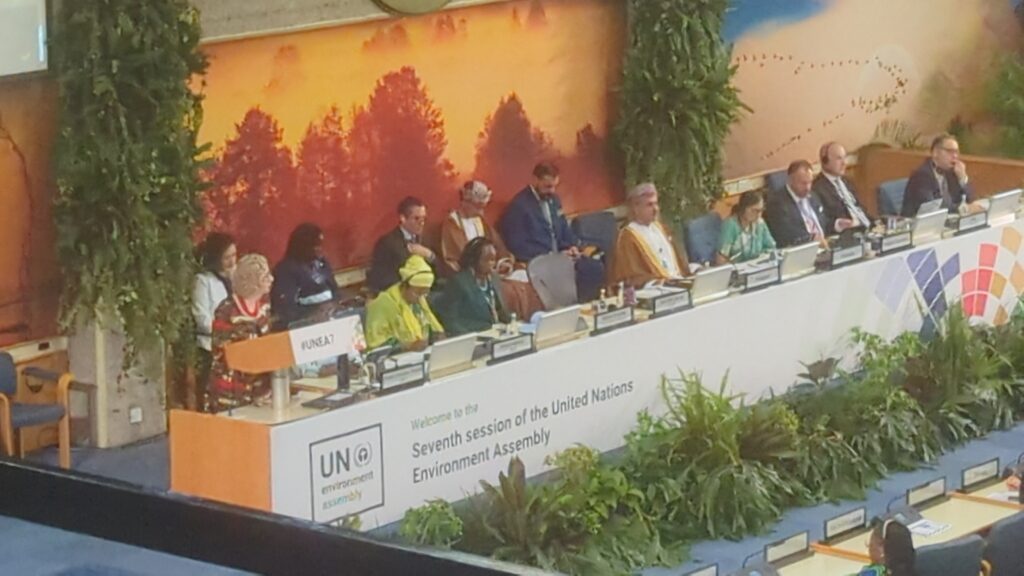
UNEA-7 provides them a platform to amplify these demands. A High-Level Agenda With Direct Relevance for Africa ,throughout the week, high-level sessions will examine how environmental sustainability intersects with three critical sectors: global industry, finance and resource mobilization, public health.
UNEP will also launch:
GEO-7, the world’s most comprehensive global environmental assessment,
Champions of the Earth 2025, honoring innovation and leadership in environmental protection.
These outcomes are expected to influence long-term decisions across Africa, where sustainable finance, green industrialization, and health resilience remain top priorities.
Kenya Calls for Stronger Global Partnerships — A Message That Resonates in Central Africa. Kenya’s Cabinet Secretary for Environment, Climate Change and Forestry, Dr. Deborah Mlongo Barasa, stressed the urgency of collective action:
“A resilient planet means inclusive societies, an economy that respects nature’s limits, and sustainable resource management. Partnership is no longer optional — it is essential.”
This call echoes loudly in the DRC and Central Africa, where governments, local communities, journalists, scientists, and civil society groups are seeking stronger collaborations to: protect the Congo Basin, prevent environmental conflicts, ended the ecocid, support local climate adaptation, strengthen early-warning systems for disasters, ensure equitable access to climate finance.
A Record Participation Under the Theme: “Advancing Sustainable Solutions for a Resilient Planet”
UNEA-7 brings together over 6,000 participants from 180 countries, including 79 ministers and 35 vice-ministers.
For the DRC and Central Africa, this Assembly represents a crucial opportunity:
To push for greater recognition of the region’s global ecological importance,
To advocate for fair financing for adaptation and forest conservation,
To highlight the lived realities of communities facing environmental crises,
And to ensure that African voices shape the decisions that will define the planet’s future.


