

 0
0
 0
0
Kivu–Kinshasa Green Corridor: Young Climate Activists See a Path Toward a Greener and More Inclusive DRC
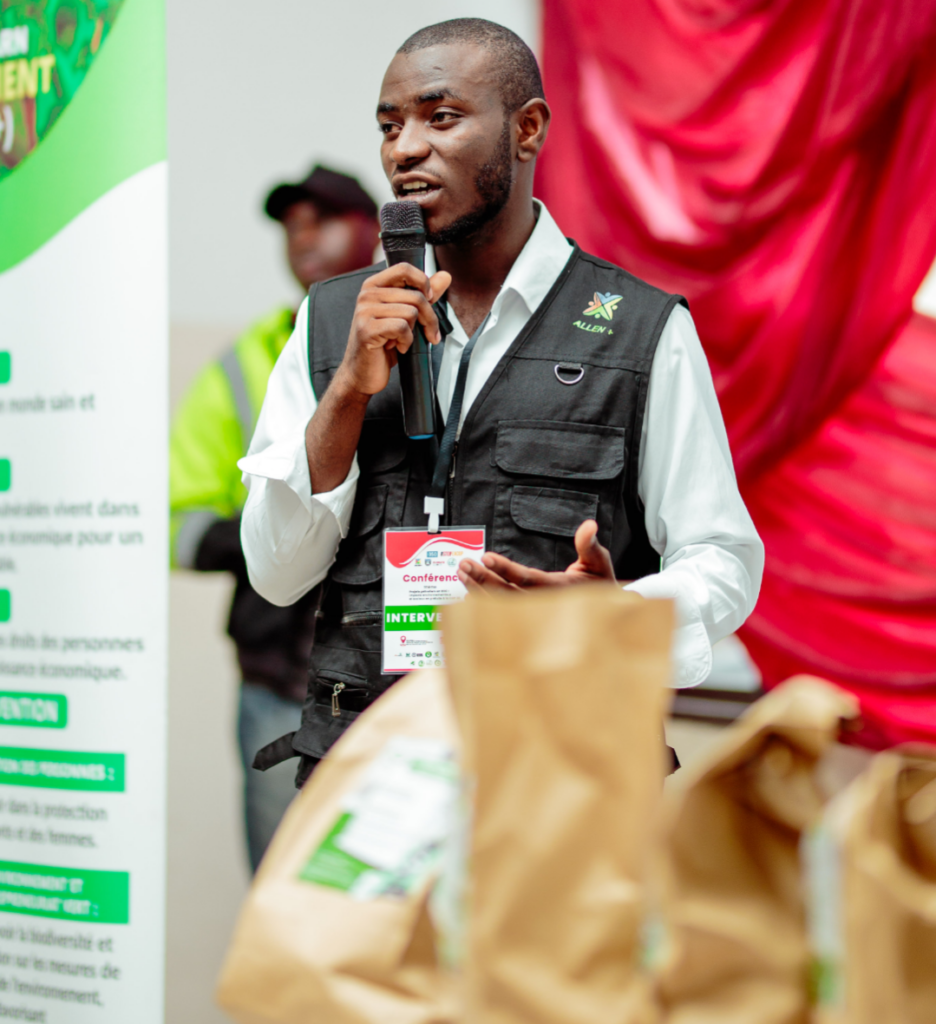
The launch of the “Kivu–Kinshasa Green Corridor” by Congolese authorities marks a major milestone in the Democratic Republic of Congo’s environmental history. Presented as the world’s largest protected tropical forest reserve, this unprecedented initiative aims not only to safeguard the Congo Basin but also to open new economic and social opportunities for the country. For young climate activists, represented by Jacques Bashonga, the project offers a historic chance to build a greener and more inclusive DRC.
President Félix Tshisekedi described the project as a direct response to the global climate emergency. Covering 550,000 km², including 285,000 km² of primary forest and 60,000 km² of intact peatlands, the Green Corridor could become one of the world’s largest tropical carbon sinks. The government has announced a USD 1 billion investment over the next three to four years. Key expected benefits include the annual transfer of one million tons of agricultural products from the Kivu provinces to Kinshasa and the establishment of a Renewable Energy, Agriculture, and Logistics Fund.
For Jacques Bashonga, national coordinator of young climate activists, this megaproject is a major turning point. Inspired by the success of Virunga National Park, the Green Corridor represents a new opportunity to protect and promote Congo’s biodiversity. According to him, it also carries the potential to become a powerful driver of economic growth through sustainable agriculture, rural entrepreneurship, and job creation.
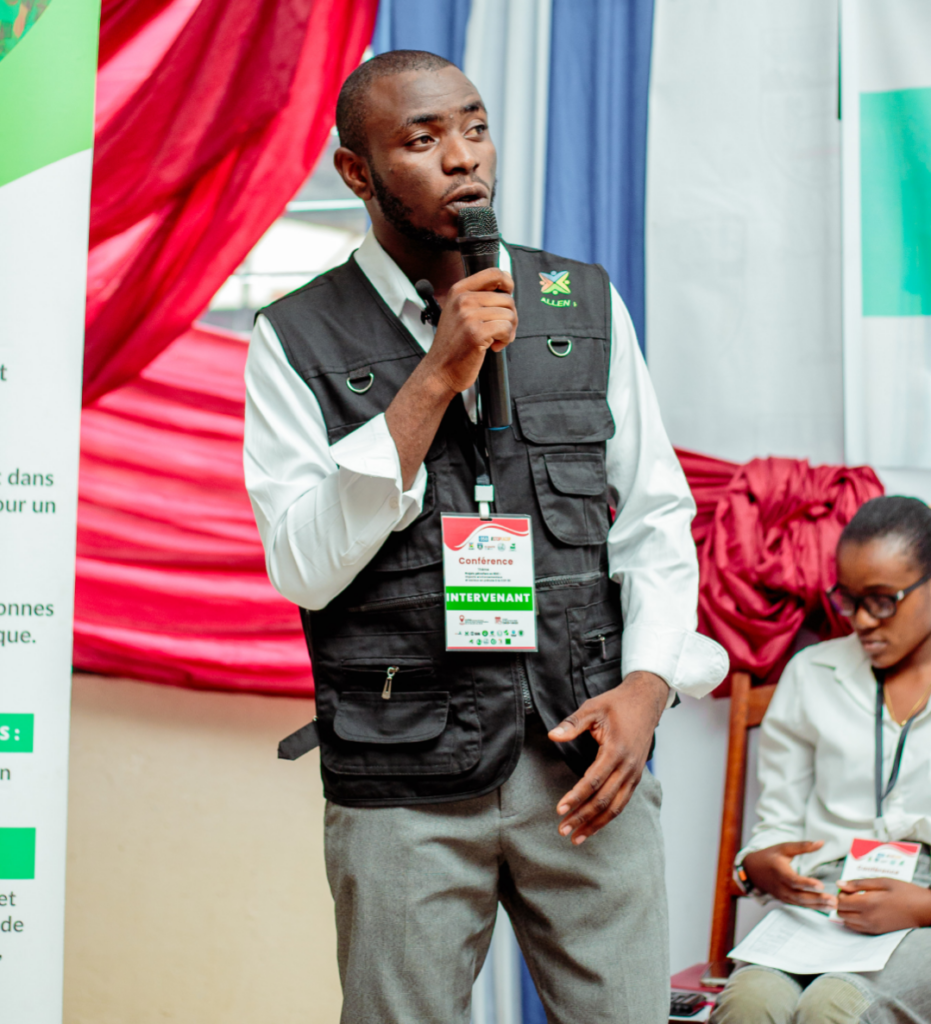
Bashonga emphasizes the project’s social dimension. “Congolese youth can benefit from large-scale job opportunities through ecosystem restoration activities,” he says. Women engaged in subsistence farming could also see direct improvements in their livelihoods. For Indigenous peoples, long marginalized, the initiative could offer a path toward fuller integration into the national green economy.
He believes the Green Corridor finally marks the moment when the DRC moves “from words to concrete action” on climate issues. The country is positioning itself as a “solution nation”, ready to showcase its biodiversity and restore damaged ecosystems. However, he stresses that the project will only achieve its full impact if youth and local communities are meaningfully involved.
Despite his optimism, Bashonga warns of several obstacles. Insufficient infrastructure could hinder food transport and logistical operations. Risks of poor governance and lack of transparency could prevent local populations from benefiting from the initiative, allowing elites to capture the gains. He calls for regular and direct collaboration between project teams and the communities concerned.
Another major concern is the government’s ongoing plan to auction 52 oil blocks and 3 gas blocks. According to Bashonga, these extractive projects could jeopardize more than 60% of the Green Corridor, endanger fragile ecosystems, and threaten the survival of nearby communities. He reminds the public that these communities have historically suffered the environmental impacts of extractive industries without receiving any of the economic benefits.
To ensure the project’s success, he recommends establishing regular community consultations and involving grassroots organizations that are often overlooked in public funding. He also underscores the importance of strong monitoring mechanisms to guarantee the long-term sustainability of the initiative and prevent it from being abandoned like previous projects.
Bashonga sees carbon credits as a promising avenue for financing long-term conservation and strengthening the DRC’s position as a key player in the global climate response. Engaging young people in community awareness campaigns will be crucial to ensuring local ownership and long-term commitment.
Ultimately, Jacques Bashonga views the Kivu–Kinshasa Green Corridor as a historic opportunity—a project capable of transforming Congo’s ecological wealth into a catalyst for inclusive development. But its success, he warns, will depend on transparency, inclusion, and the government’s capacity to ensure its continuity.
Emmanuel Kasereka bin Vikingi


