
 0
 0
By Emmanuel Kasereka bin Vikingi
Behind the colours that brighten the walls of homes may lie a contaminant with long-lasting consequences for human health. Found in certain paints, lead exposes populations to poisoning that is often difficult to detect but can affect several vital functions of the human body. This issue was examined on Tuesday, November 3, 2026, during an online capacity-building session organised by Solidarité Enfants SOPRODE for media professionals from Goma and Bukavu. The initiative is part of preparations for a communication campaign on the risks associated with lead in paint in the eastern Democratic Republic of the Congo. A reporter from Naturelcd.net also took part in the training.
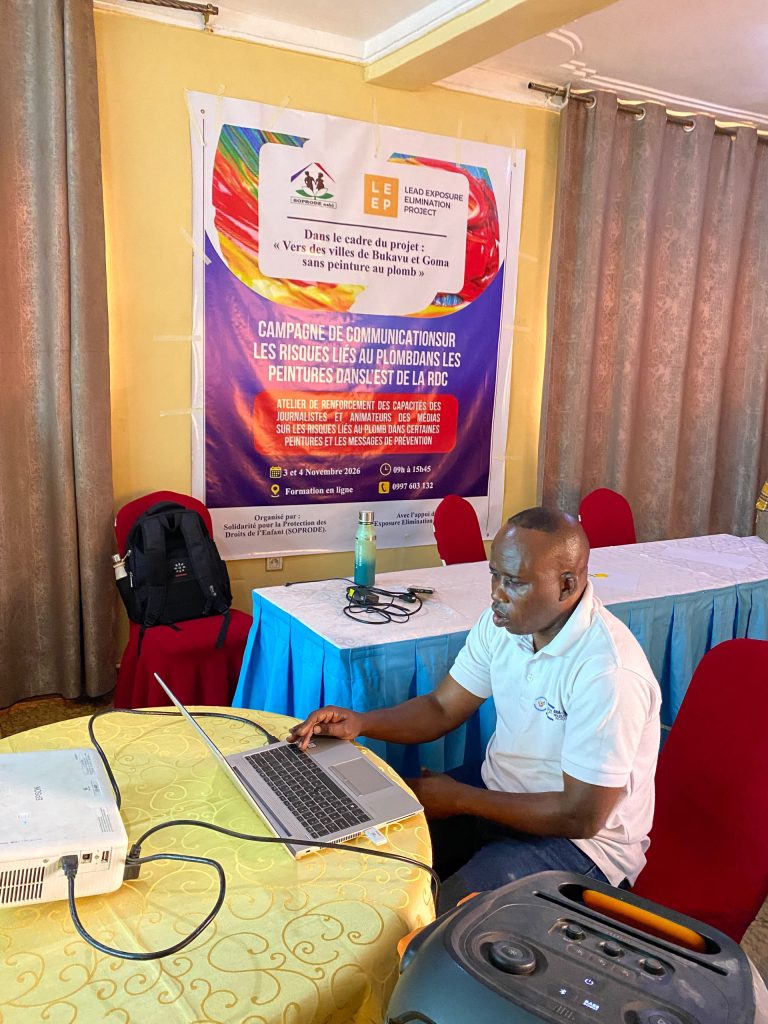
To help participants understand the mechanisms behind this contamination, Nyebone Faustin, a specialist in chemistry and health and coordinator of the AICED organisation, outlined the main characteristics of lead compounds used in the paint industry. Their use serves several technical purposes: enhancing the gloss of coatings, improving their resistance to weather conditions and corrosion, accelerating drying, and reducing production costs. The compounds mentioned included lead carbonate, particularly associated with white pigments; lead chromate, used for certain yellow shades; as well as oxides and other compounds incorporated into anti-rust paints. These properties help explain their industrial use, but their health and environmental consequences call for increased vigilance.
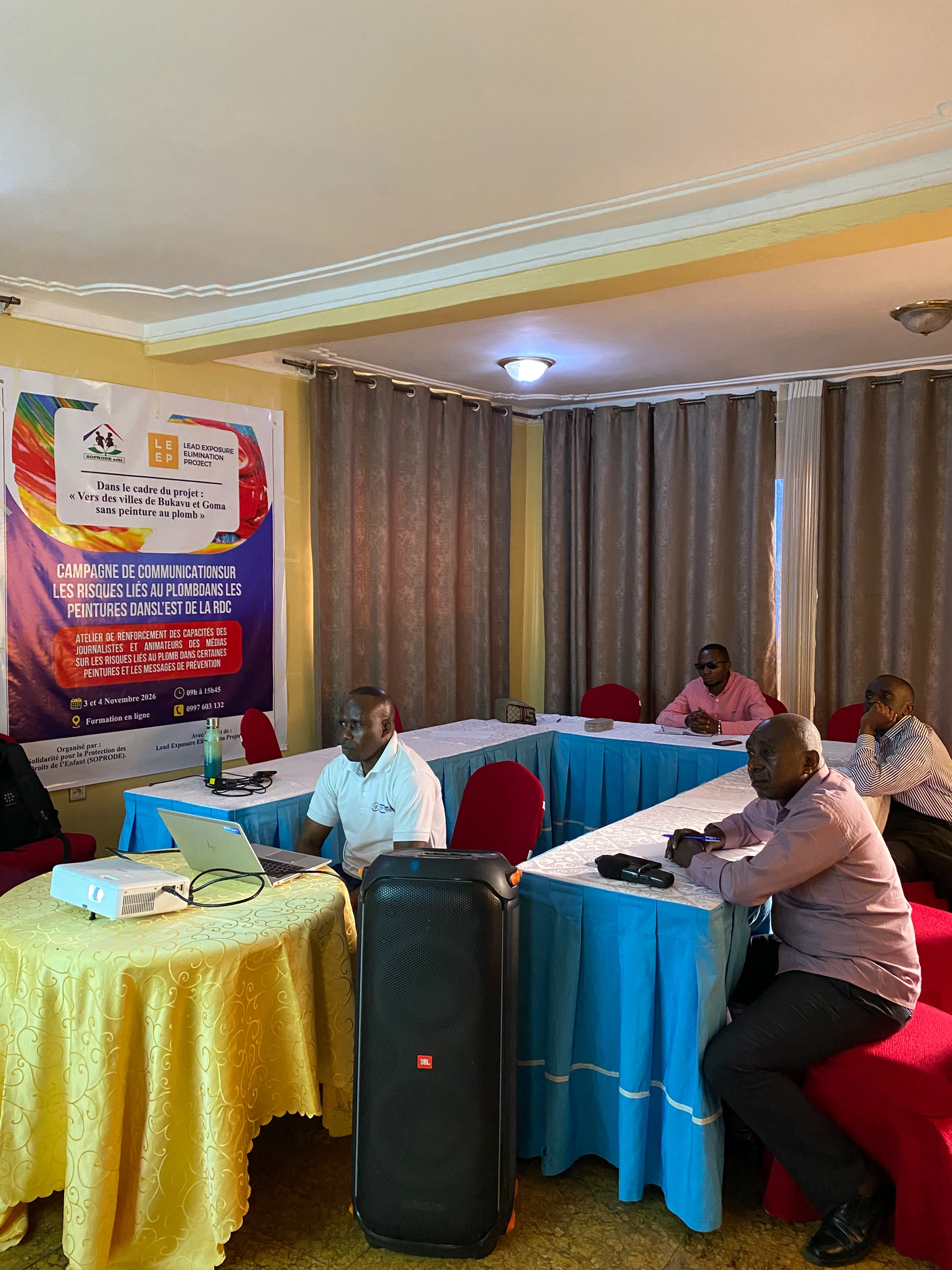
The danger, however, does not end when the paint is applied. It can persist long after painting work has been completed, particularly as coatings age, crack or peel away from walls. The resulting flakes and dust can contaminate floors and household surfaces. Young children are especially vulnerable when they put contaminated hands or toys into their mouths. Everyday household activities can also contribute to exposure, including handling food after touching contaminated dust, cleaning rooms without appropriate precautions, or breathing in particles released into the air during sweeping. Sanding, scraping and spray-painting activities are additional sources of exposure for painters and other workers. At the environmental level, paint residues can accumulate in soil and be carried by rainwater runoff into rivers and lakes.
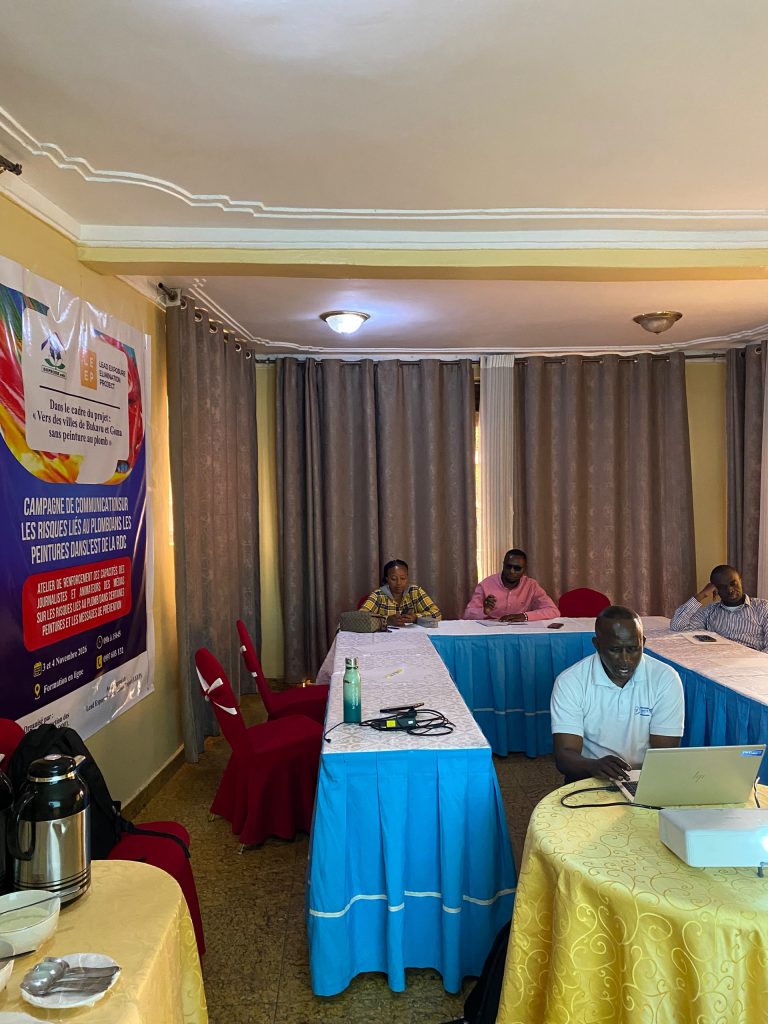
Beyond its invisible nature, lead is particularly dangerous because of its ability to disrupt several biological systems. During his presentation, Nyebone Faustin explained that lead poisoning, known as saturnism when it occurs in acute or chronic forms, can affect the nervous system, blood production, the kidneys and the reproductive system. Lead interferes with essential biological processes and can disrupt haemoglobin production, thereby contributing to anaemia. Its effects on the nervous system are particularly concerning in children, whose brains are still developing. Exposure may lead to learning difficulties, memory problems and reduced cognitive abilities. The specialist also pointed out that lead can accumulate in the bones for many years before gradually being released back into the body.
Pregnancy is another period of particular vulnerability. Lead stored in the mother’s body can cross the placenta and reach the foetus, exposing it to harmful effects on its development. Pregnant women themselves may also face health risks, while exposure can interfere with hormonal and reproductive functions. Professional painters are also among the most exposed groups because of repeated handling of paint products and prolonged contact with contaminated dust. The lack of protective equipment, contaminated hands, work clothes brought home and poor hygiene practices can turn the workplace into a source of exposure for entire families. According to the speaker, nutritional deficiencies, particularly in iron and calcium, may also increase the amount of lead absorbed by the body.
However, vulnerability to lead poisoning is not determined solely by age or occupation. It is also closely linked to living conditions and socio-economic inequalities. Low-income households may have little choice but to live in older homes where paint is deteriorating, without having the financial means to arrange proper decontamination. Their exposure may be compounded by living near dumpsites where plastic waste and batteries are burned, as well as by limited access to a diet sufficiently rich in iron and calcium. Preventive measures include limiting contact with lead-based paints, handling old paint coatings safely, improving hygiene practices and using appropriate protective equipment. Monitoring paints placed on the market and choosing products that comply with safety standards are also essential measures.
By bringing media professionals together around this issue, Solidarité Enfants SOPRODE aims to make information an effective tool for health and environmental protection. Strengthening journalists’ knowledge of contamination sources, the consequences of lead poisoning and available preventive measures is an important step ahead of the planned communication campaign in eastern DR Congo. This issue highlights the need to pay greater attention to forms of pollution that can take hold in people’s living environments without being immediately visible. Behind a freshly painted wall or an ageing coating that is beginning to peel, a health hazard may persist and threaten communities over the long term, particularly children.


