
 0
0
 0
0
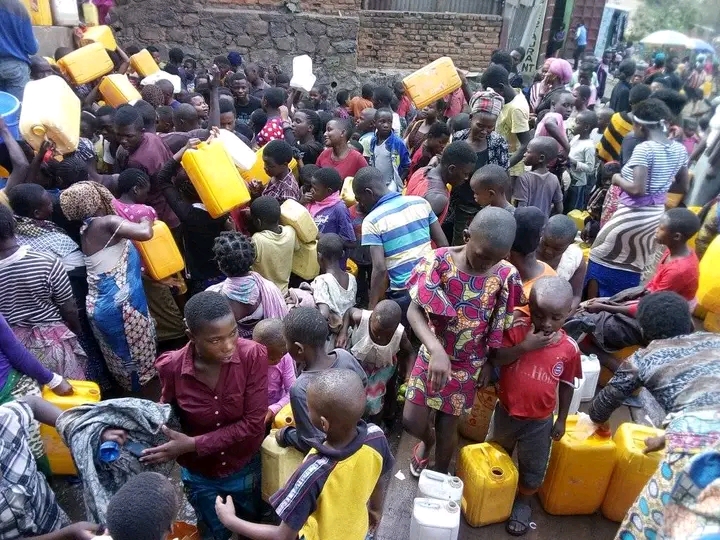
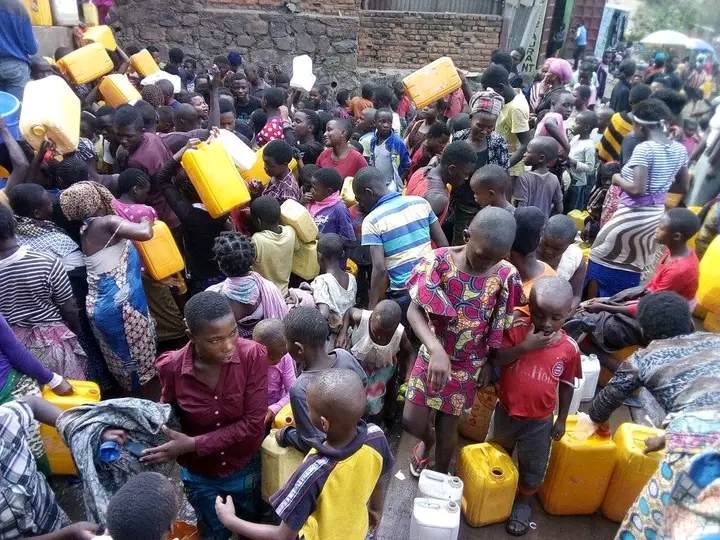
In Idjwi, in the Ntambuka chiefdom of South Kivu, thousands of residents of Nyakalengwa have been without access to safe drinking water for the past two months. Civil society is raising the alarm: waterborne diseases are looming, and families are on the brink in the villages of Kilala, Mulamba, Mazina Karama, and part of Muhungwe.
Hermando Zabona, President of Civil Society in the Nyakalengwa grouping, sounds the warning:
“The population risks suffering from waterborne diseases due to the mismanagement of the water supply committee. For two months now, residents of these villages have had no access to drinking water, while private connections operate 24 hours a day. We have contacted the managers with advice and concerns, but without success.”
Zabona is calling for a radical change:
“We want to entrust the management of this water system to the Grouping Development Committee (GDC), with the involvement of the grouping chief, who is too often ignored in decision-making. The population is suffering greatly and has nowhere left to find water…”
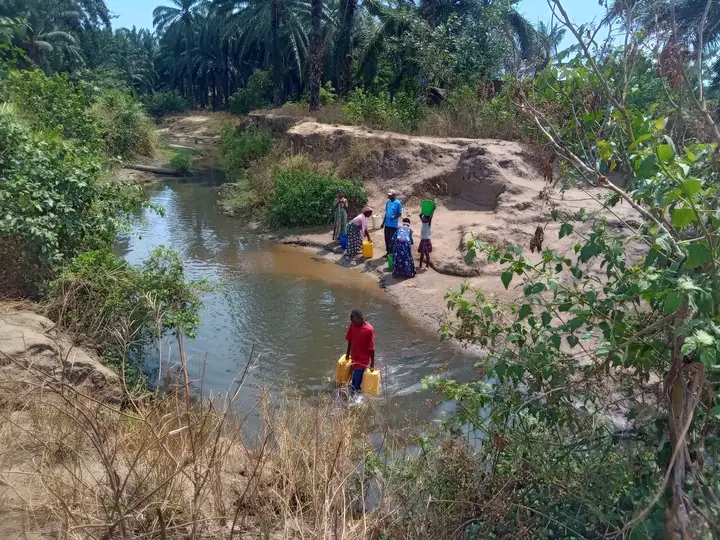
This crisis exposes thousands of people to serious health risks: diarrhea, cholera, typhoid fever, and more. Water from Lake Kivu—their only alternative—is often contaminated. The water committee, for its part, cites overpopulation and technical breakdowns as the main causes.
The President of the Nyakalengwa Water Supply Committee, Mr. Cabwenemwami Mwitaba, paints a bleak picture:
“The water system, built in 2025, has never been upgraded despite the rapid population growth in the area over the past 20 years. Added to this are recurring technical problems.”
He also points to local priorities:
“Providing daily water to the Nyakalengwa health center and other facilities causes interruptions at public standpipes.”
But for Zabona, this reeks of favoritism:
“Private individuals are connected with complacency, while villages are dying of thirst.”
This shortage is not an accident, but the result of poor governance. Civil society is demanding a swift transition of management to the GDC to ensure transparent and inclusive oversight.
Authorities in South Kivu and the Idjwi territory must intervene: audits, repairs, and reinforcement of infrastructure are urgently needed. Without immediate action, thirst could well turn into a public health tragedy.
Patrick Mapenzi


